Technique ·
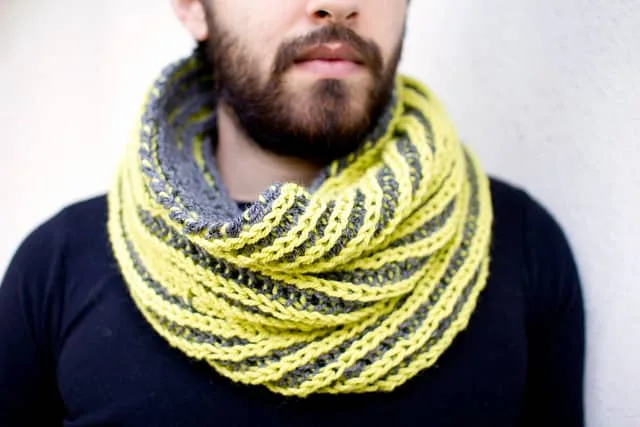
The secret to mastering 2-Color Brioche Knitting
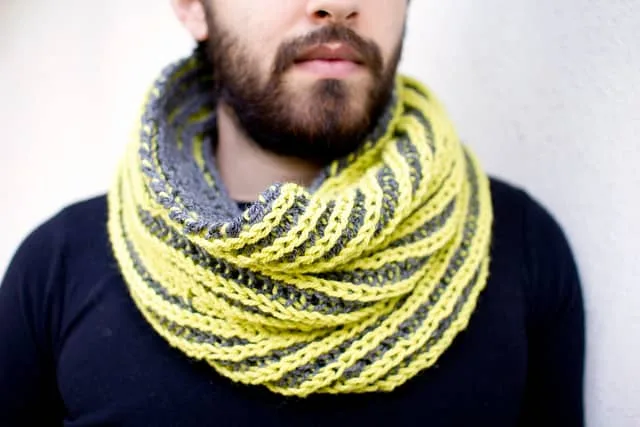
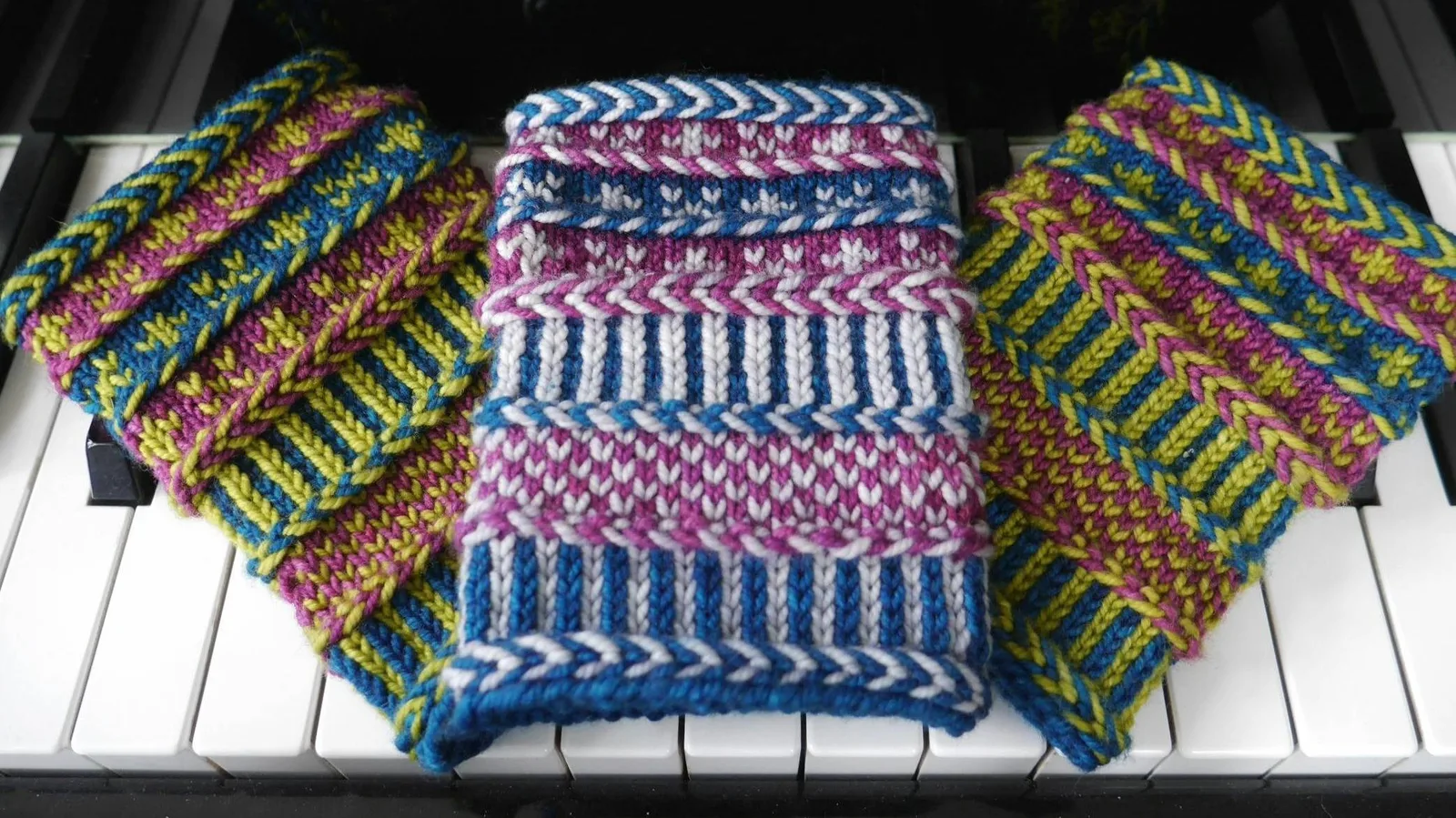
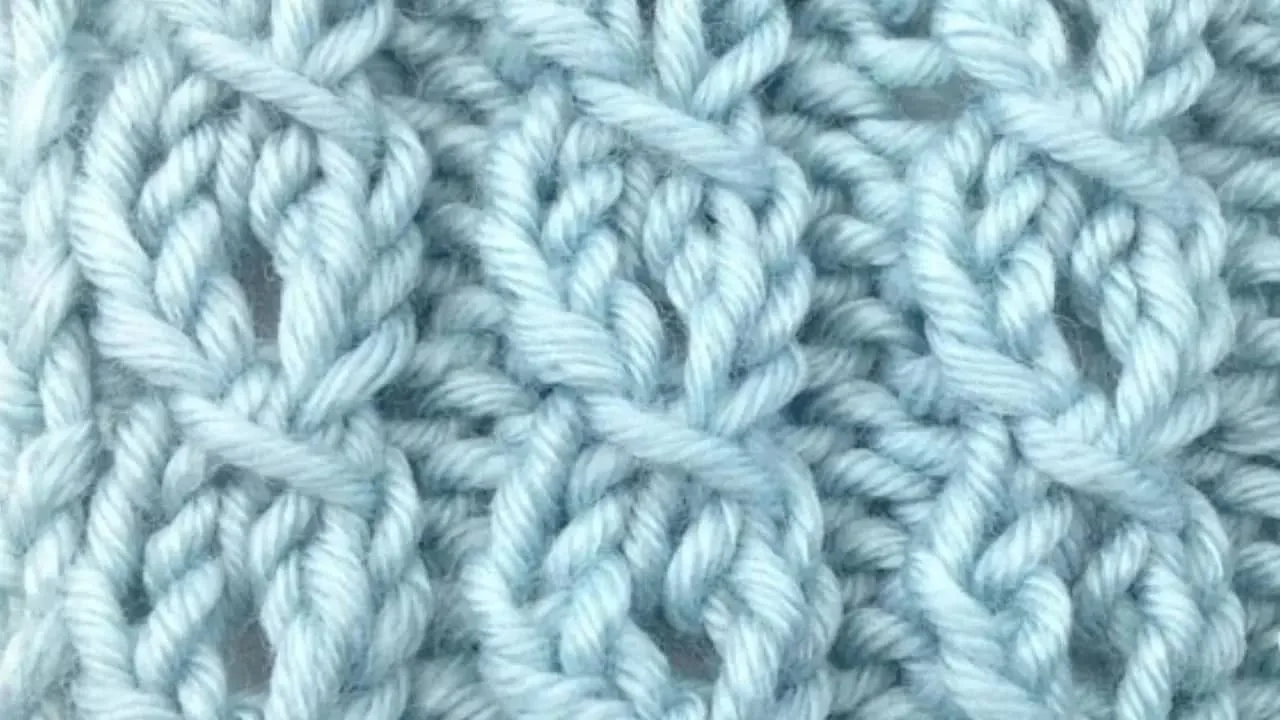
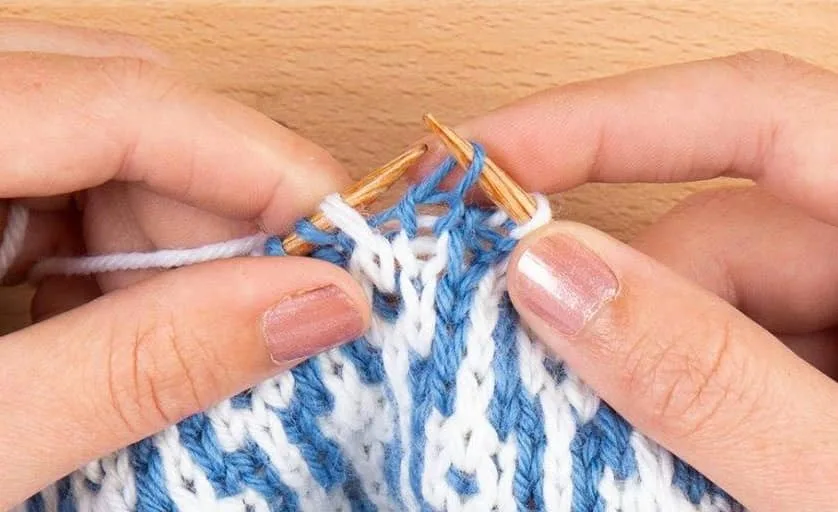
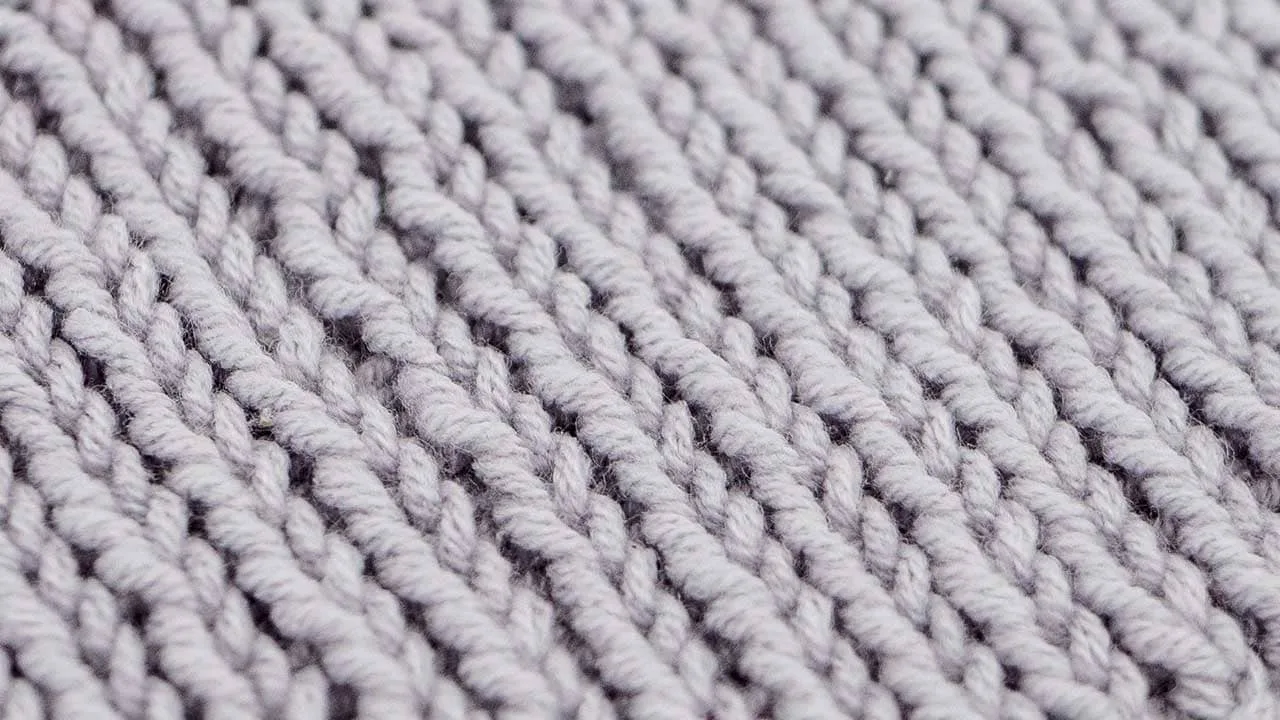
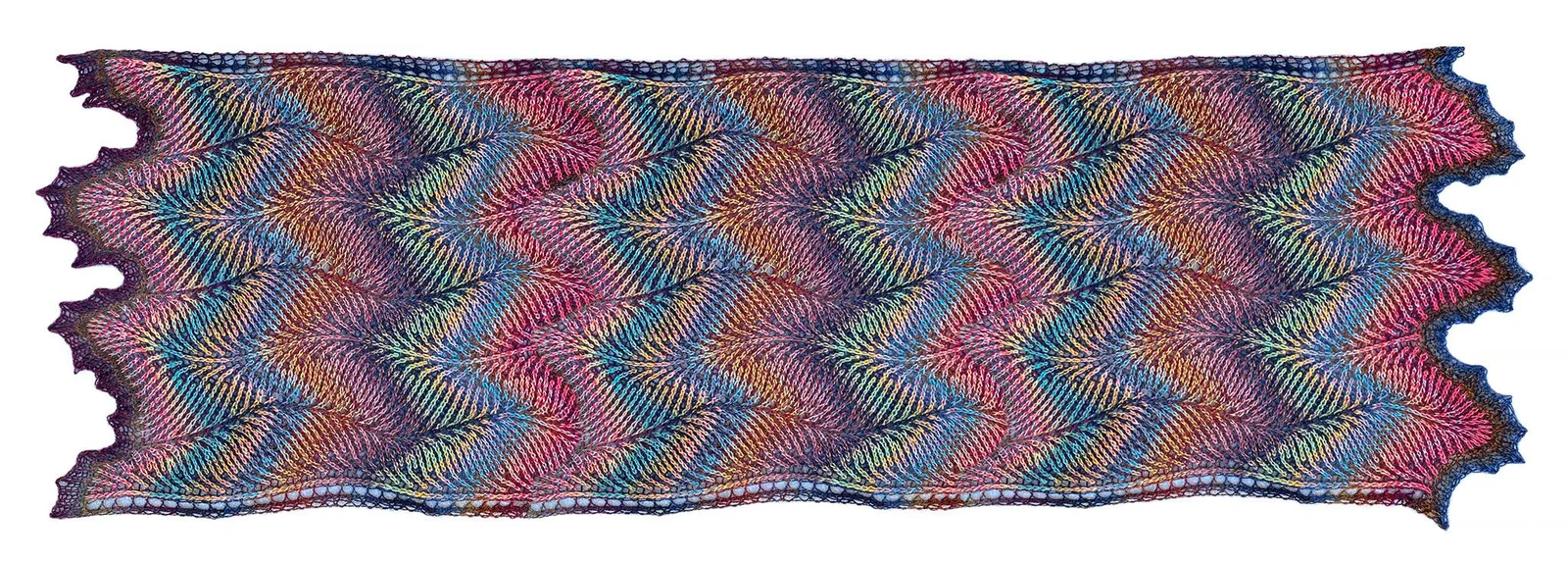
Two-color brioche knitting is reversible, squishy and free of floats, and I share what makes it tricky and why learning it in the round helps.
One method, explained plainly.
Technique ·
Two-color brioche knitting is reversible, squishy and free of floats, and I share what makes it tricky and why learning it in the round helps.
Technique ·
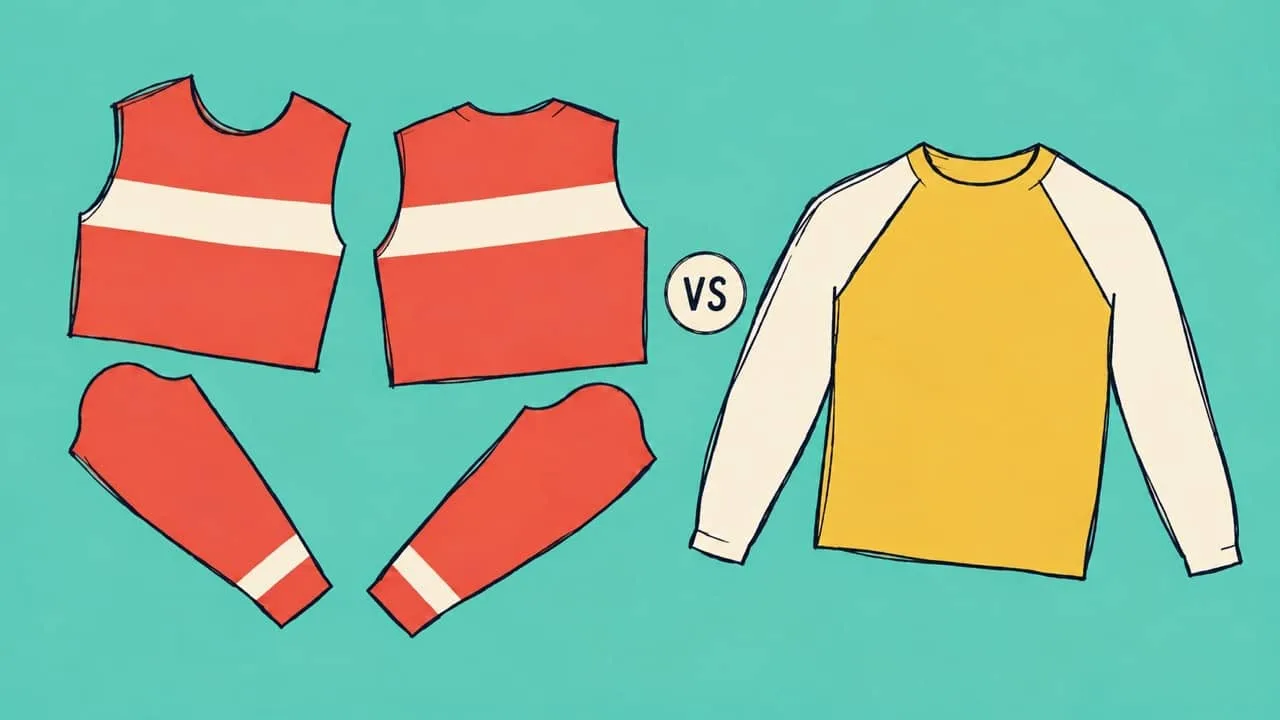
Four designers argue for seamed and seamless sweaters, and I share a ten-second way to decide which one to knit for your next sweater.
Technique ·
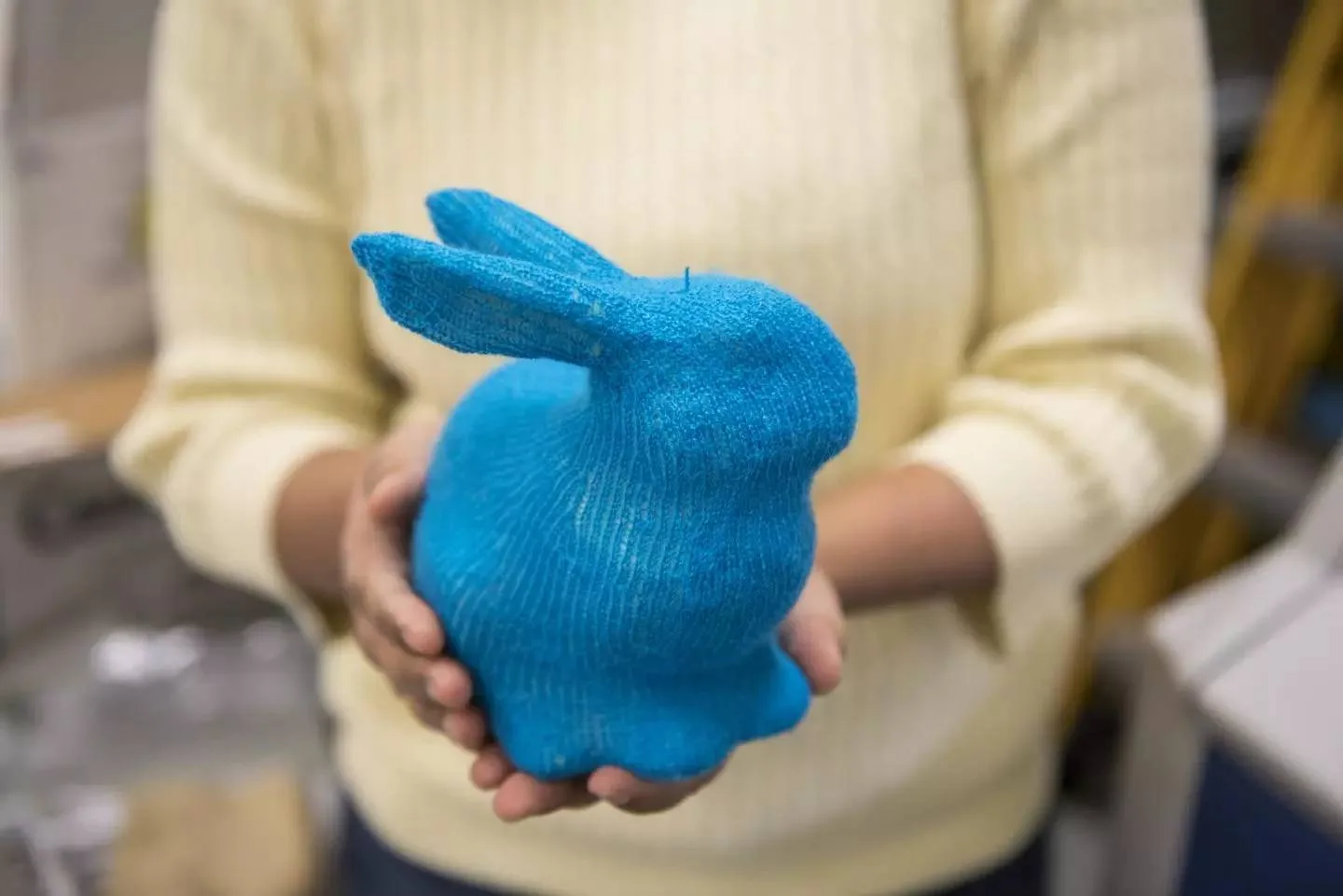
Most knitting projects are built from simple shapes like rectangles, triangles and tubes, and seeing those shapes makes a complicated pattern feel simple.
Technique ·
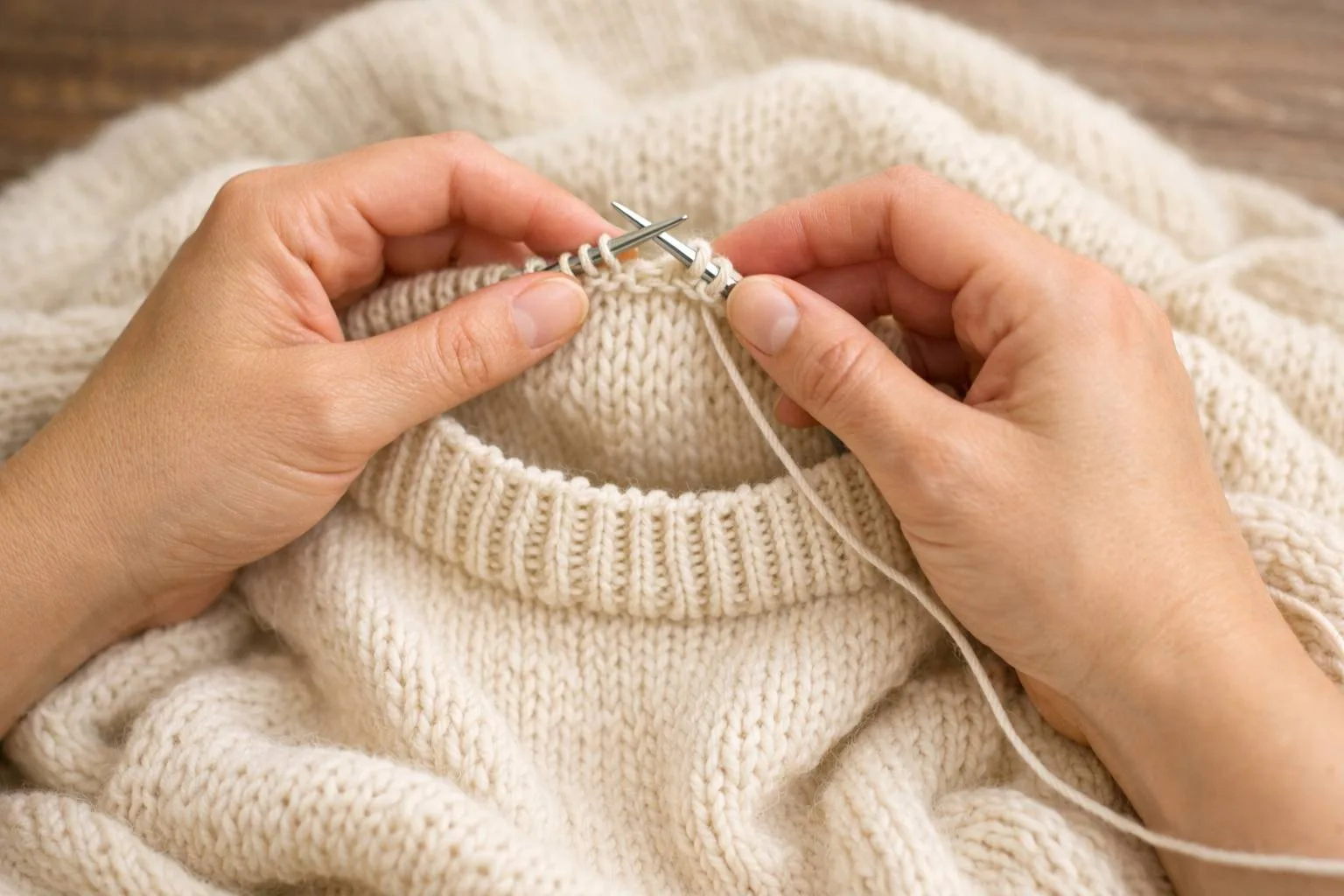
A basic sweater uses six skills you already know from hats and socks, so you are probably closer to knitting a sweater than you think.
Technique ·
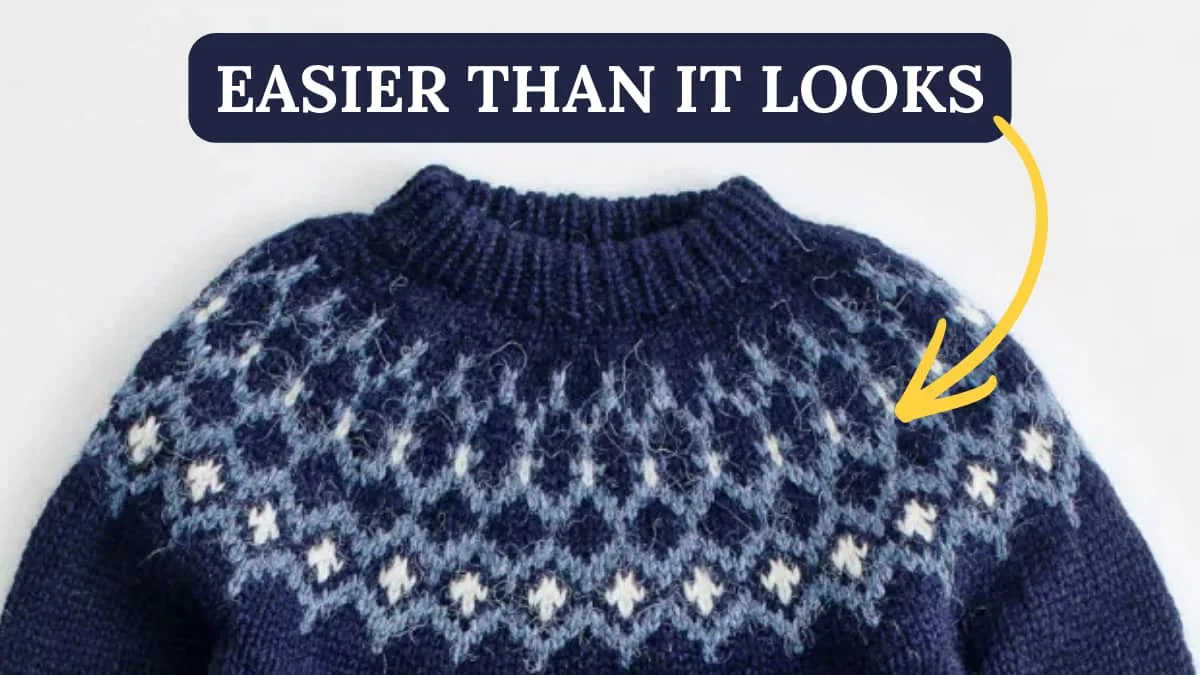
Cables, Estonian lace, short rows and stranded colorwork look hard, but each is one simple move repeated, and this shows what these techniques really are.
Technique ·
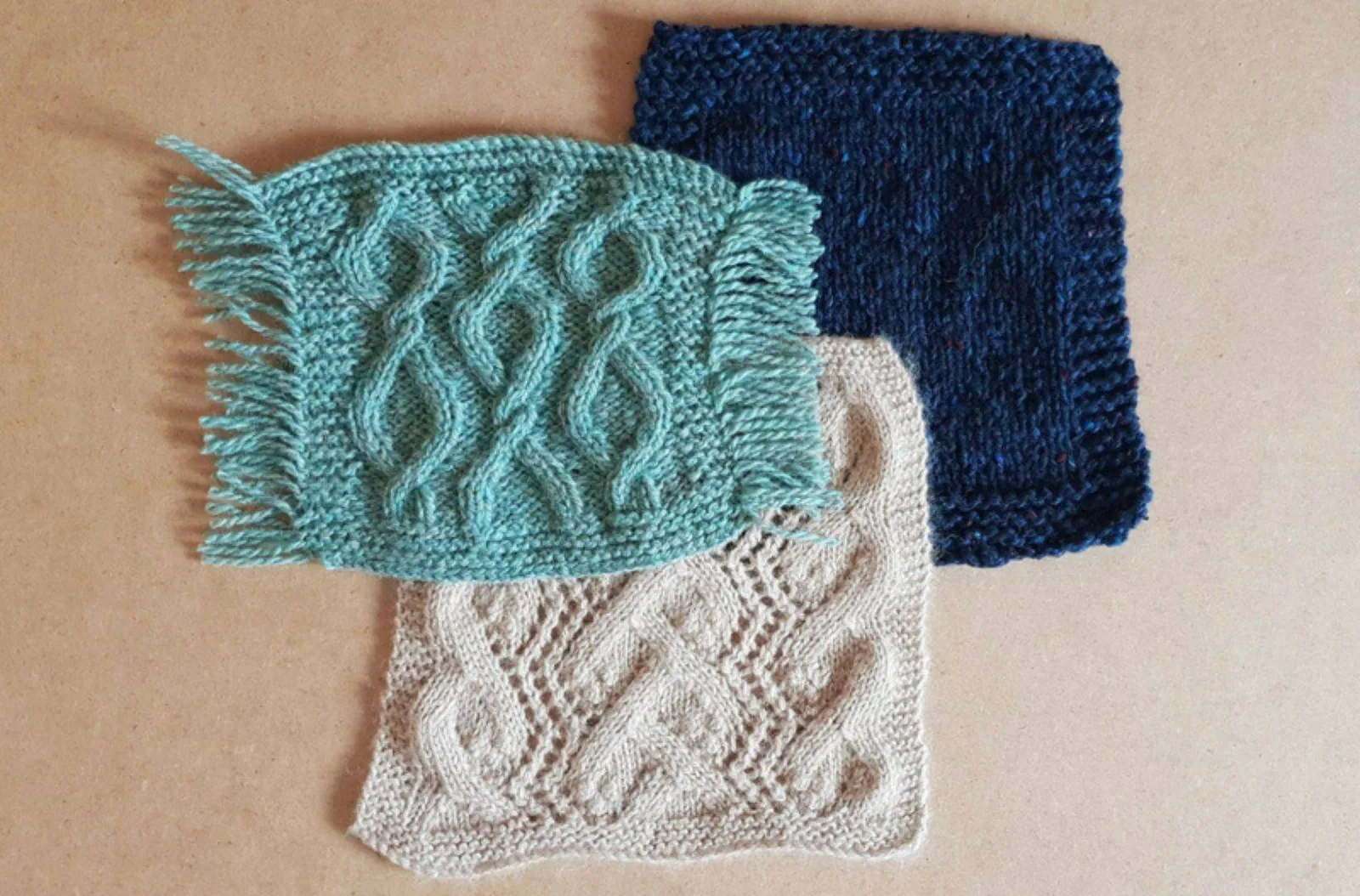
A gauge swatch helps you get to know your yarn, practice new stitches and save time, and it is the first step toward knitting without a pattern.
Technique ·
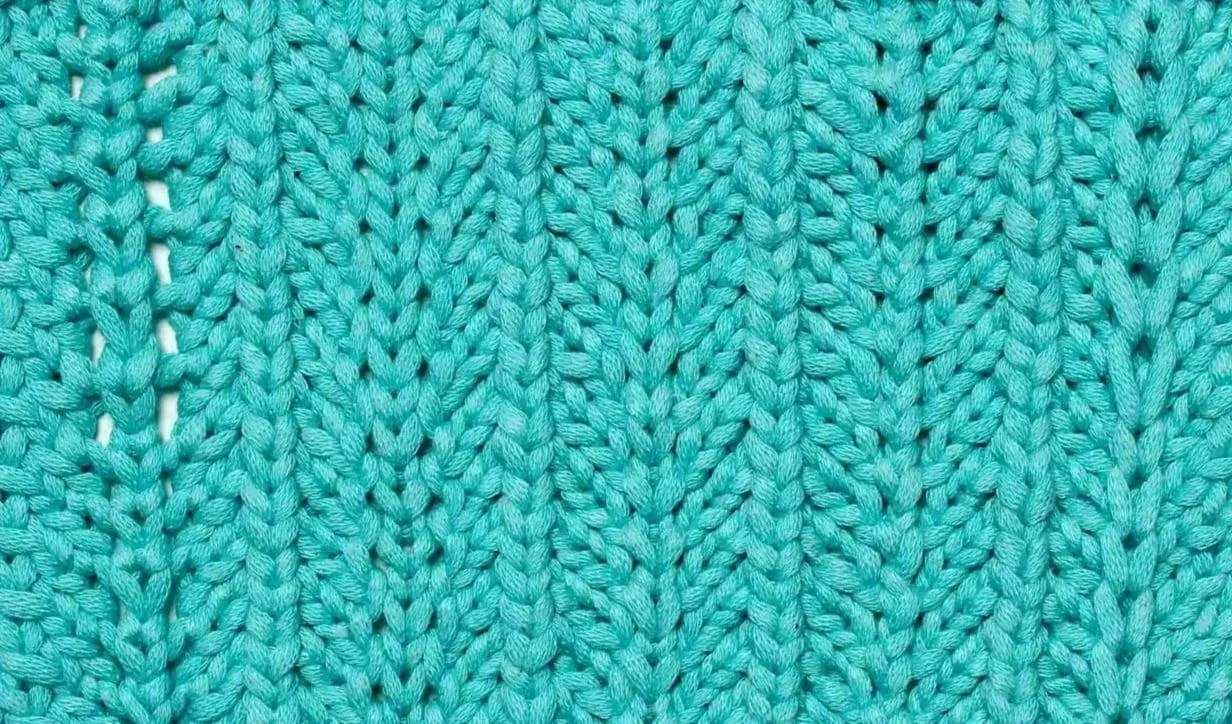
Two-color brioche knitting is reversible, double sided and squishy, and I think it is much easier to learn in the round than when knitting flat.
Technique ·
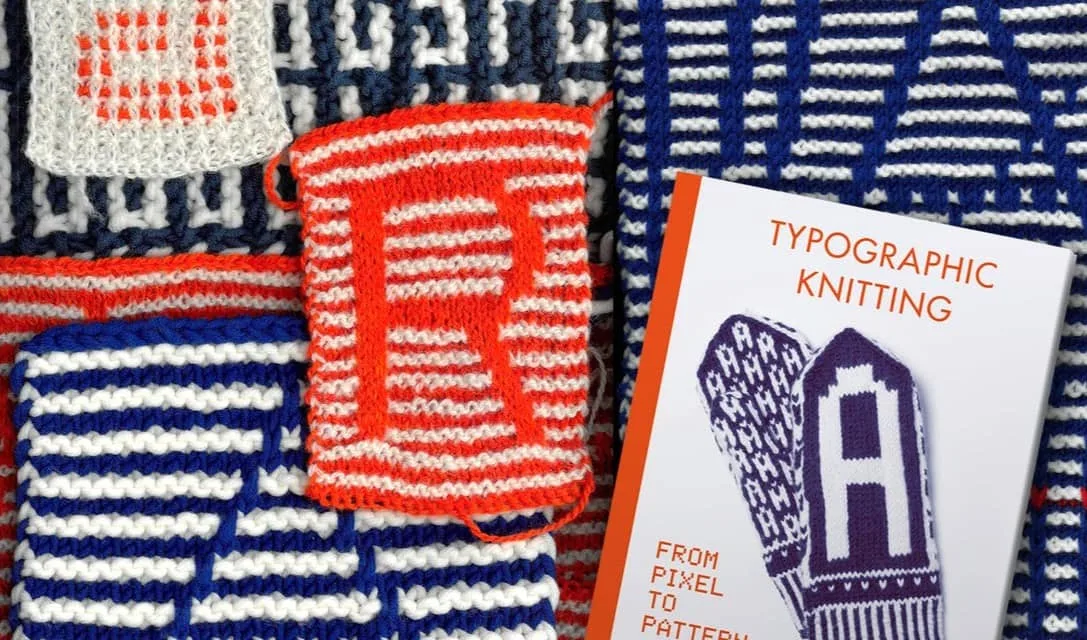
Five colorwork knitting techniques you may not know, from typographic and Twigg stitch knitting to bargello, fusion and fission, and roosimine.
Technique ·
Three ways to swatch for knitting in the round, so your gauge reflects knit stitches only, using a tube, a speed swatch or a fake in the round swatch.
Technique ·
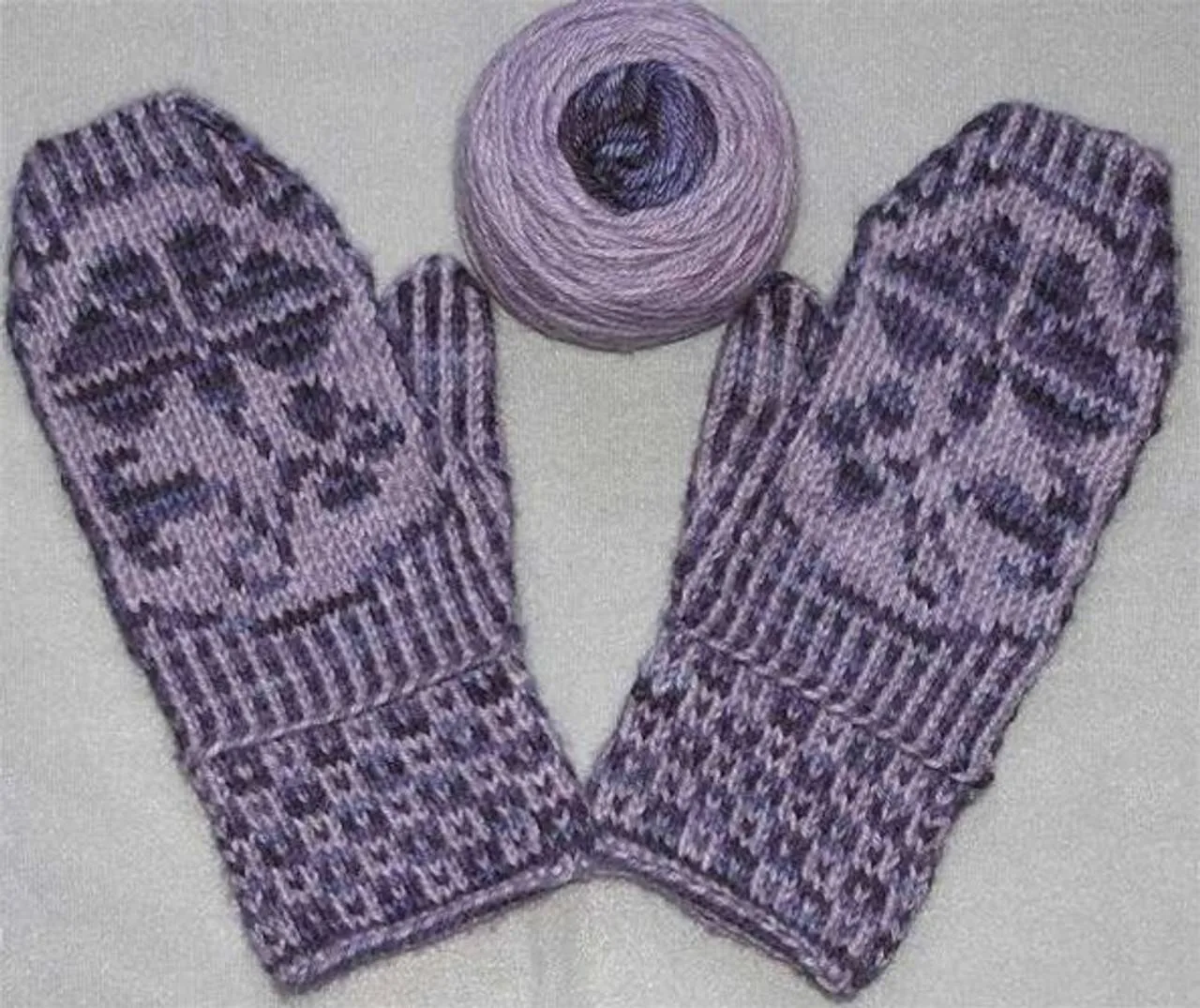
Tvåändsstickning, or twined knitting, twists two strands of yarn on every stitch to make warm, waterproof colorwork mittens, slippers and coats.
Technique ·
The Latvian braid twists yarns into a horizontal row of arrows, often seen on mittens and hats, with a tutorial link and two Latvian-inspired picks.
Technique ·
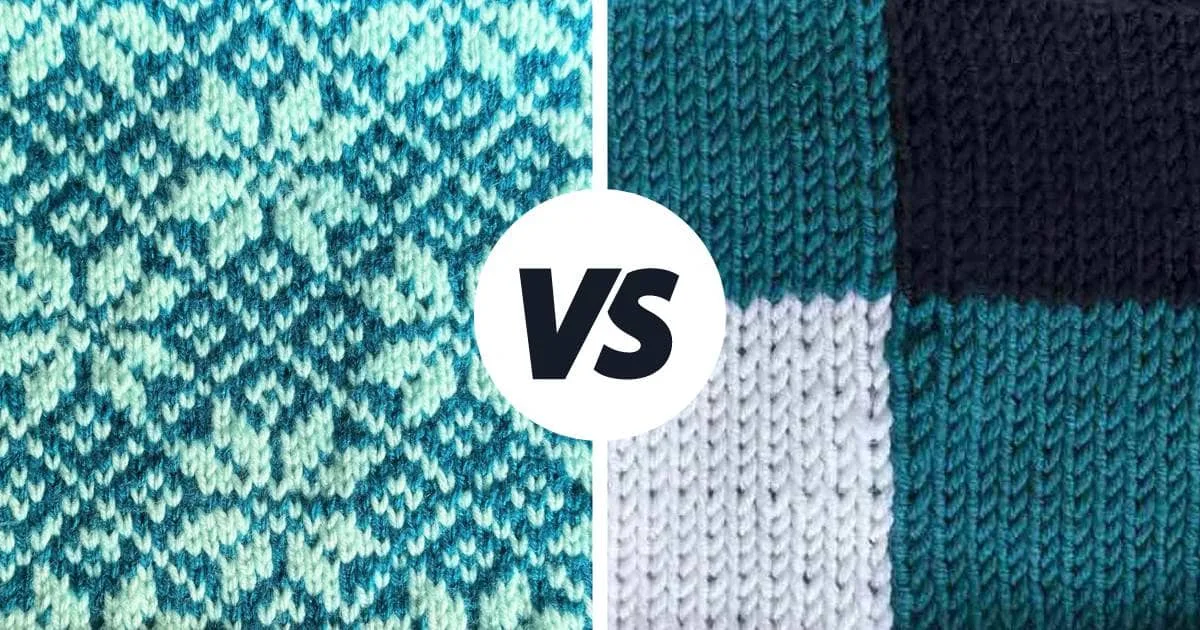
Fair Isle and intarsia compared, covering how each colorwork technique works, their pros and cons, and whether you can knit Fair Isle flat.
Technique ·
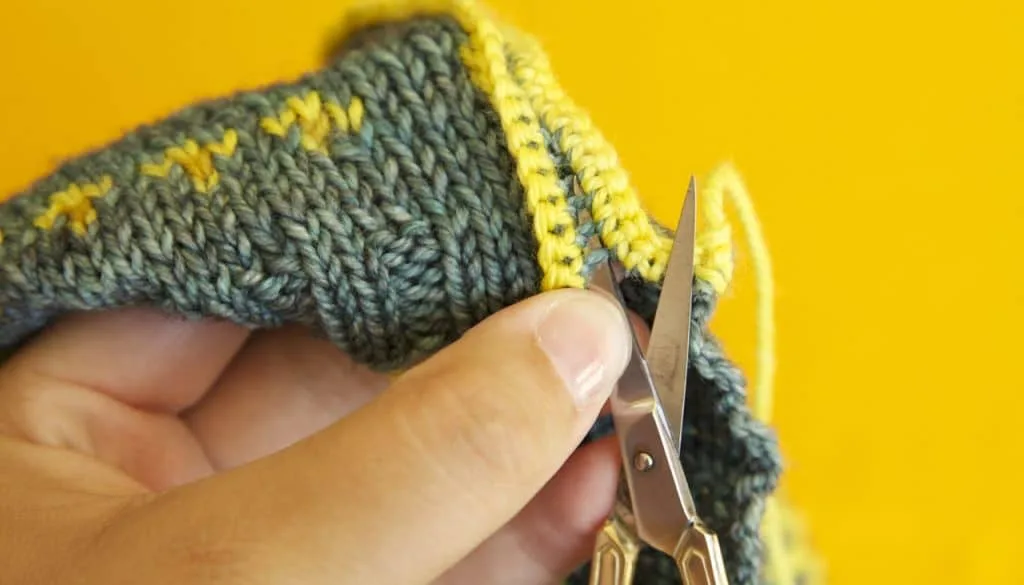
Steeking means cutting your knitting on purpose, and this covers how a steek is reinforced, where it began in Shetland, and its benefits and drawbacks.
Technique ·
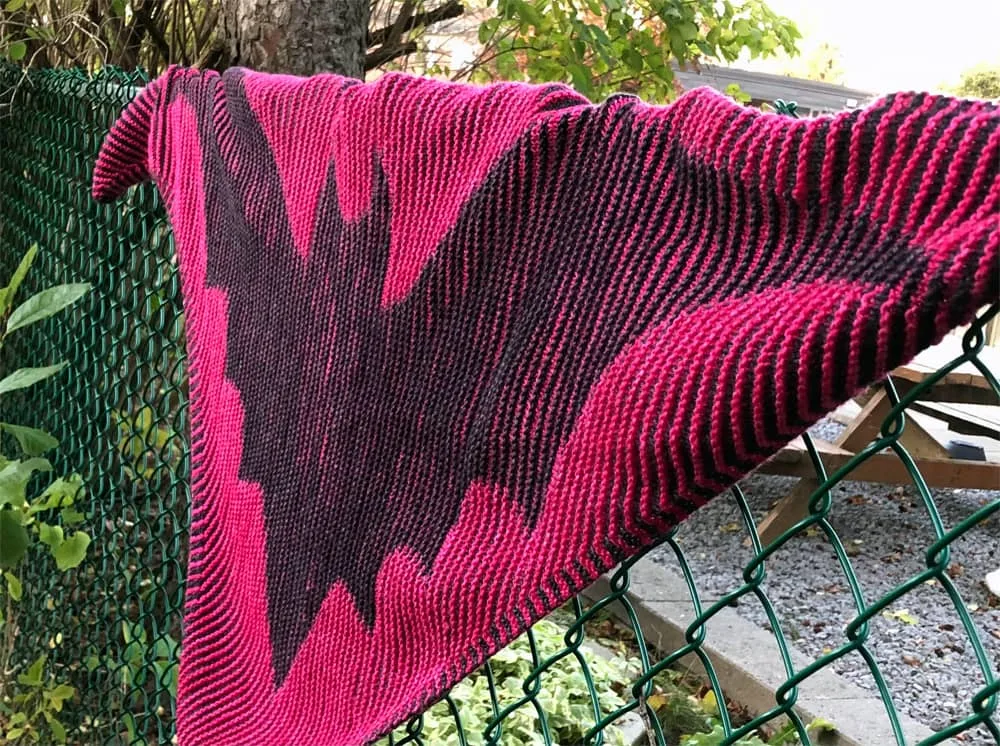
Shadow knitting, also called illusion knitting, hides an image in striped fabric, and here are how it works, its history and how to read the charts.
Technique ·
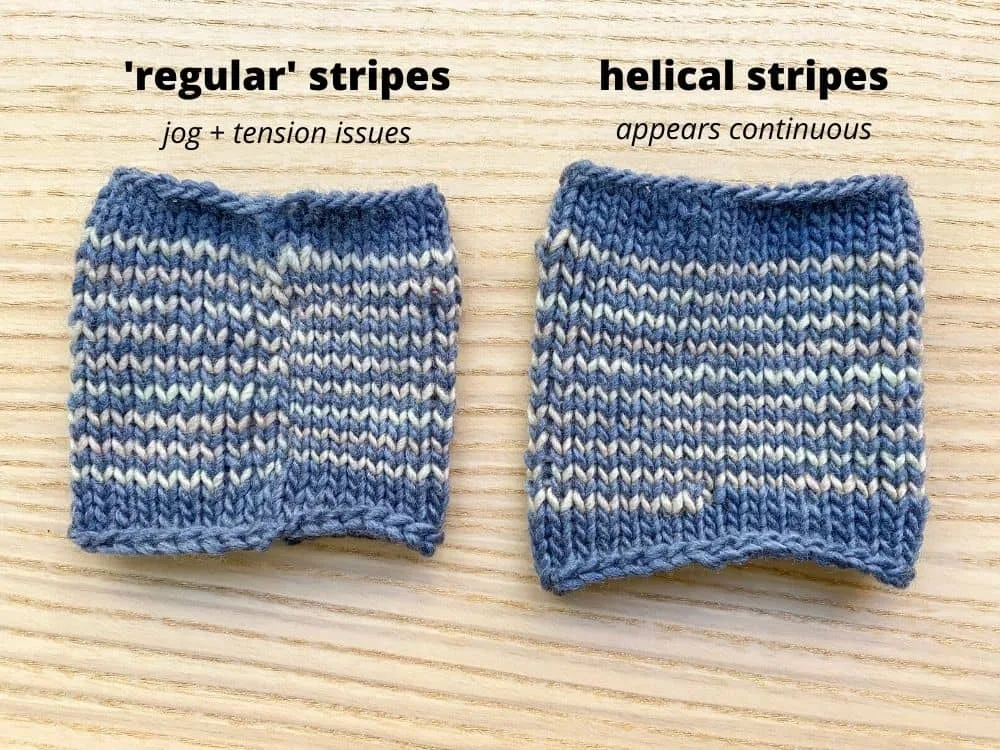
Helix knitting, or helical stripes, lets you knit stripes in the round with no jog by working two or more spirals, and suits socks, hats and scarves.
Technique ·
Five reasons to knit a sweater, even in spring and summer, from the skills it builds and the patience it teaches to what it costs.
Technique ·
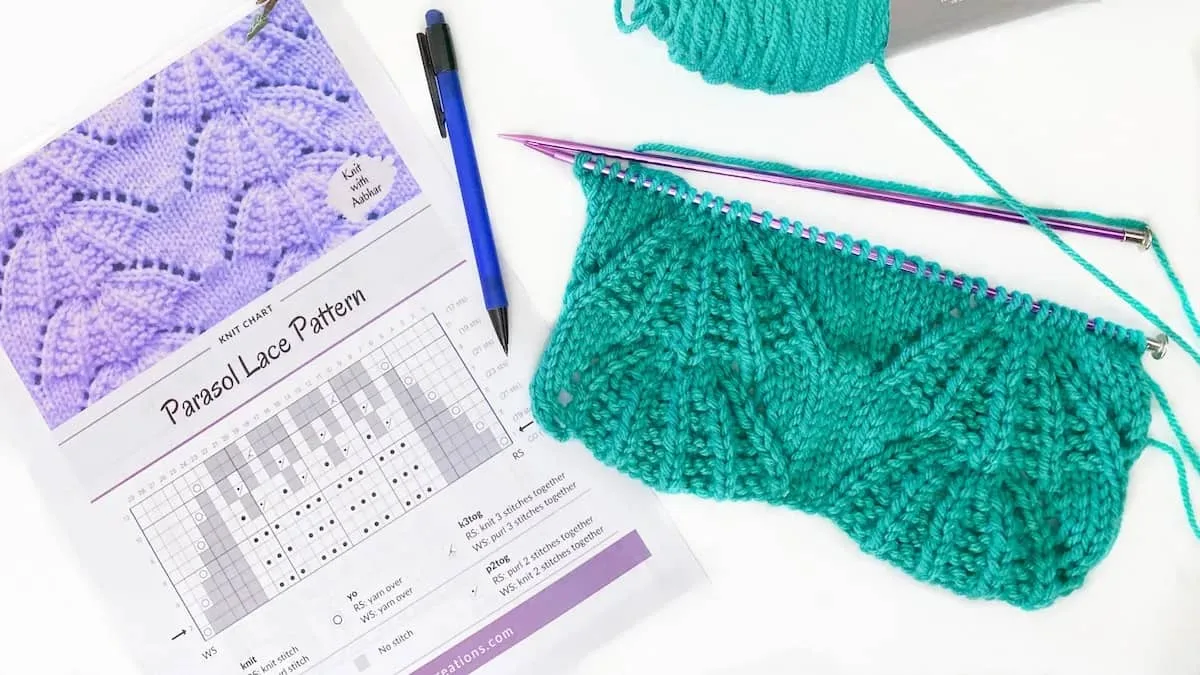
Four tips for knitting from charts, from reading the basics to thinking in stitch blocks, plus three books and tools to practice with.
Technique ·
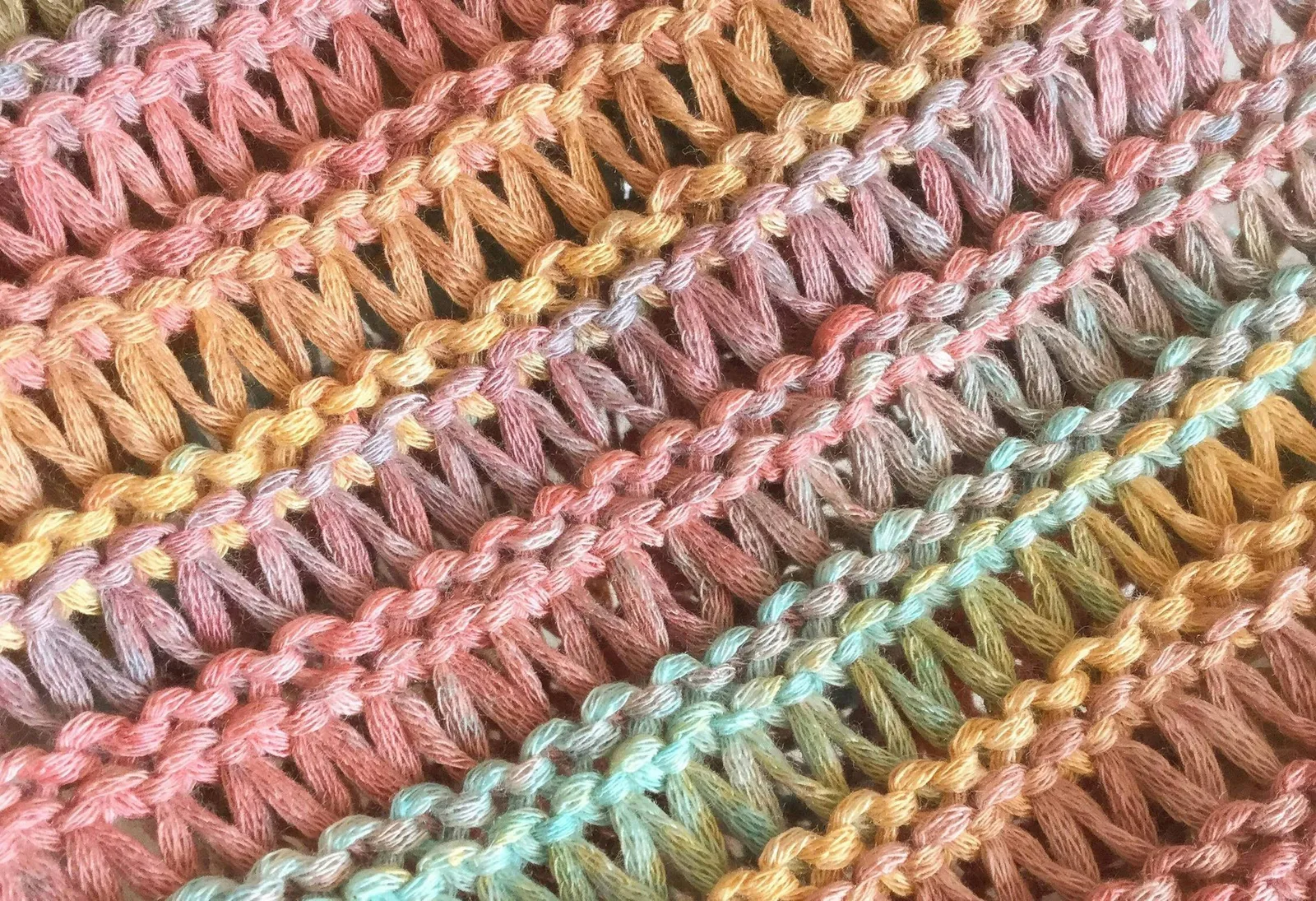
Drop stitch knitting makes light, airy fabric from extra yarn wraps, and this covers the basics plus wavy, crown and Indian cross stitch variations.
Technique ·
Four newly invented knitting increases from Assia Brill, including the Twincrease and T-Increase, for symmetrical shaping in raglan sweaters and lace.
Technique ·
Three knitting decreases you may not know, an alternate SSK, a ribbed double decrease and a centered single decrease, plus why decreases shape garments.
Technique ·
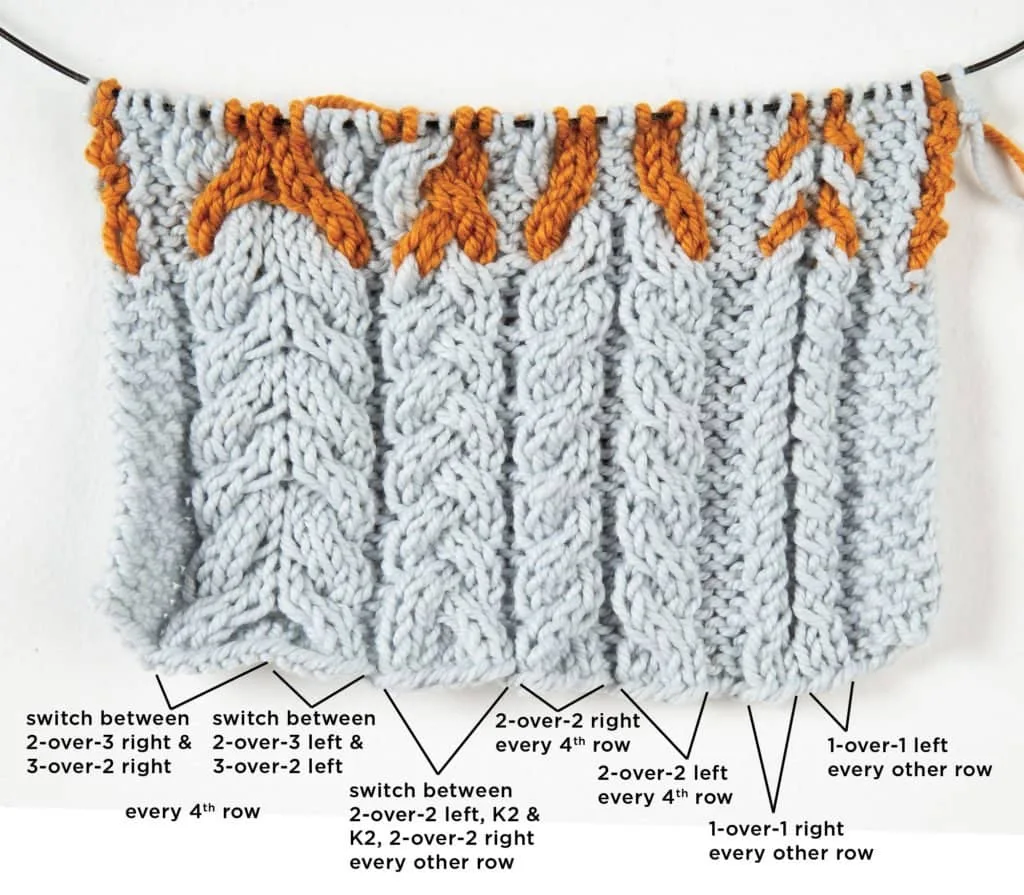
Every cable knitting pattern comes down to swapping stitches, and six simple choices decide how a cable looks, so cables are easier than they seem.
Technique ·
A twist stitch is a two-stitch mock cable and a twisted stitch is worked through the back loop, so here is how each is done and used.
Technique ·
Five ways to use slipped stitches in knitting, from slipping knitwise or purlwise to selvedge edges, mosaic colorwork and the bamboo stitch.
Technique ·
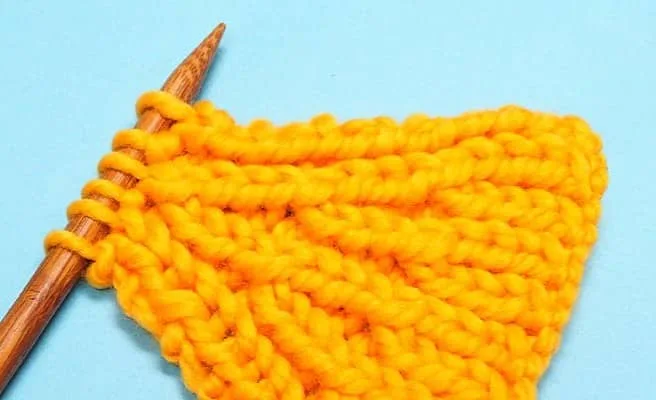
Four ways to fix sloppy ribbing by tightening the slack between knit and purl stitches, from tugging your purls to the after slip rib.
Technique ·
Part two of my Knit Rank system for knitting skill levels, covering levels 4 to 7, from a striped hat to cabled mittens and a raglan sweater.
Technique ·
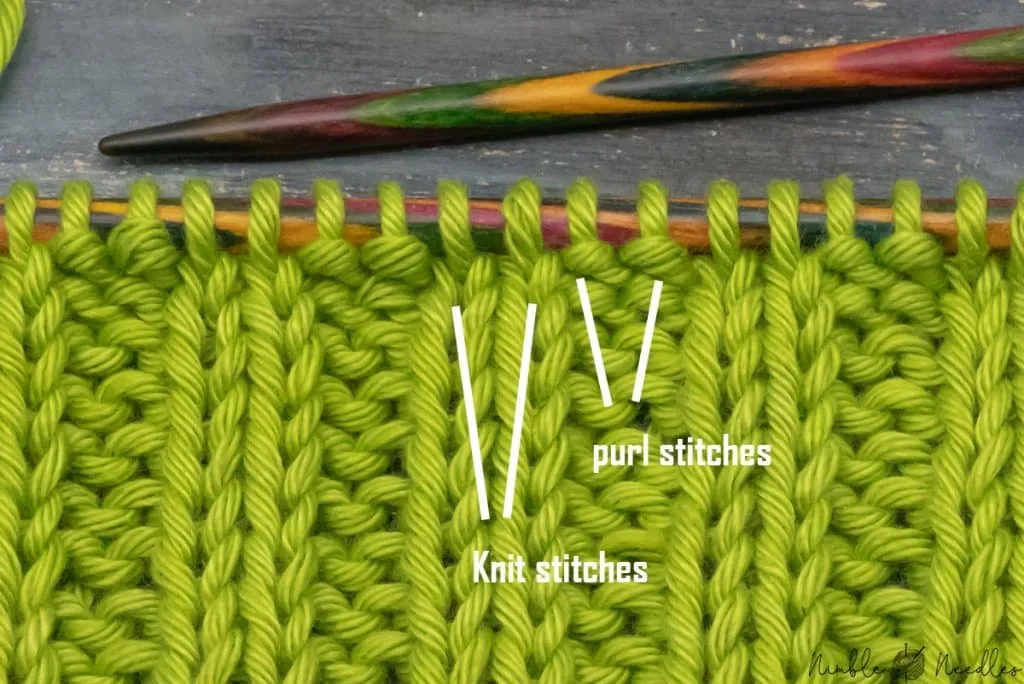
Reading your knitting, from telling knits from purls to counting stitches and rows, is the one skill I think every knitter needs to master.
Technique ·
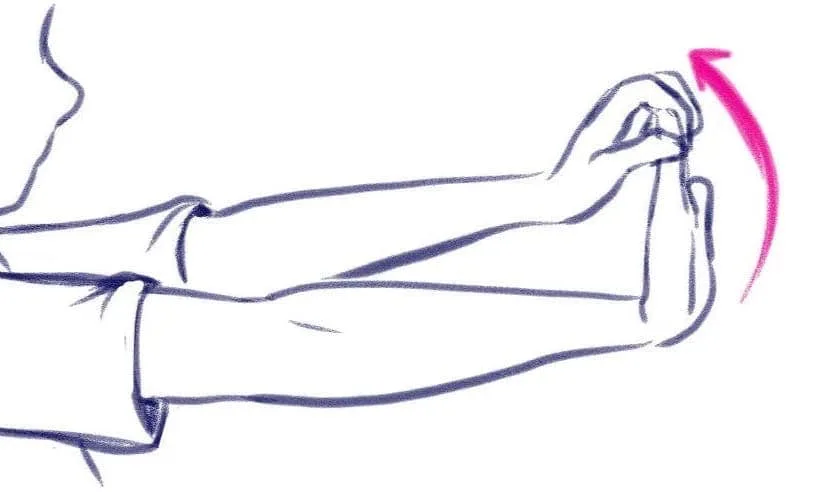
Seven simple stretches for knitters' hands that take under three minutes and can ease tension and pain before and after a knitting session.
Technique ·
Matching gauge is harder than patterns suggest, so here are three reasons a gauge swatch won't match and why swatching is still worth your time.
Technique ·
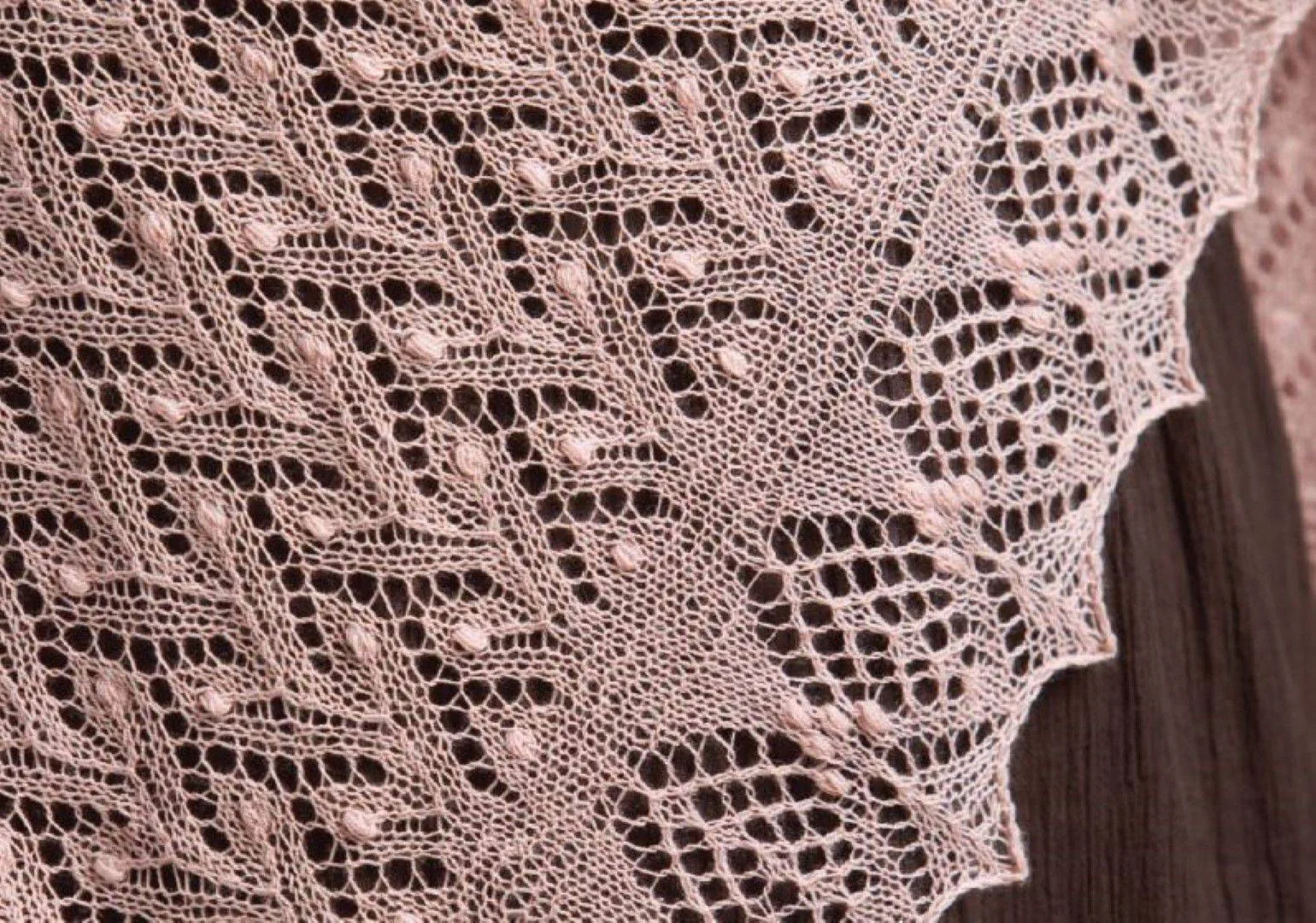
The Estonian nupp is a bobble stitch from Haapsalu lace shawls, and here is how it began, why it is hard to purl together, and two tips for knitting it.
Technique ·
Four types of advanced knitting stitches, wrapped, clustered, gathered and threaded, with examples of each and what makes them tricky.
Technique ·
A tribute to Barbara G. Walker, who changed how knitters build garments with Knitting from the Top and her Treasury of Knitting Patterns books.
Technique ·
Advice for new knitters from my own start in 2010, on cast ons, circular needles, charts, Continental style, sweaters, yarn buying and daily habit.
Technique ·
Knitting skills grow like a garden, and I use my neglected community garden plot to show why daily practice, community and patience build a knitter.
Technique ·
To frog your knitting means ripping it out, and I cover three reasons to do it and why mistakes and starting over are worth embracing.
Technique ·
Three tips for measuring gauge on knitted lace, from making a big swatch and blocking it to measuring full pattern repeats instead of four inches.
Technique ·
Four simple tips for knitting from charts, from reading the basics to starting with a symmetrical pattern and printing your chart out.
Technique ·
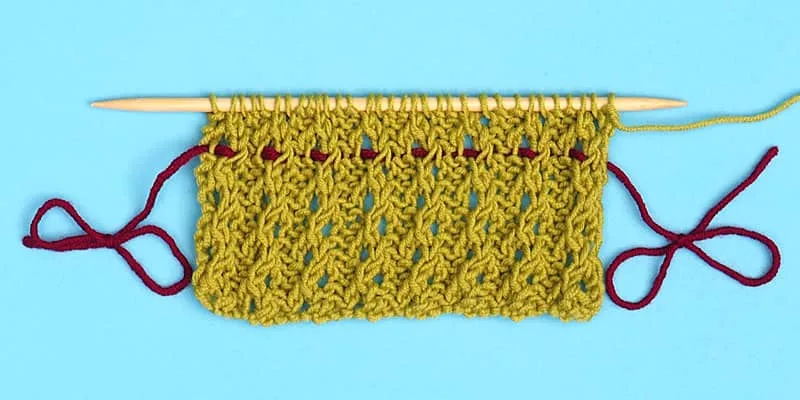
A lifeline is a strand of waste yarn run through a row of stitches, and here is how to add one so a mistake in lace or brioche is easy to fix.
Technique ·
There are four ways to work a yarn over, depending on whether you move from knit or purl stitches, and here is how to make each one.
Technique ·
Knitting quotes from Stephanie Pearl-McPhee, the Yarn Harlot, on why knitters knit, patience and mistakes, shared to lift your spirits.
Technique ·
Three little known knitting techniques I found while researching, tuck stitch knitting, fusion and fission knitting, and Estonian roosimine inlay.
Technique ·
A profile of Cat Bordhi, who changed sock knitting with socks worked from the heel out on two circular needles, with how I met her and her legacy.
Technique ·
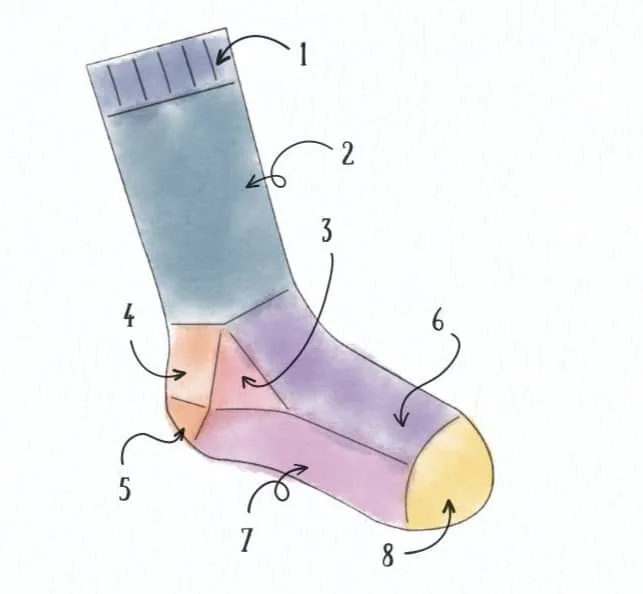
A diagram and plain guide to the parts of a knitted sock, from cuff and leg to gusset, heel flap, instep, sole and toe, so sock patterns make sense.
Technique ·
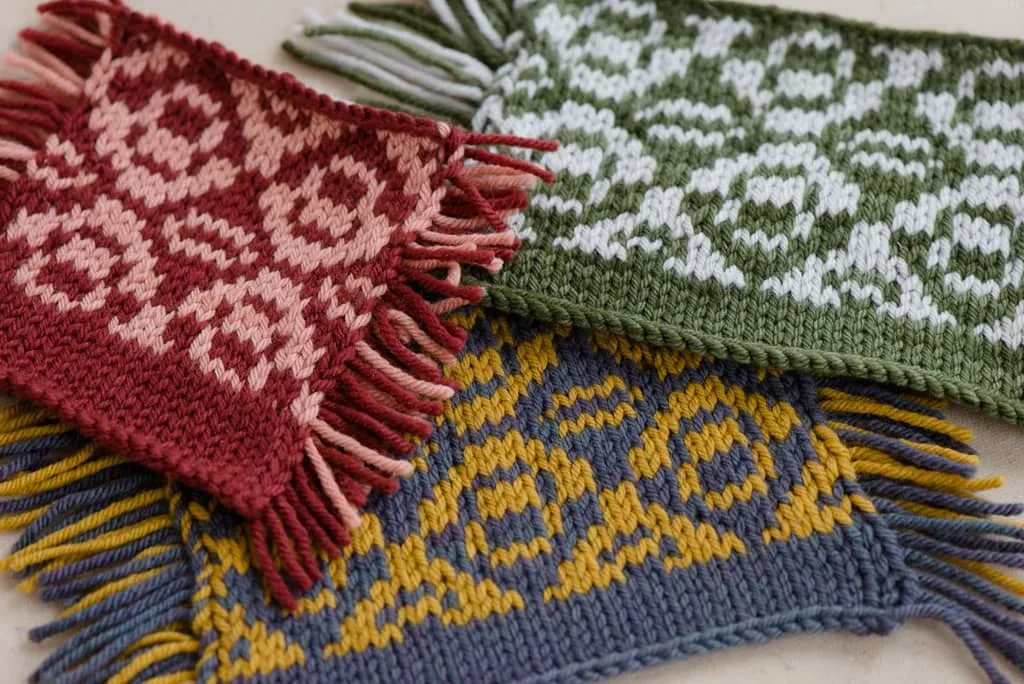
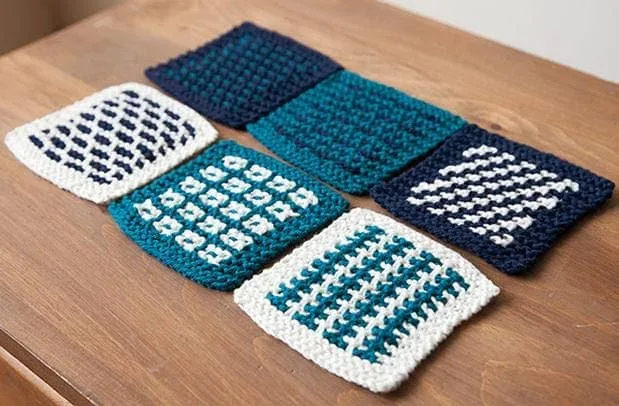
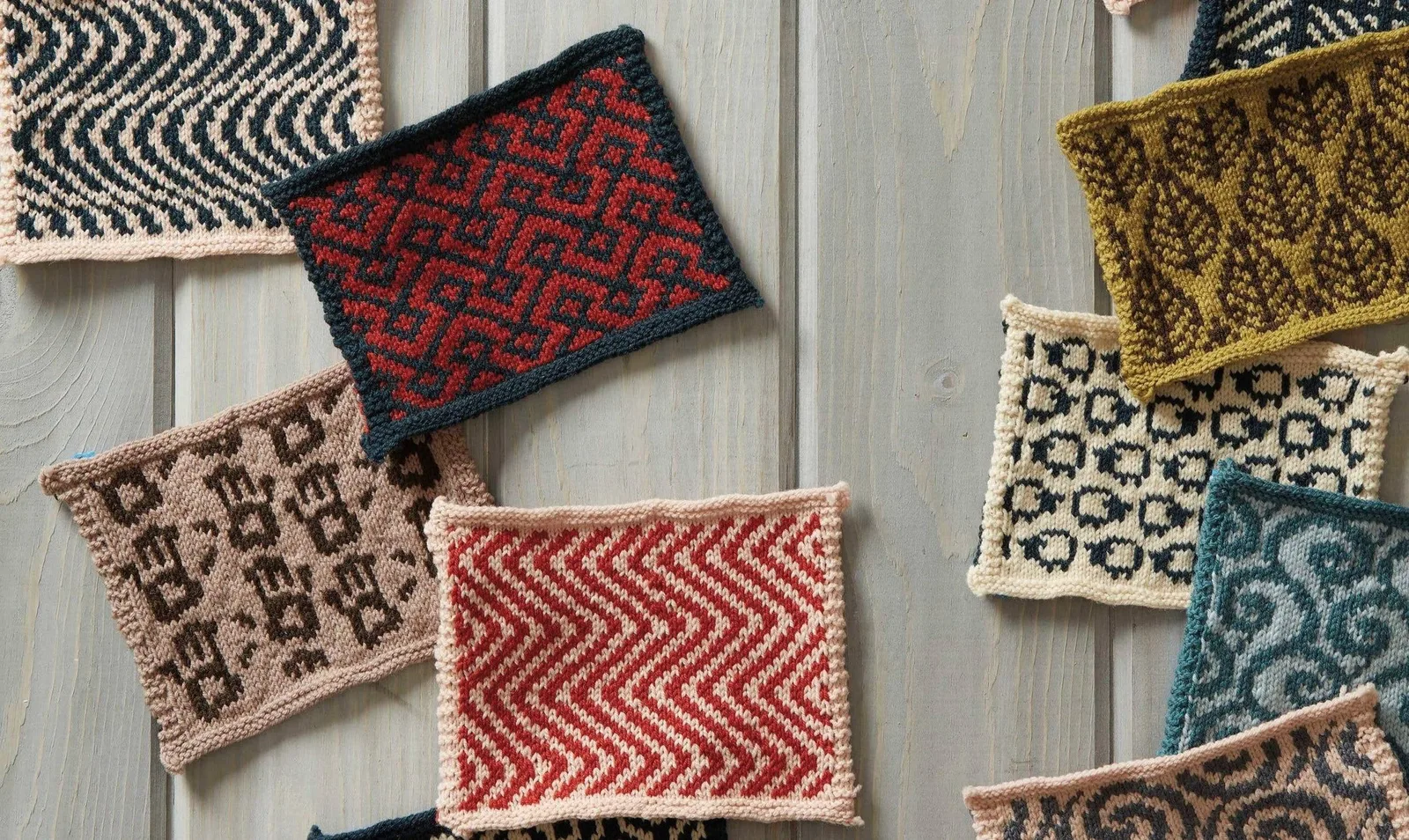
Mosaic knitting is an easy way into colorwork using slipped stitches, one color at a time and no floats, with books and sites to learn from.
Technique ·
Nine Instagram accounts for knitters to follow, from indie dyers and colorwork and mitten designers to Purl Soho and a pair of dogs in sweaters.
Technique ·
Five tricks for cleaner cast ons and bind offs, from casting on over two needles to the infinite long tail and a neat last bound-off stitch.
Technique ·
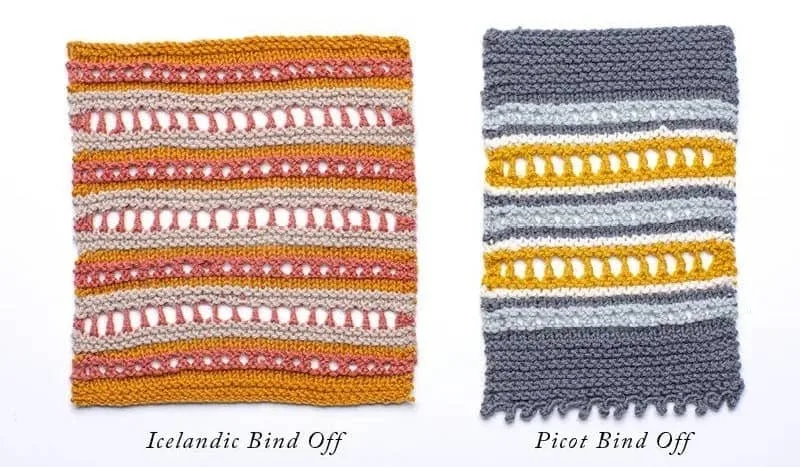
Three decorative bind offs for finishing a project with more personality, the two color, picot and Icelandic bind off, each with a video tutorial.
Technique ·
Three cast ons for ribbing, the Italian tubular, alternating cable and 1x1 rib, with notes on what each does best and a tutorial for each.
Technique ·
Three cast on and bind off pairs that match, from the crochet cast on with the suspended bind off to long tail with a sewn bind off, plus I-cord.
Technique ·
Five cast ons every knitter should know, from the backward loop to the Italian cast on, and what each one is best for in your projects.
Technique ·
How Shetland knitting with a knitting belt let Hazel Tindall beat a world record, and how to try lever style knitting with circular needles.
Technique ·
Irish cottage knitting, also called lever knitting, is a very fast hand knitting style, and this covers its history, how it works and its benefits.
Technique ·
Three ways to knit faster are raising your tempo, moving your hands less with Continental or lever knitting, and knitting every day to finish projects.
Technique ·
Five types of colorwork knitting from beginner to advanced, from duplicate stitch and stripes to mosaic, Fair Isle and intarsia, with pros and cons.
Technique ·
The yarn over bind off is the stretchiest of 20 methods one knitter tested, but Lori's Twisty Bind Off is her pick for the best stretchy bind off overall.
Technique ·
Hand knitting a hat can cost about a third of a similar store-bought one, and that is one of three reasons I think knitting by hand is worth it.
Technique ·
Top-down and bottom-up sweaters compared on fit, finishing and familiarity, so you can pick the construction that suits your next sweater.
Join 20,000+ Fearless Knitters who get daily knitspiration, tips and deals in their inbox.