Not yet published: imported
3 little known knitting techniques
Three little known knitting techniques I found while researching, tuck stitch knitting, fusion and fission knitting, and Estonian roosimine inlay.
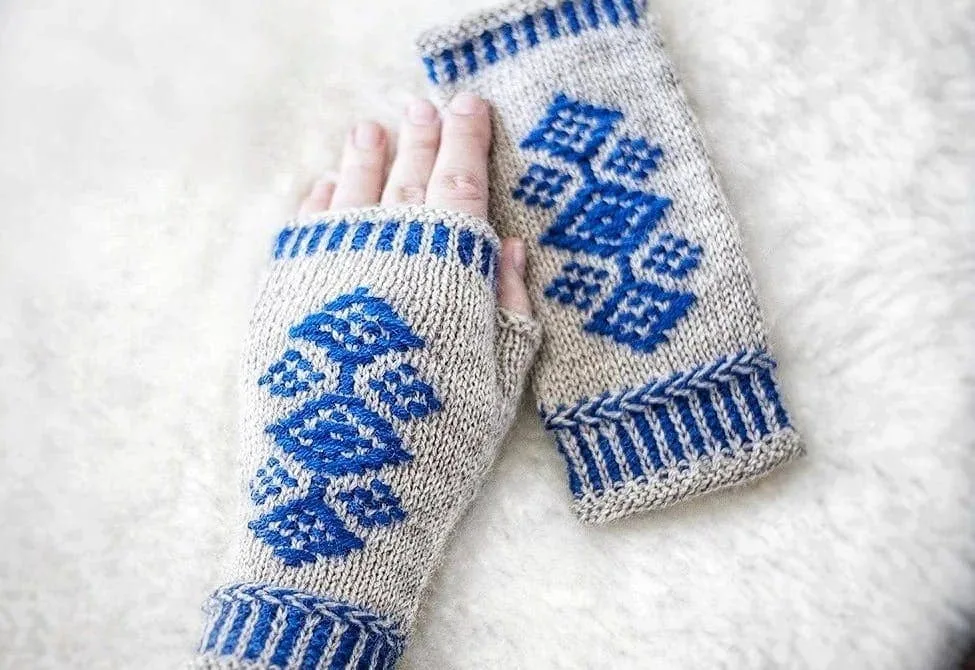
In researching for this article I come across A LOT of things I’ve never seen or heard of before in the knitting world.
Here’s a few knitting techniques I’ve discovered recently that were new to me (and maybe you too).
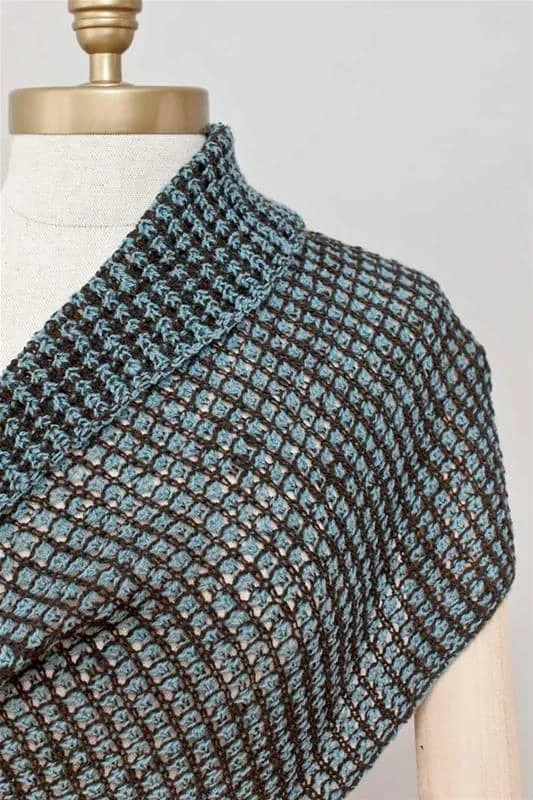
Tuck Stitch Knitting
Machine knitters might be familiar with this method, but brioche queen Nancy Marchant unraveled how to use these stitches in hand knitting.
Brioche is actually just one type of stitch in the tuck stitch family, and her book offers a ton of examples of this uncommon technique.
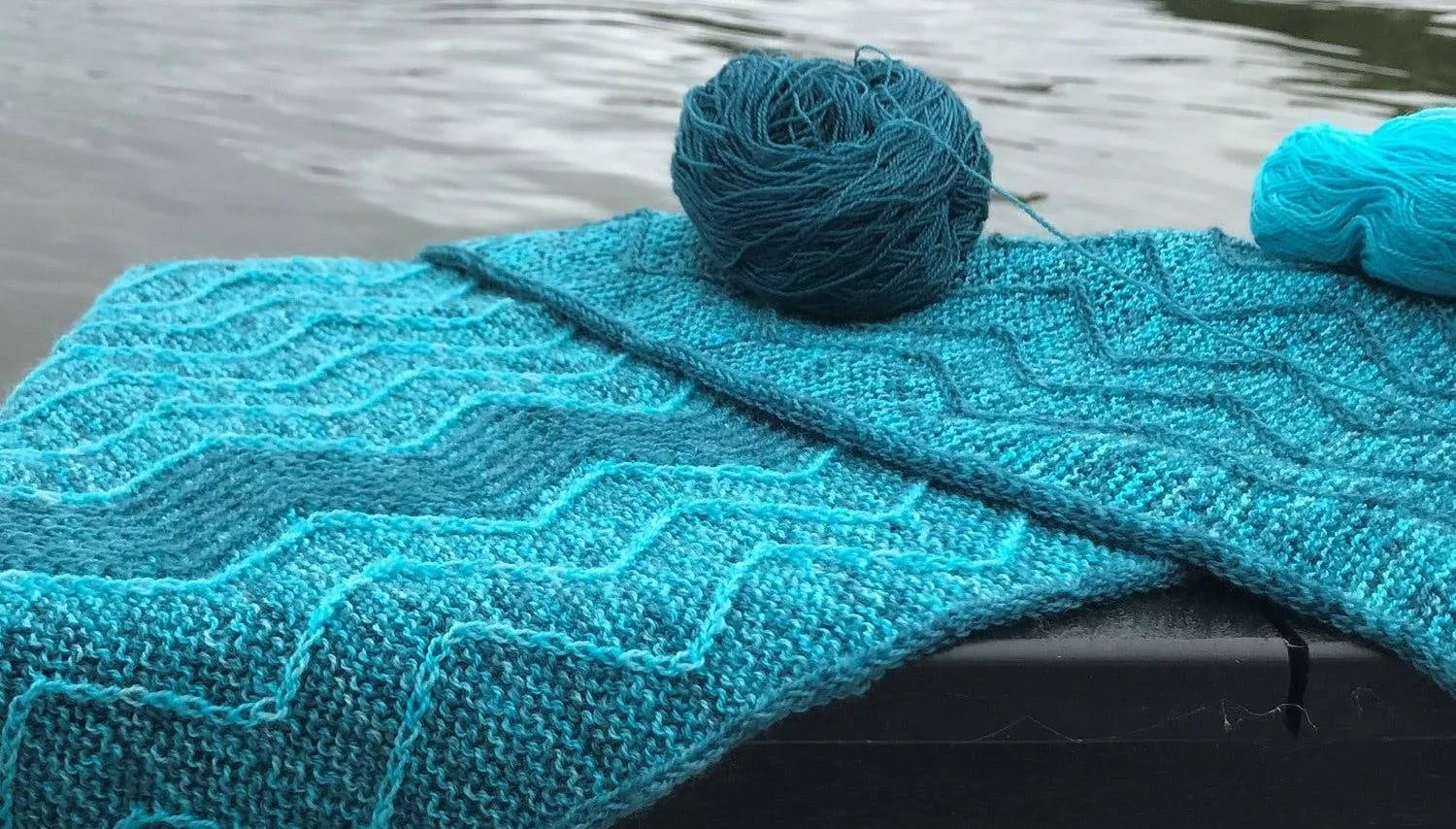
Fusion and Fission Knitting
These techniques are a true modern innovation in knitting. Created by designer Mary Martin, these reversible methods have similar looks but are created in different ways.
Fusion knitting uses slipped stitches on both sides of the fabric to create design elements. These elements are the same on each side of the fabric.
Fission knitting uses marled knitting (two different yarns held together) and splits the marl apart with slipped stitches to create design motifs. Different designs can be on each side, while the fabric between them is made of both yarns.
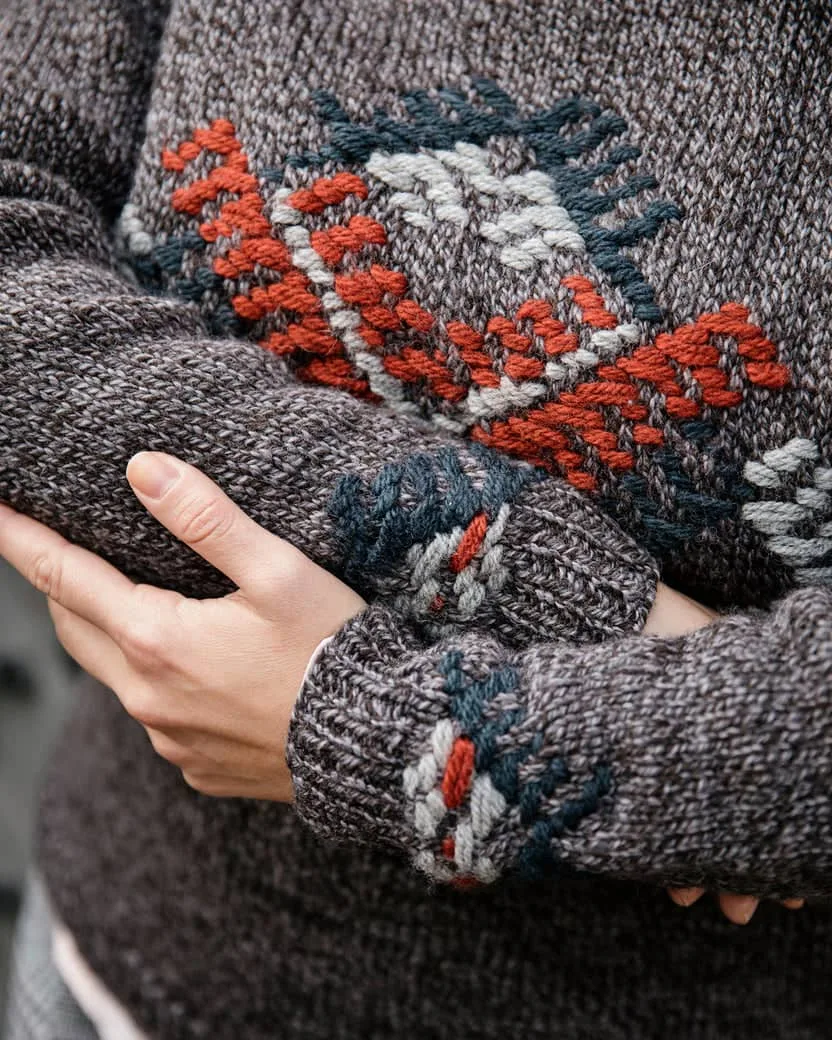
Roosimine (or Roositud) Knitting
This is an Estonian inlay technique for creating colorwork pattern in knitted fabric. It’s created by wrapping different color yarns around sections of knitting, often in geometric designs.
It’s much easier than double stitching and creates an interesting texture as well.
Some links in this article are affiliate links, and as an Amazon Associate we earn from qualifying purchases. Buying through them supports The Yarnist at no extra cost to you.