Not yet published: imported
7 Things I WISH I knew when I started knitting
Advice for new knitters from my own start in 2010, on cast ons, circular needles, charts, Continental style, sweaters, yarn buying and daily habit.
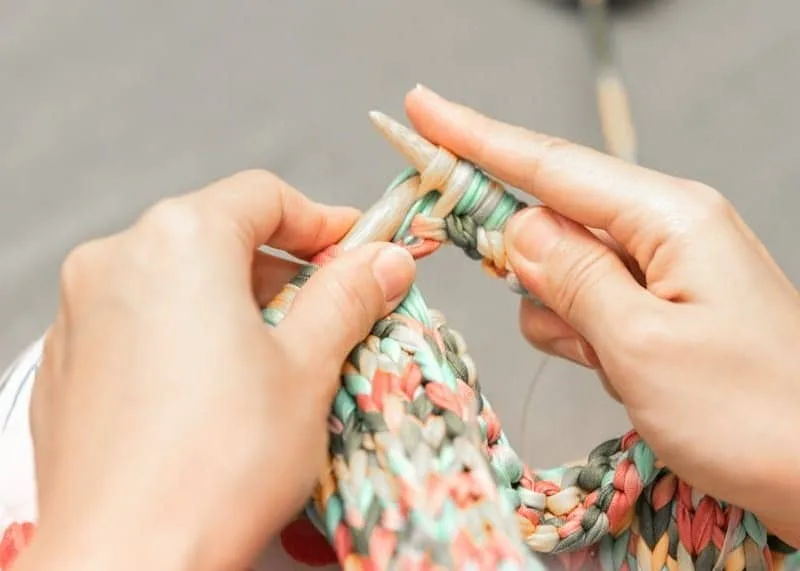
I taught myself to knit back in the summer of 2010.
My goal was to knit myself a sweater, but I had no idea how to cast on, much less knit something like that.
If I had known some things before I started, I would probably have saved A LOT of time and money.
So here’s a few pieces of advice I wish my younger self knew at the beginning.
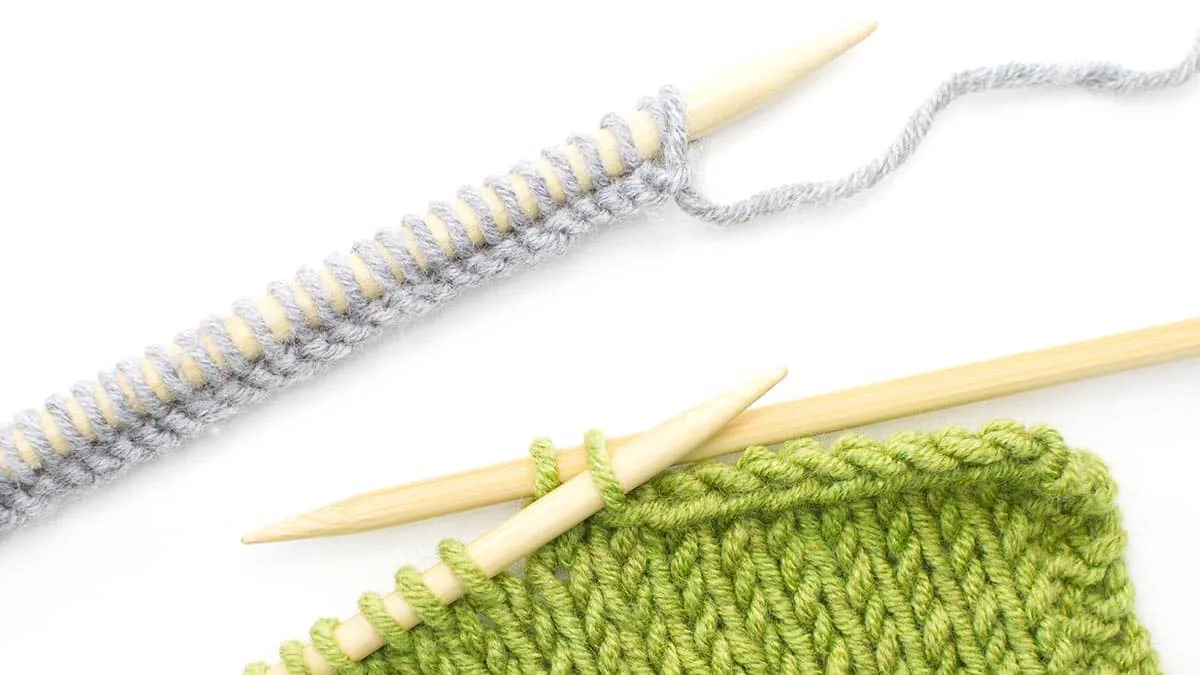
1) There are A TON of cast ons and you should learn a few
When I started knitting I thought casting on was like magic.
I was flabbergasted by how one attached yarn to a needle.
And while many people learn the long tail cast on as their first method, I rarely use it these days.
In fact there are dozens of cast ons, each with their own benefits, and knowing which cast on to use when will help you knit fearlessly.
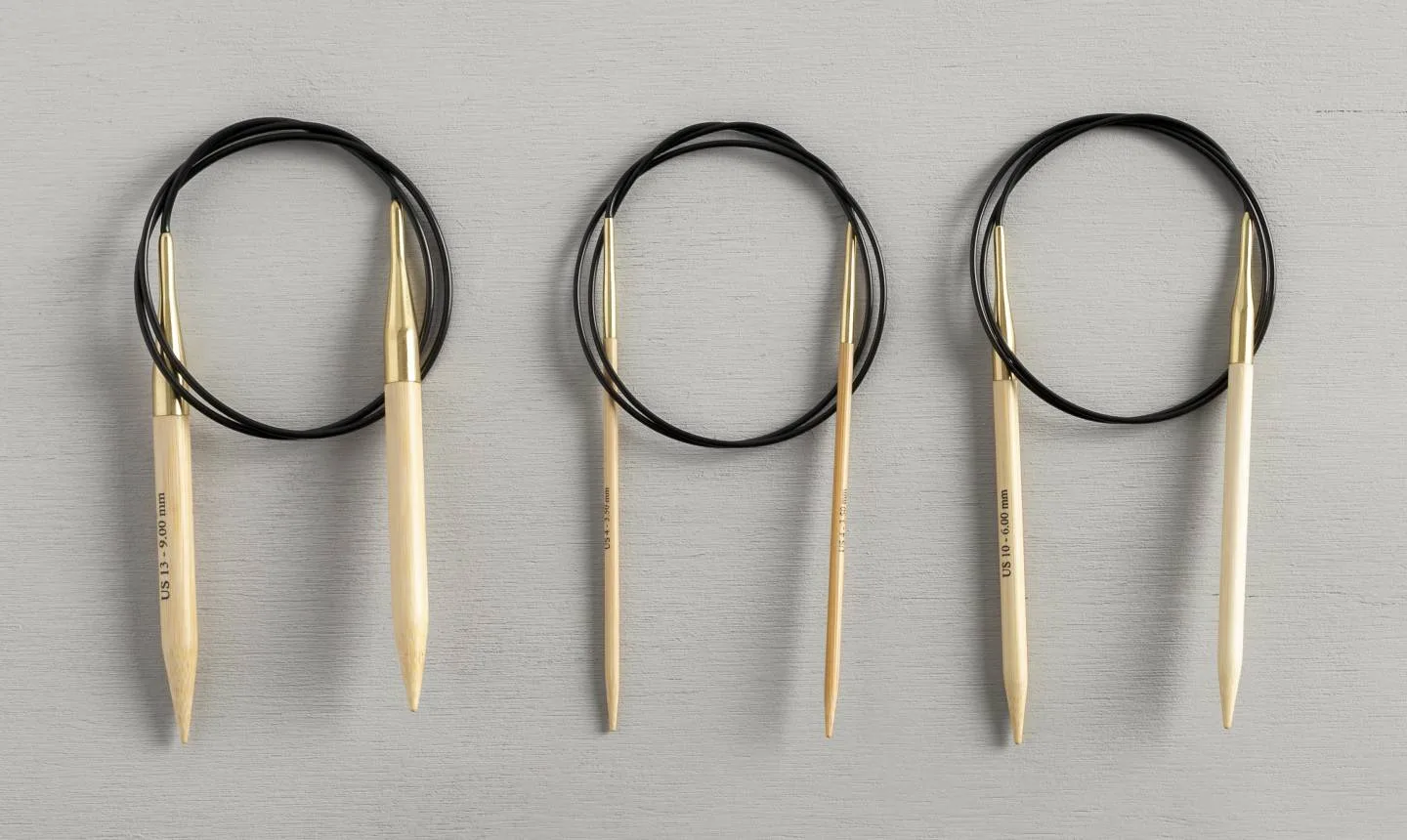
2) Circular needles are better for almost everything
My first set of needles were straight.
I think it was months before I even knew circular needles were a thing.
But I didn’t realize that circular needles could be used to knit flat AND in the round.
Not only that, it’s possible to knit socks and sweater sleeves two at a time with them, and even small item in the round with magic loop!
Now I only have straight needles for decoration.
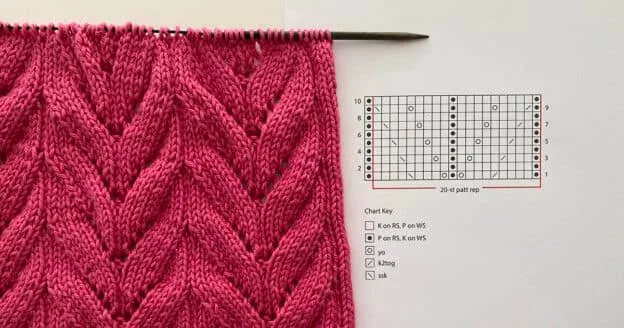
3) Reading from charts is WAY easier than written instructions
I understand that some folks still prefer written instructions, and for some things they’re absolutely necessary.
However, learning to read charts is truly one of the most useful skills a knitter can master.
Not only does it simplify long rows of written text into easy to identify symbols, but they also help you learn to read your work!
4) Continental is more efficient than English style
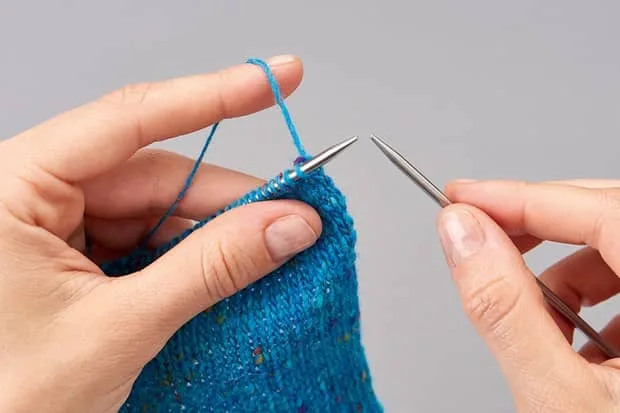
I have gotten better at continental style knitting in recent years, mostly as a way to knit stranded colorwork.
But had I known then what I know now, I would have learned to knit Continental style first.
It is less straining on the hands and the economy of movement allows you to knit faster for longer.
5) Knitting a sweater is not as difficult as you think
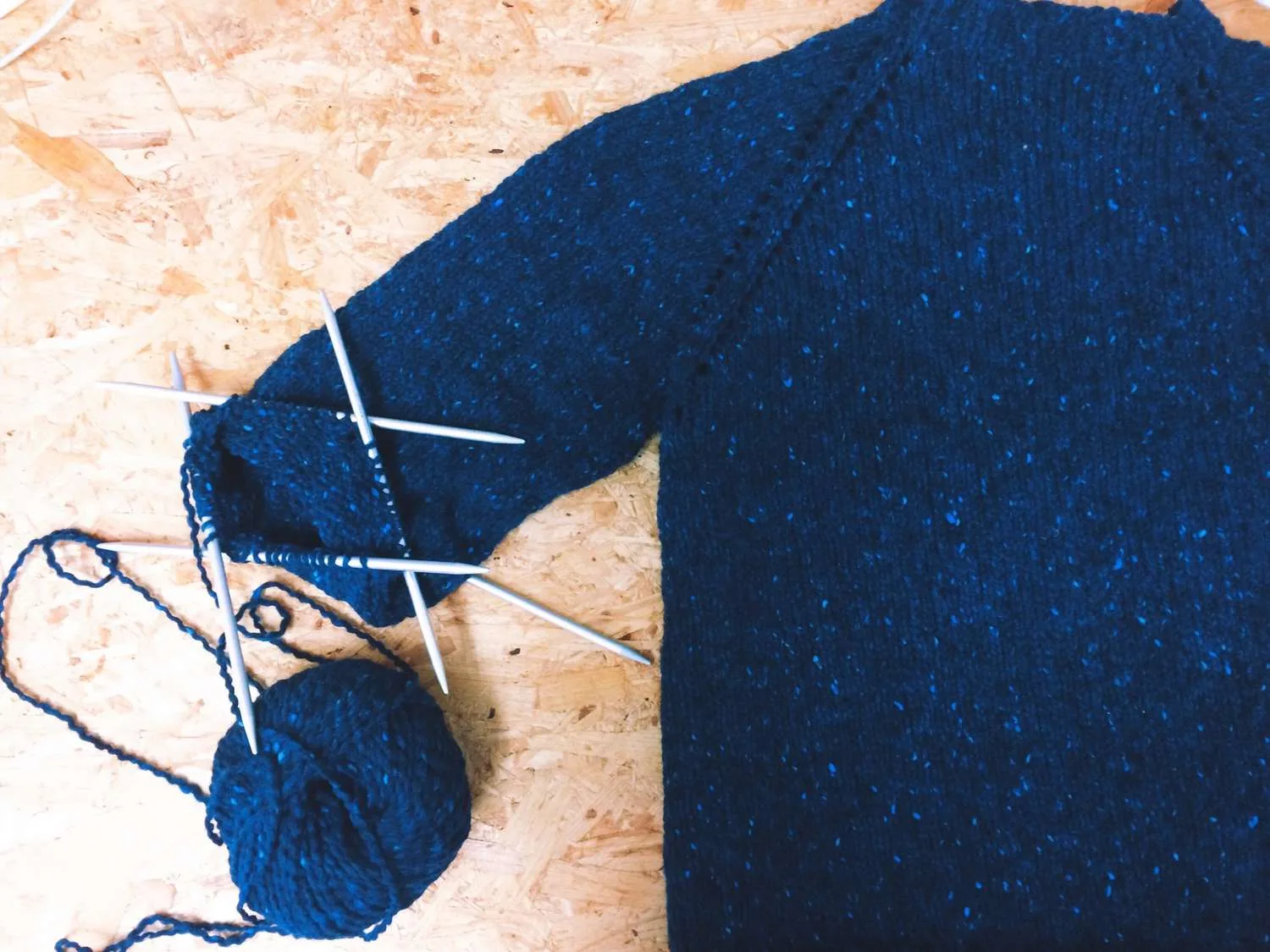
The whole reason I started knitting was to make a sweater.
Unfortunately it was almost two years before I finished one on my own.
The truth is, if you can knit a hat, you have all the skills necessary to knit a simple sweater.
6) Don’t buy yarn because it’s pretty, buy it for a specific project
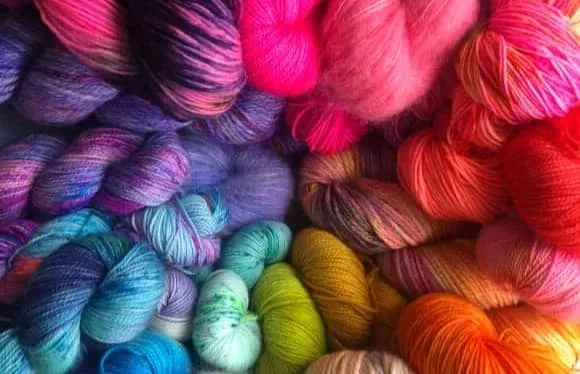
My first couple years knitting I bought every pretty skein of yarn I could afford.
The problem was I had no plan for that yarn.
Some of it is still sitting there, 10+ years later, waiting for me to figure out what to do with it. 😅
These days I mostly buy yarn when I have something specific I want to make.
It keeps my stash from getting out of hand.
But I do make exceptions for when I’m traveling. My collection of hand dyed sock yarn keeps growing, even though I rarely knit socks!
7) You don’t have a problem finishing things, you just don’t knit consistently
Productive knitters do something that many knitters have trouble with.
They have a knitting habit.
It’s not that they only work on one project until it’s done.
Their secret is they knit EVERY day.
If you sit down for 30 minutes to an hour (or more) every day you’re going to get A LOT of knitting done.
And eventually you’ll finish quite a few projects along the way.
Conclusion
There are a lot of thing I wish I knew before I started knitting, but these are the ones I think are most important.
What do you wish you knew before you started knitting?