Draft
Cast-Ons
How a piece begins. The edge you cast on sets how the whole thing looks and stretches.
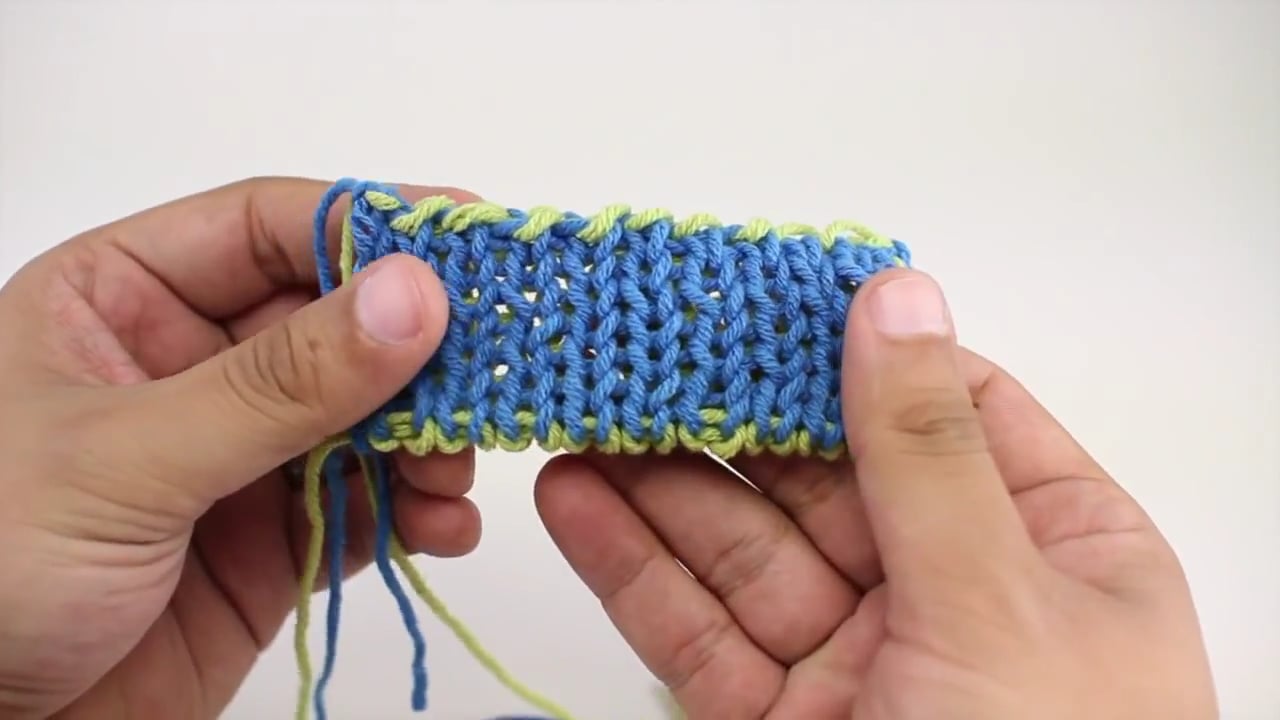
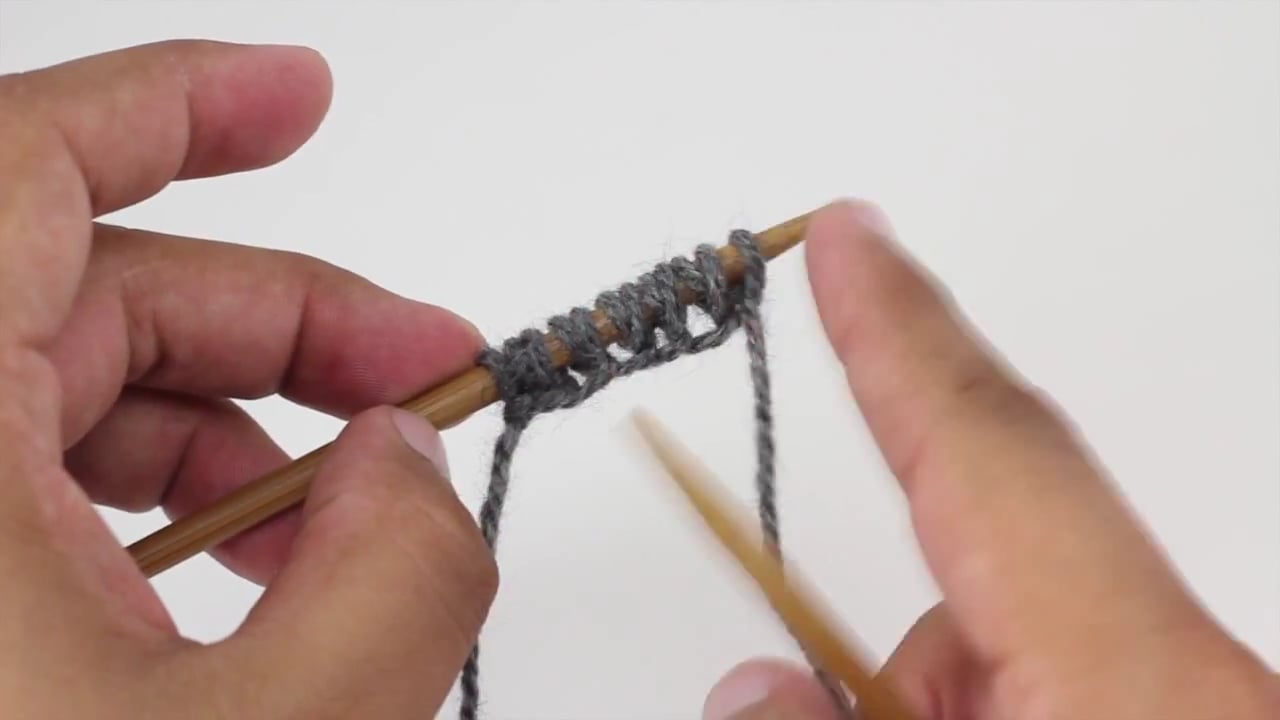
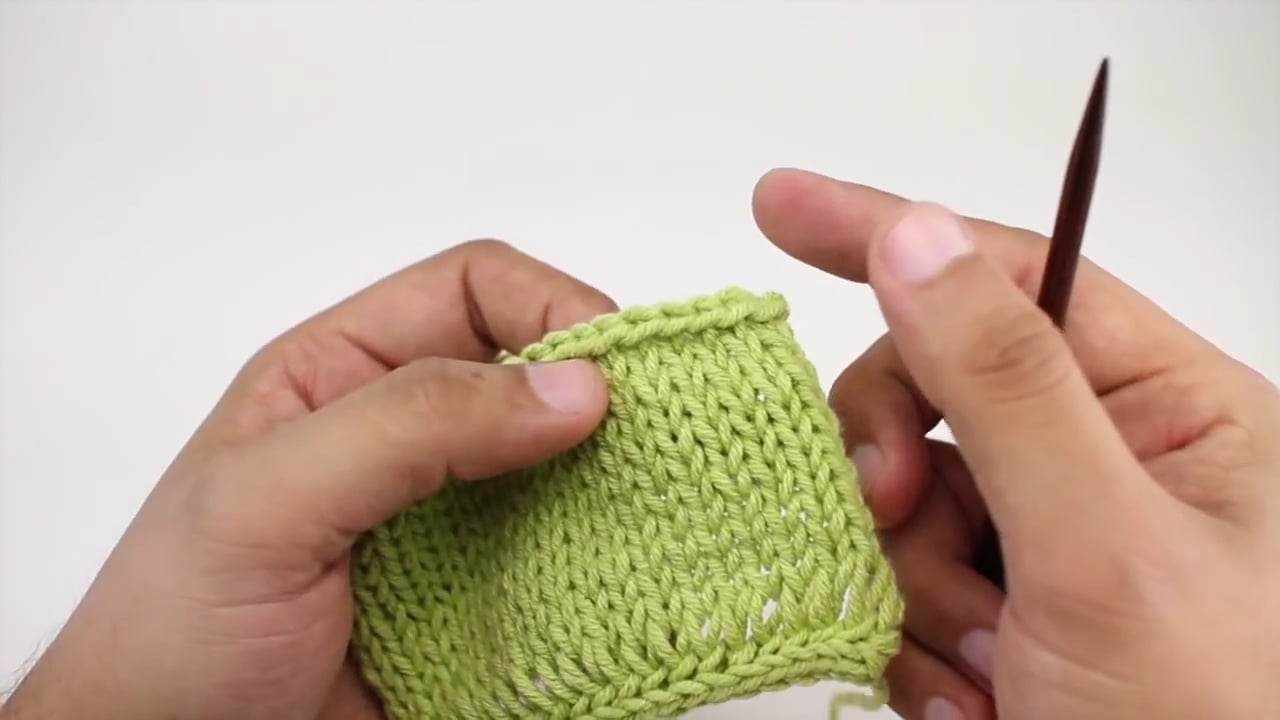
A cast on puts the first row of stitches on the needle. That is all it has to do, which is why the simplest one works for most things. The reason there are so many is that the edge it leaves behaves differently each time: firm or stretchy, plain or decorative, there for good or there to be undone.
Choosing comes down to two questions. What does the edge have to do, stretch over a heel, stay firm under a button band, match a bind off at the other end? And what does it have to look like, since the edge is the first thing anyone sees?
If you only ever learn one, learn the long tail. It is quick, it looks good, and it stretches enough for most things. Learn a ribbing cast on next, because cuffs and hems are where the everyday one shows its limits. Everything else here is for a particular job, and the families below say which.
Which one?
- Almost anything, and you only want to learn oneLong Tail Cast On
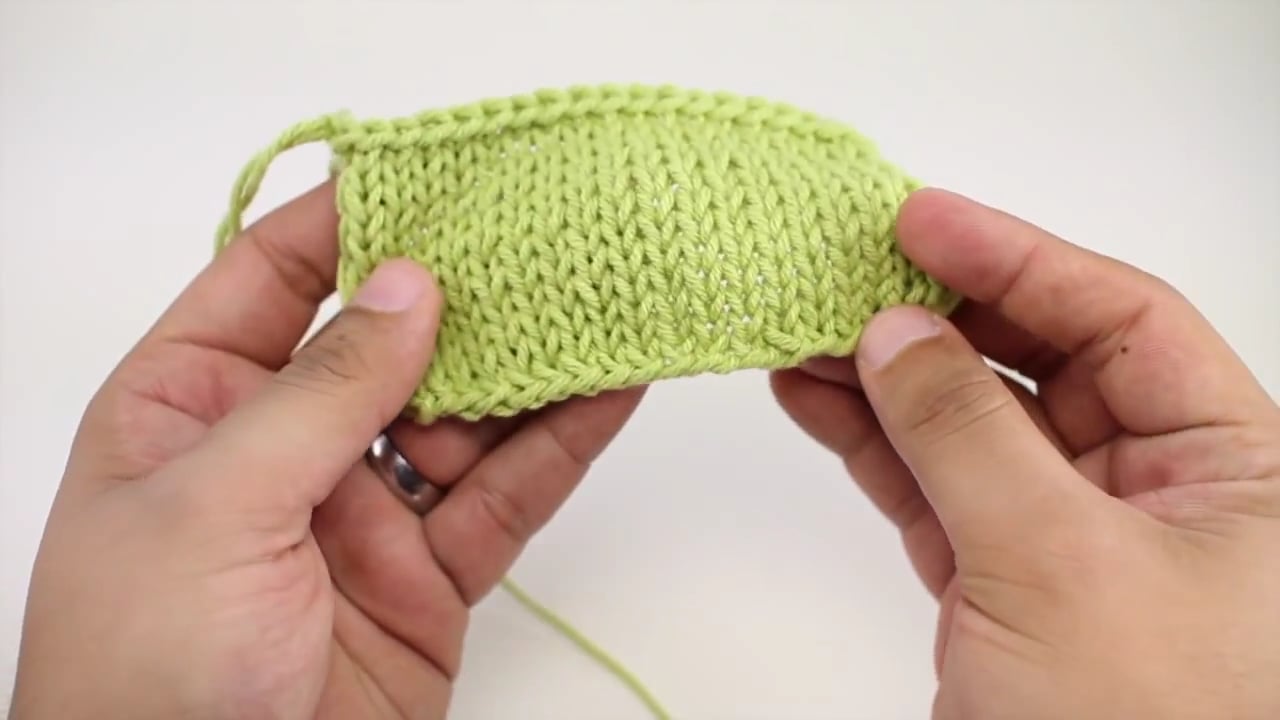
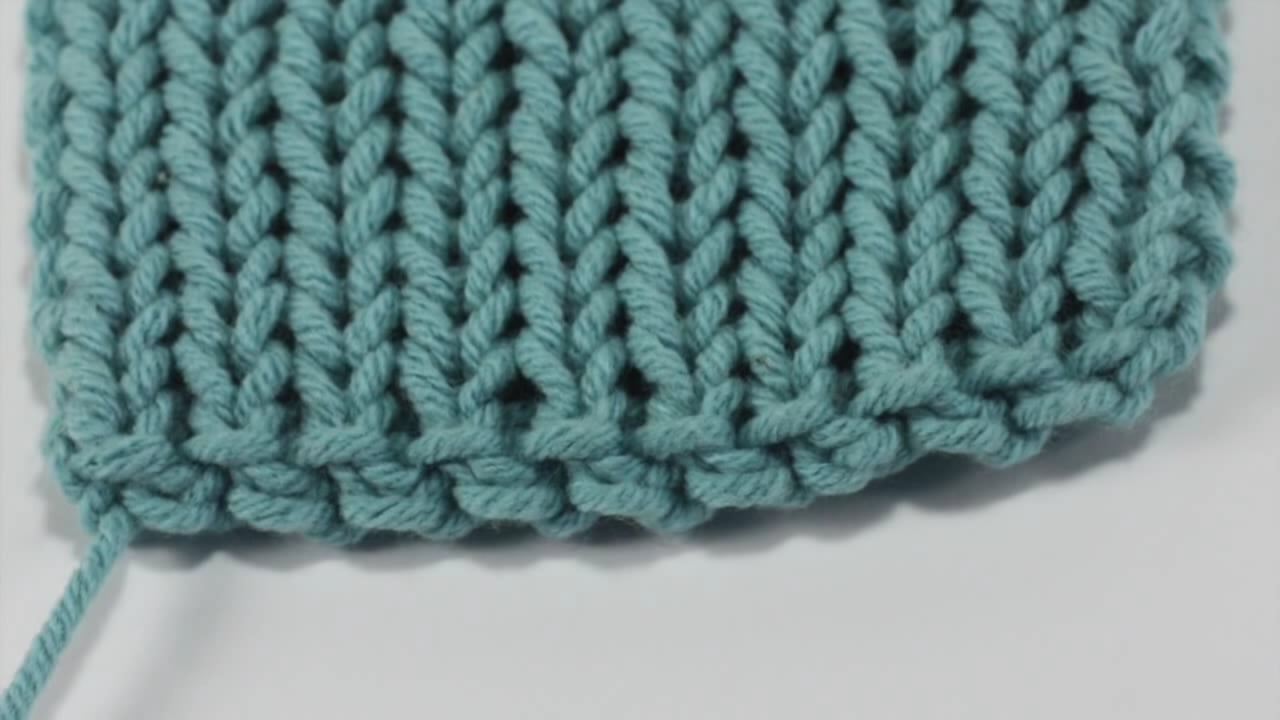
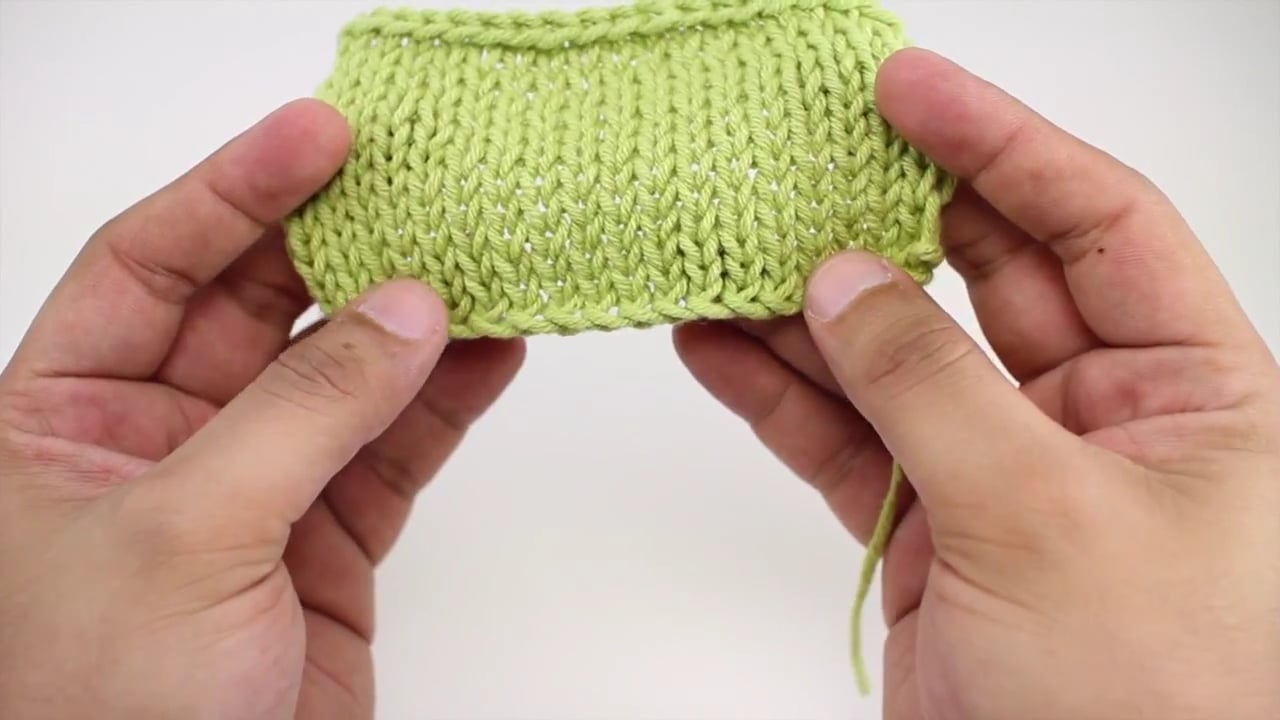
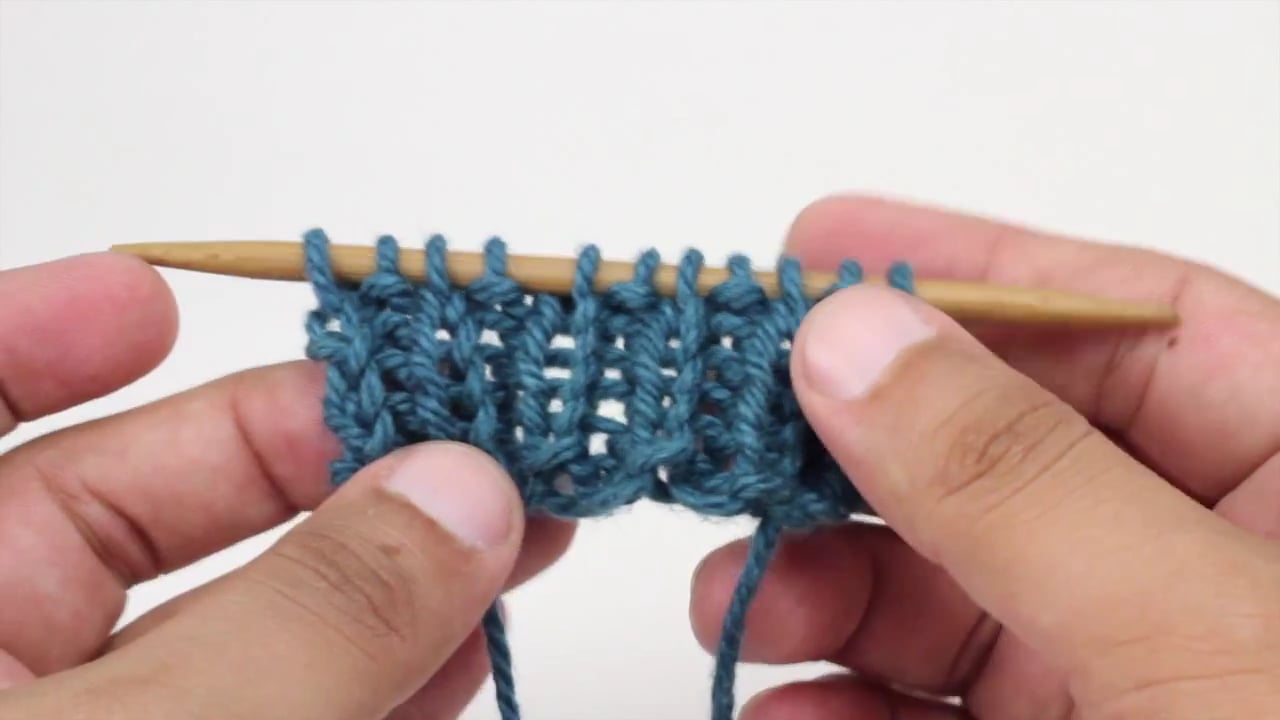
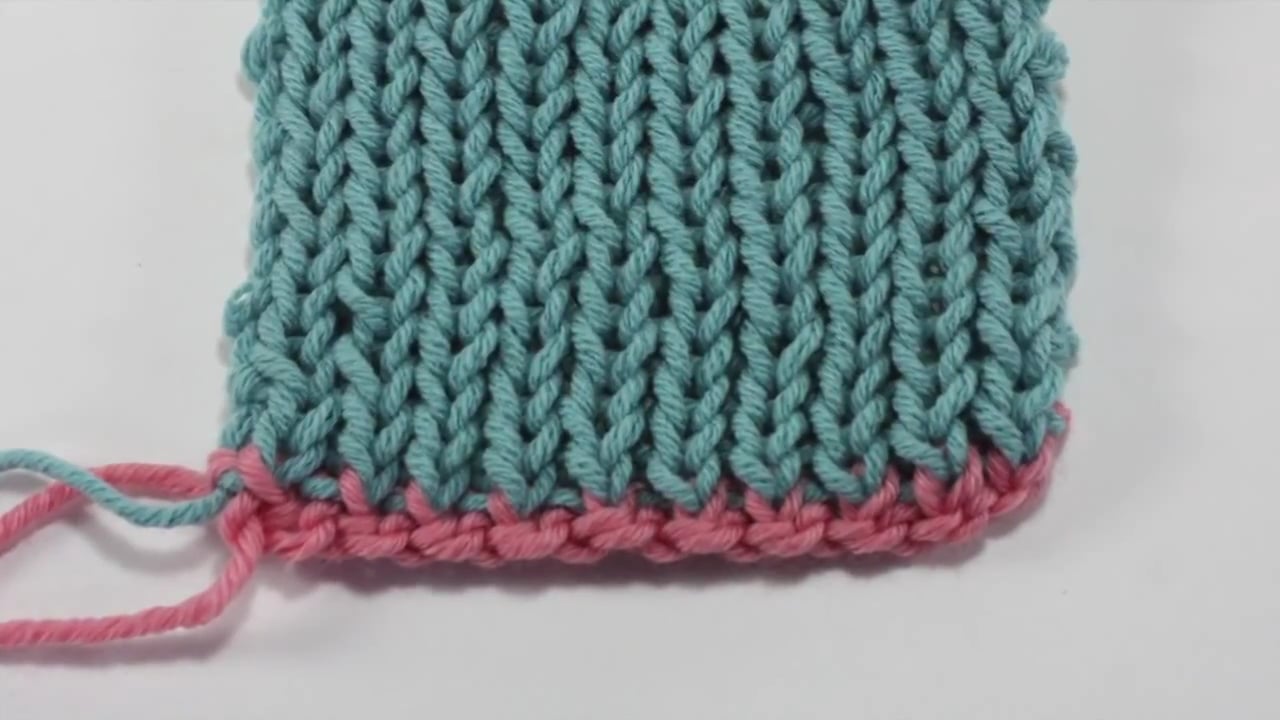
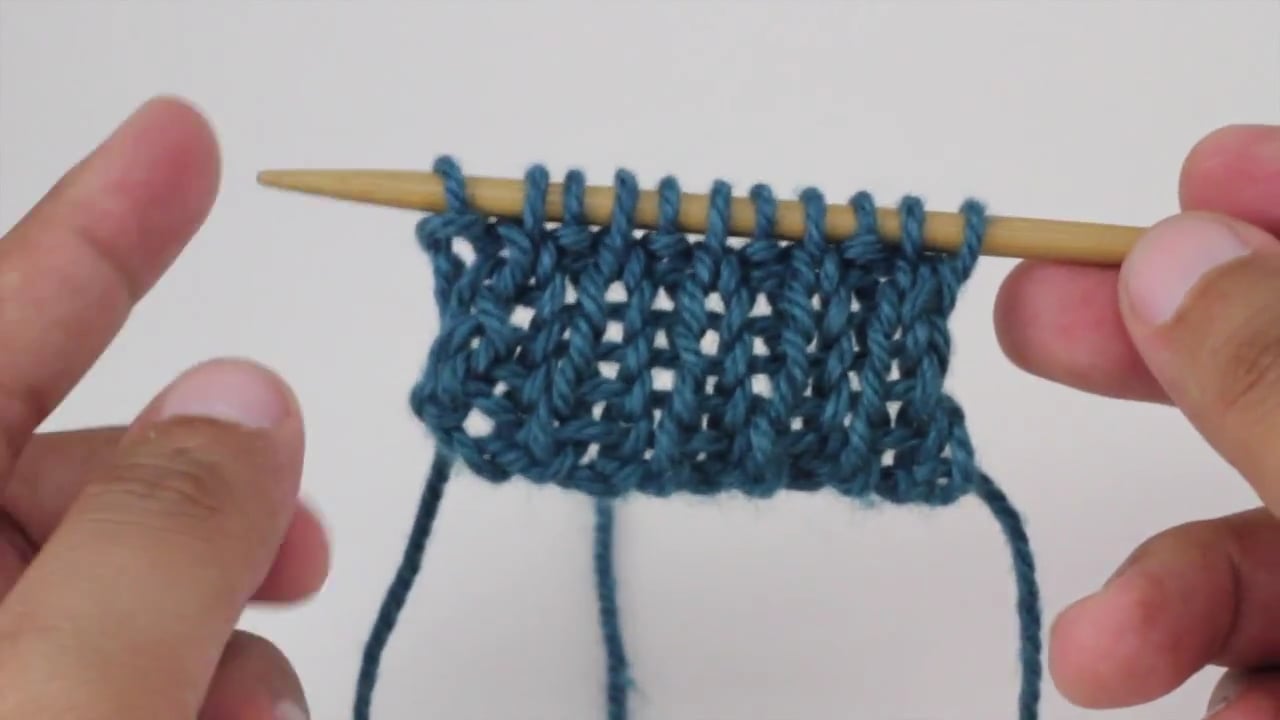
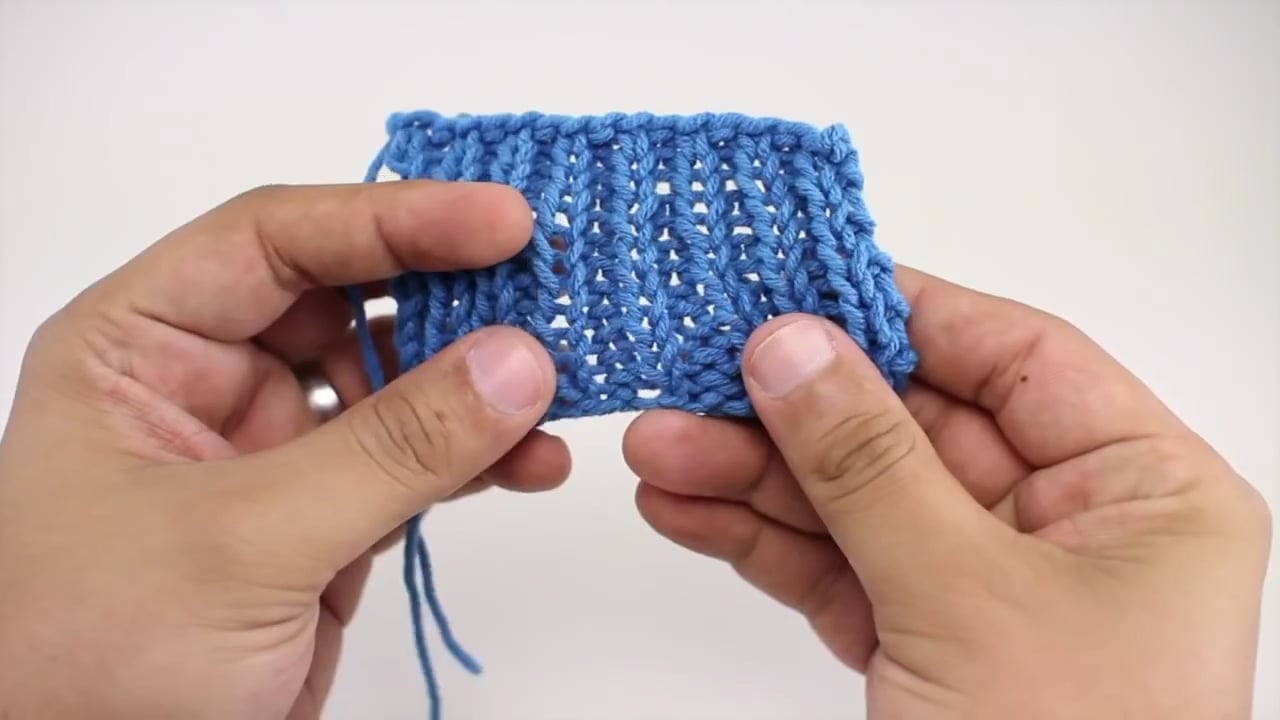
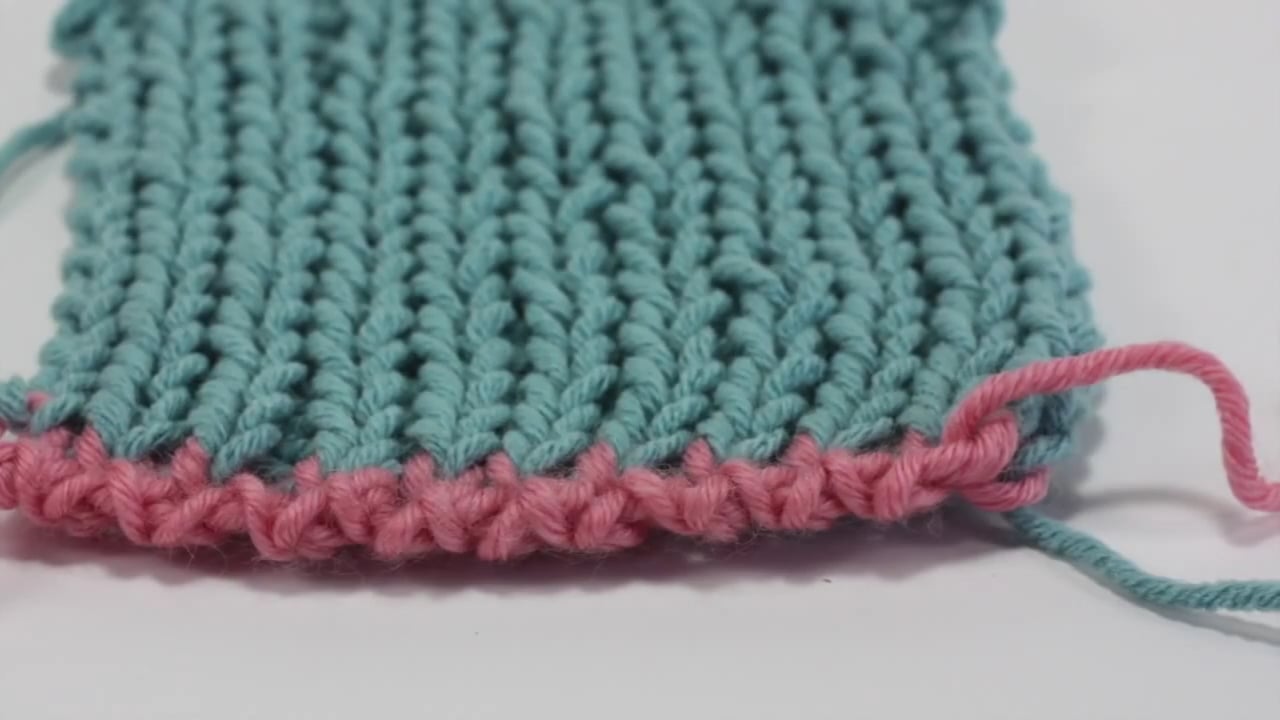
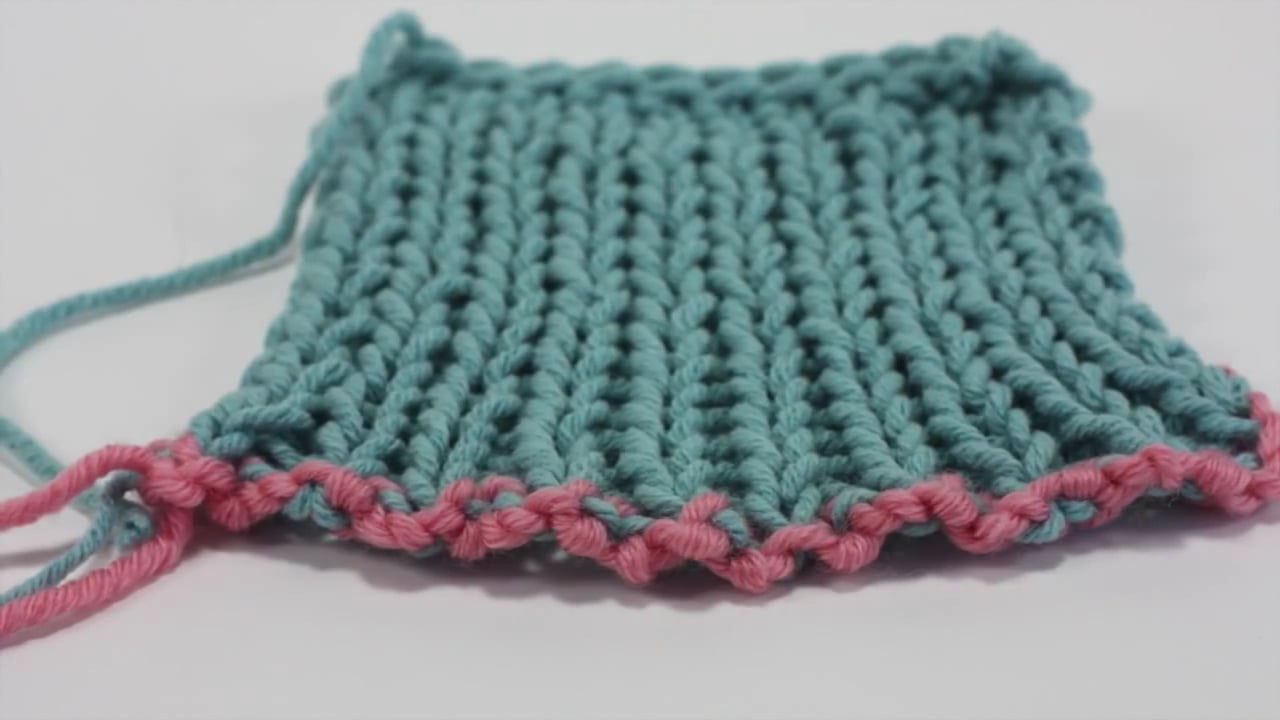
- A cuff or hem in ribbing that has to stretchItalian Cast On
- A sock cuff that has to go over a heelSuper Stretchy Cast On
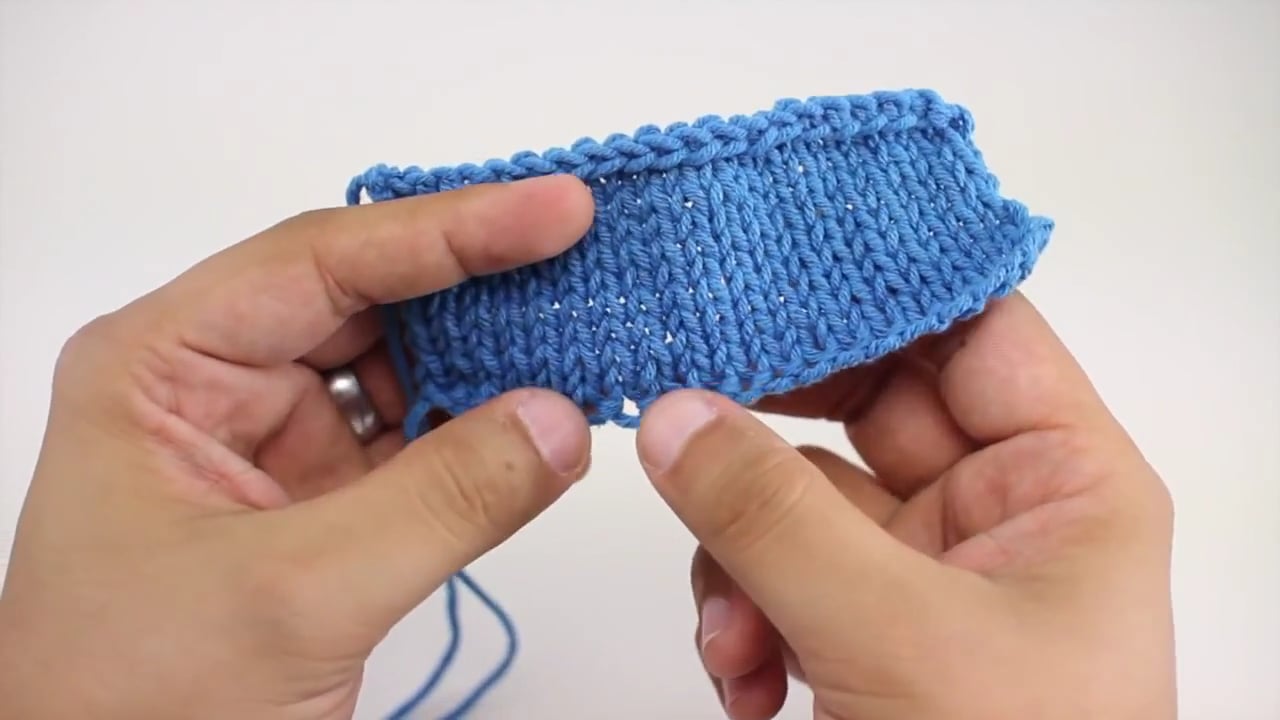
- A firm edge that should not stretchCable Cast On
- Stitches added in the middle of a rowBackwards Loop Cast On
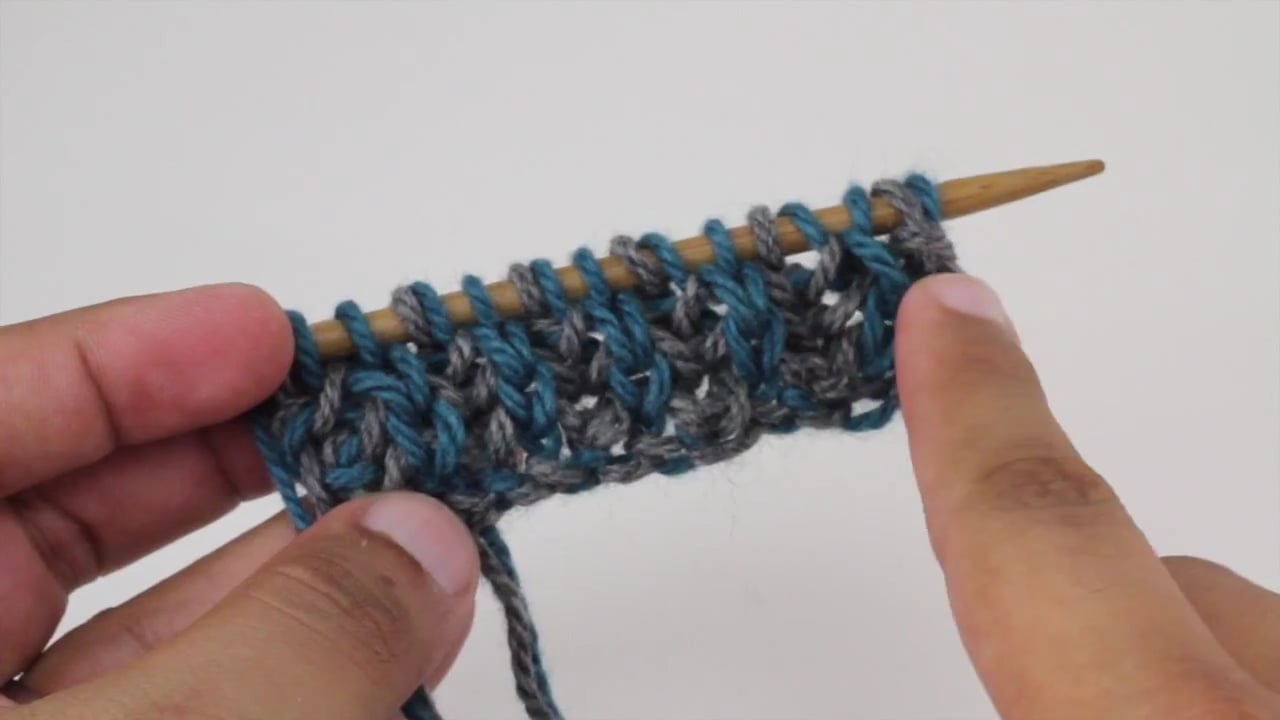
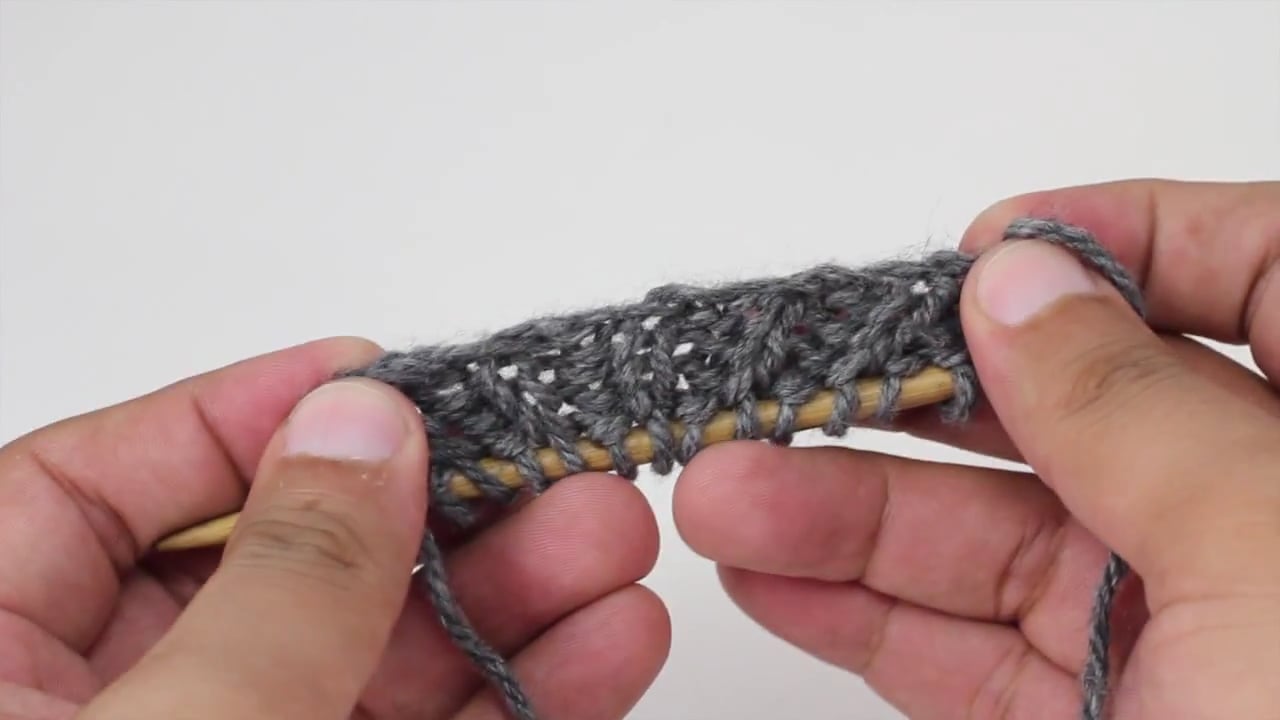
- An edge you will undo later to knit the other wayCrochet Provisional Cast On
- A piece that starts from the centreEmily Ocker Cast On
- An edge that is part of the designI-Cord Cast On
Getting Started
What you need and the habits that make every cast on easier.
Cast Ons for Beginners
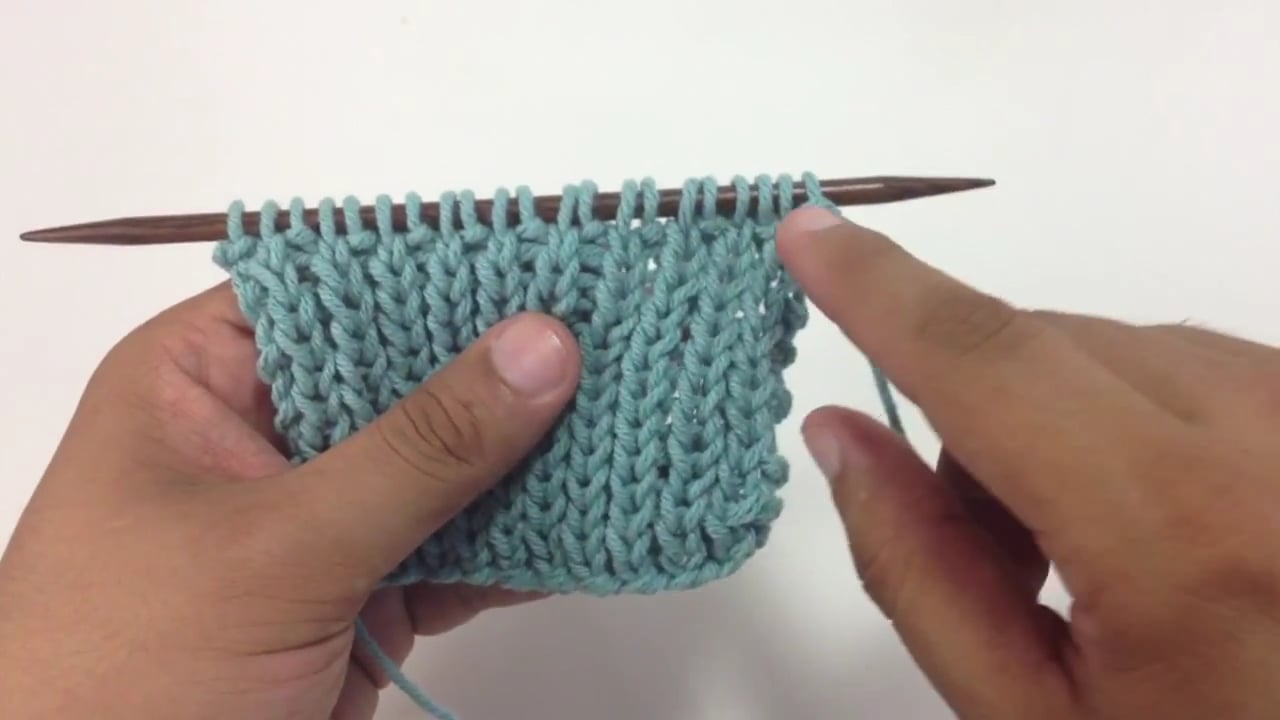
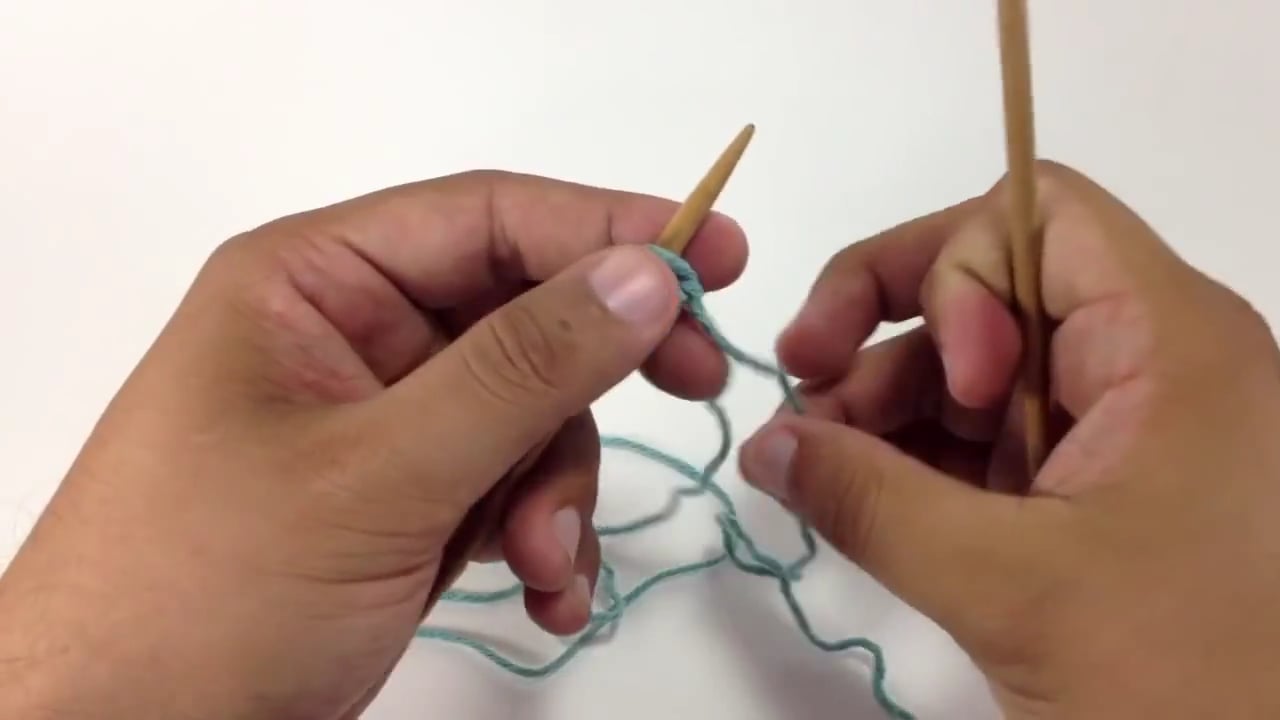
The first cast ons to learn. Simple, forgiving, and good enough for most projects.
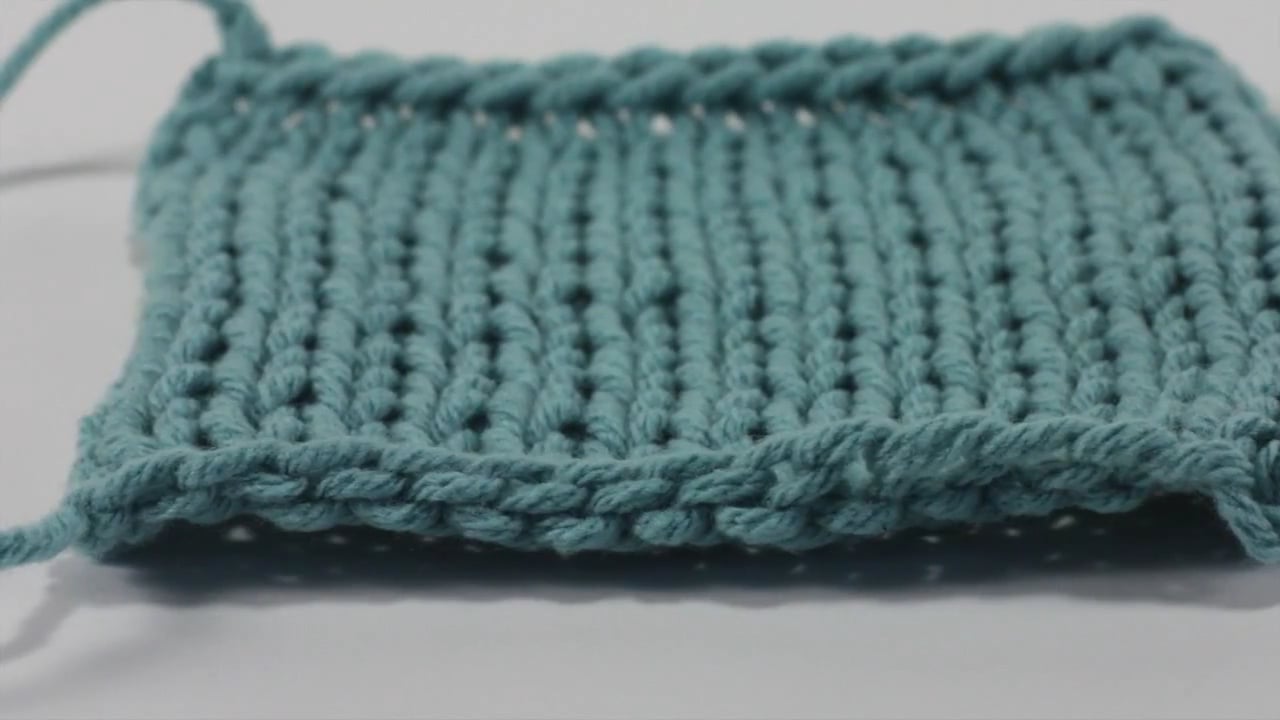
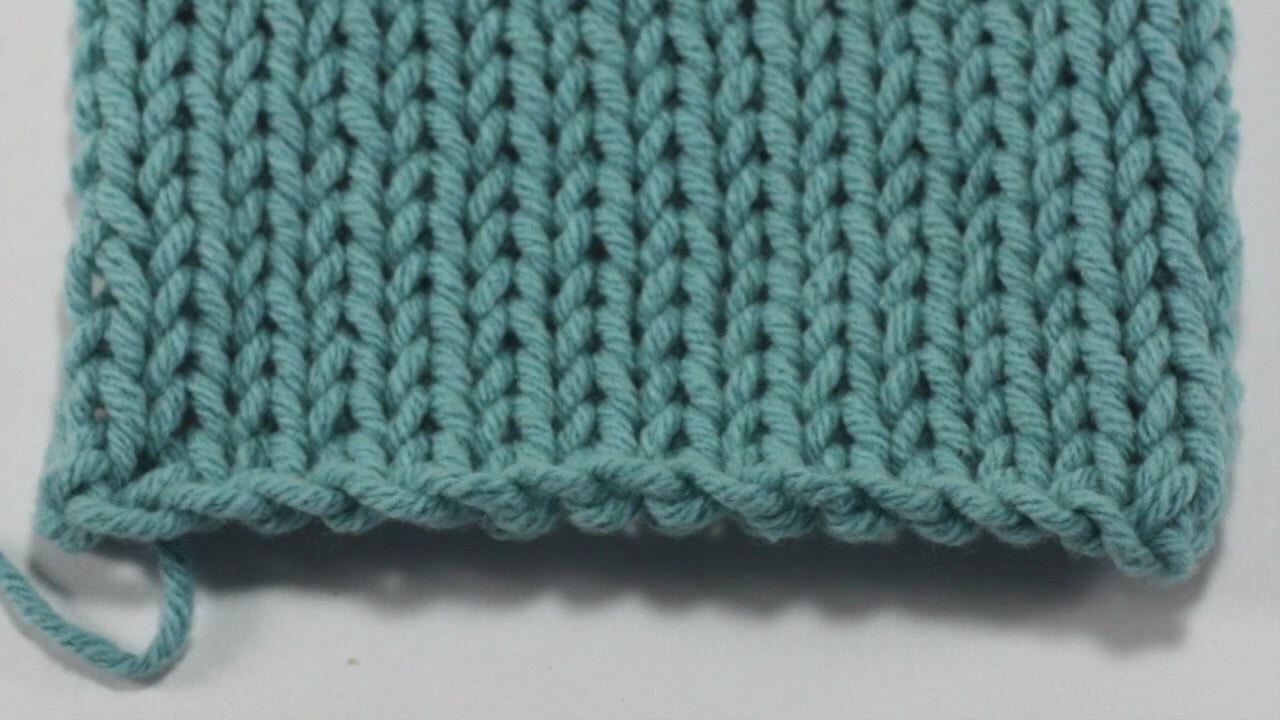
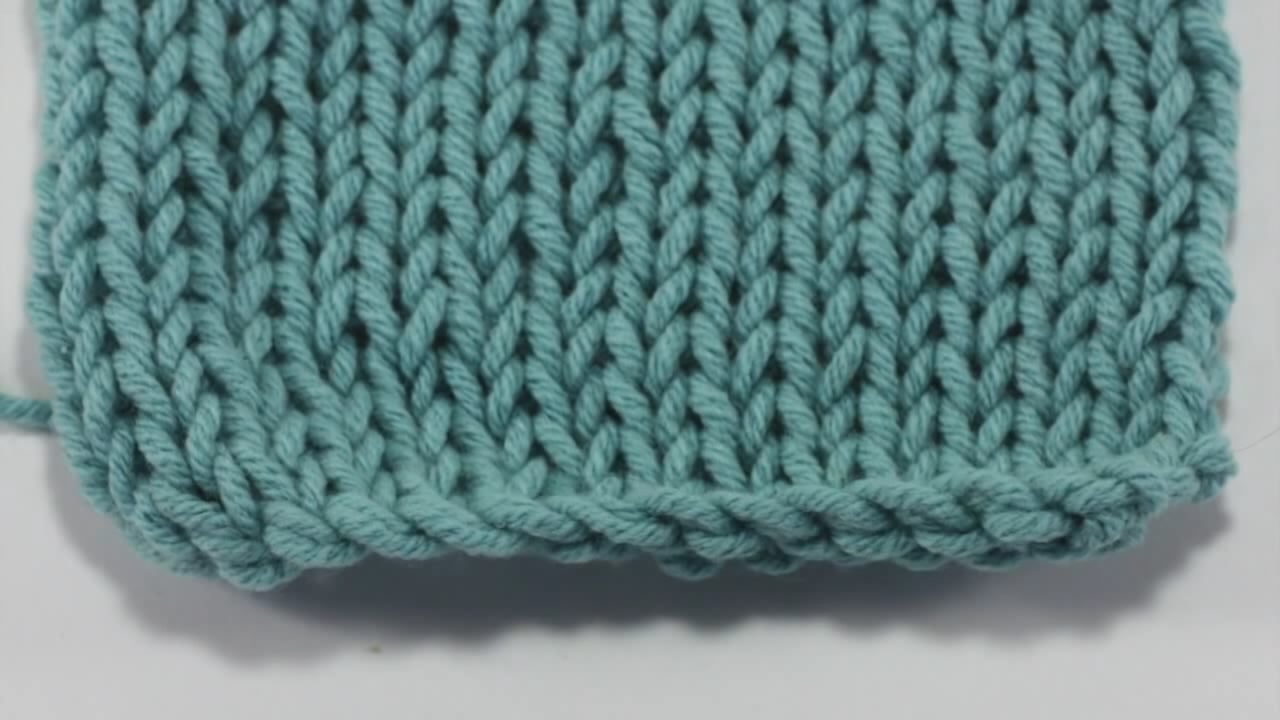
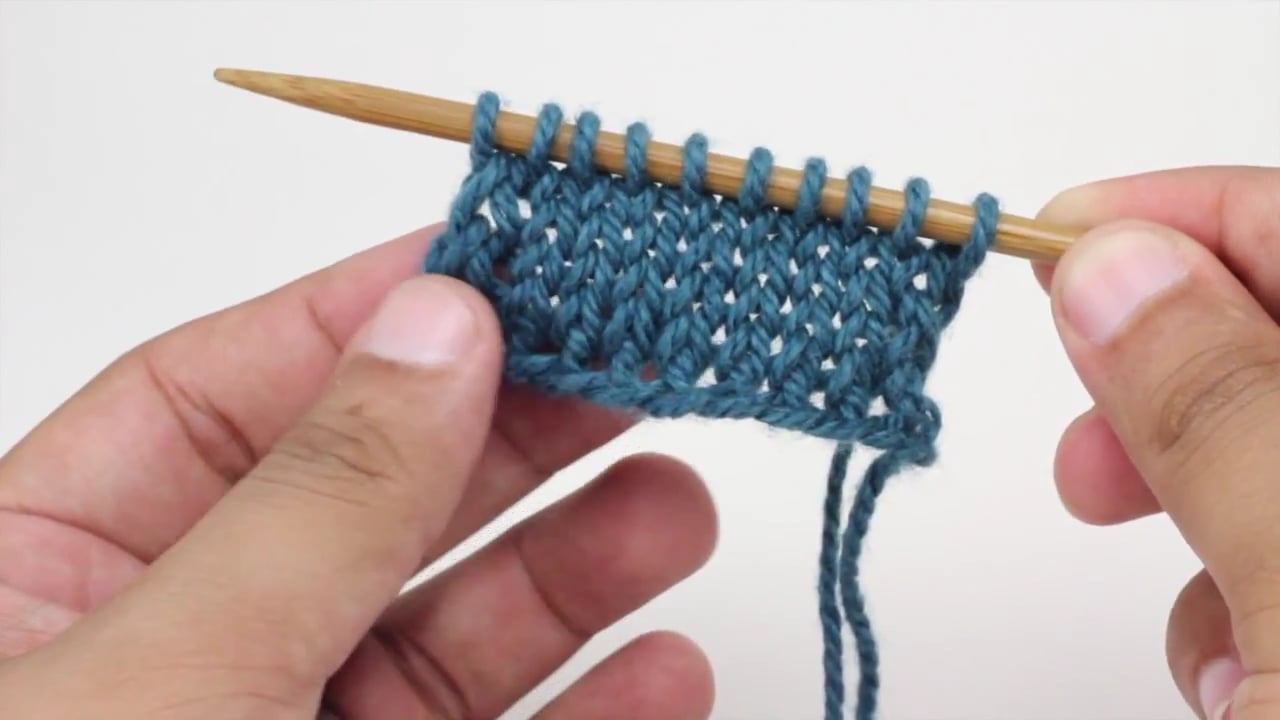
Long Tail Cast Ons
The long tail family: one motion, many variations, each with a different edge.
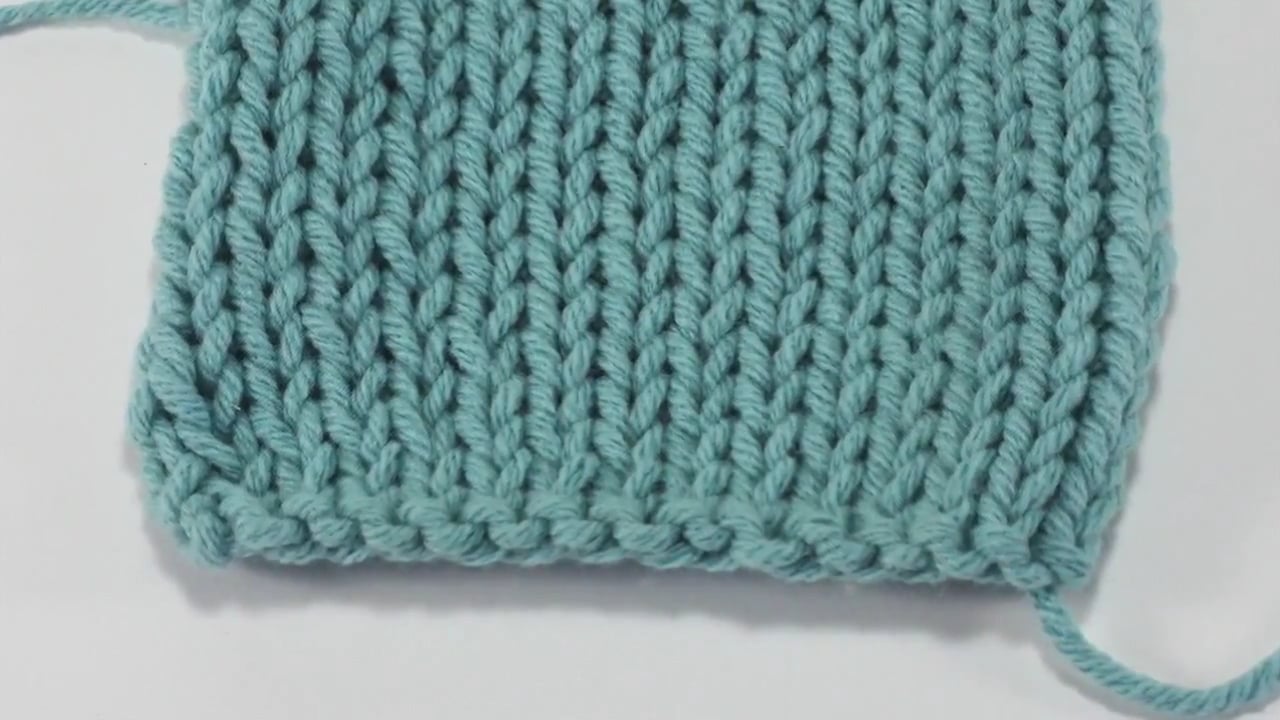
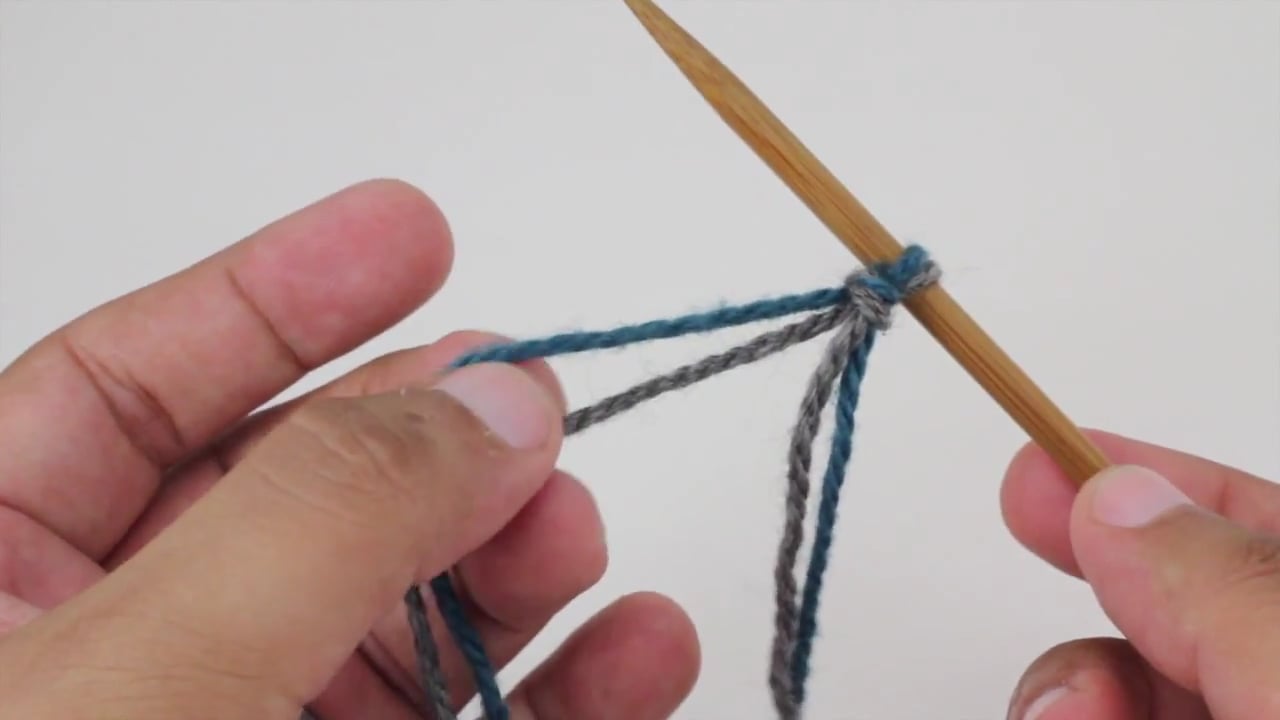
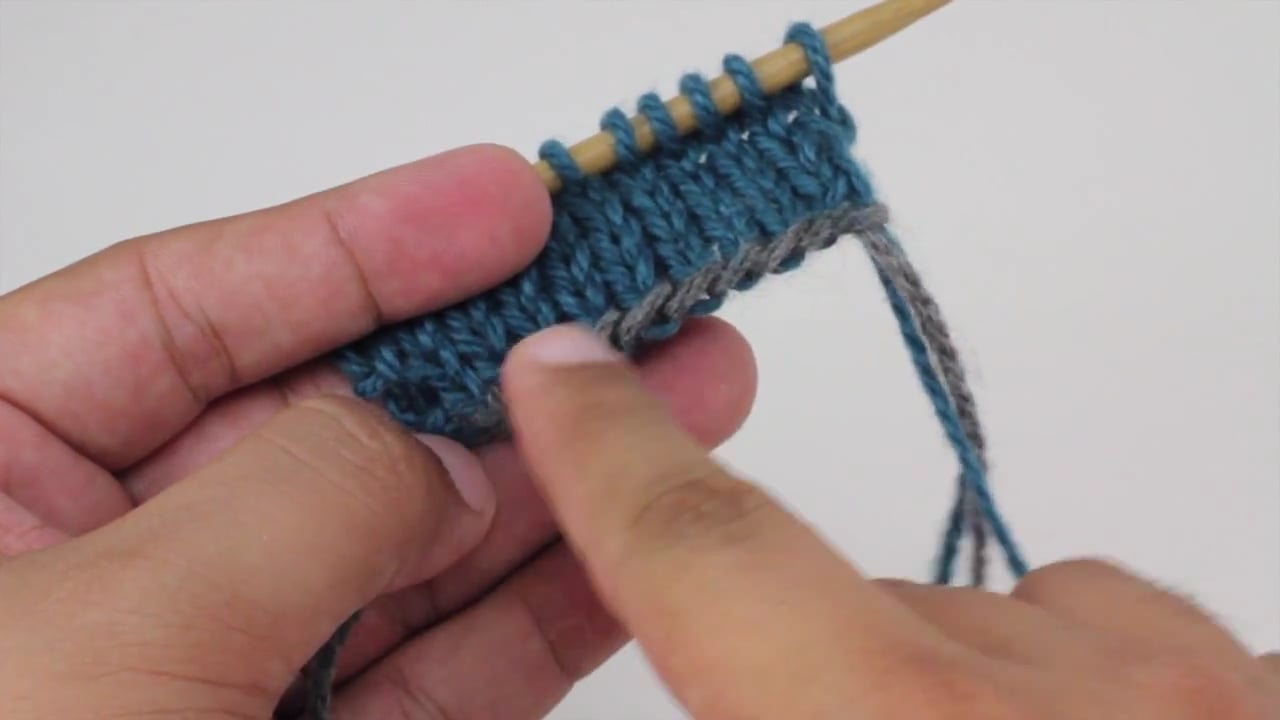
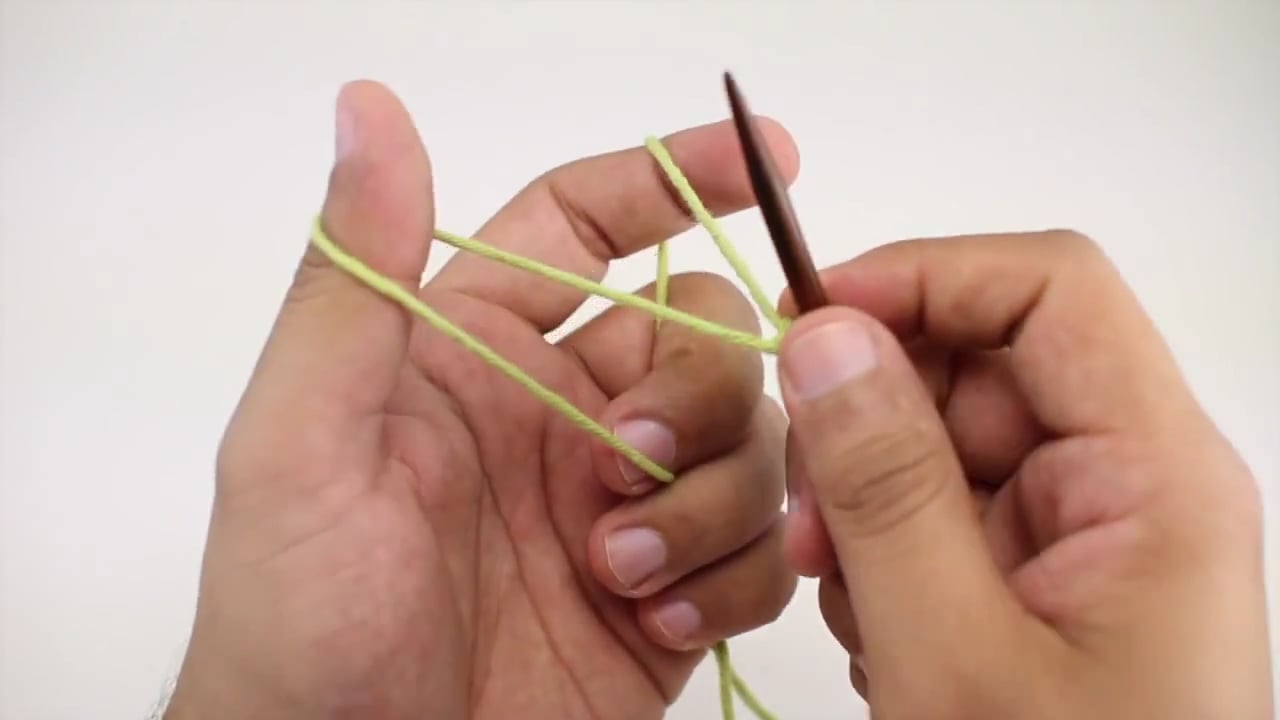
Cast Ons for Ribbing
Stretchy, tidy edges for cuffs, hems and necklines.
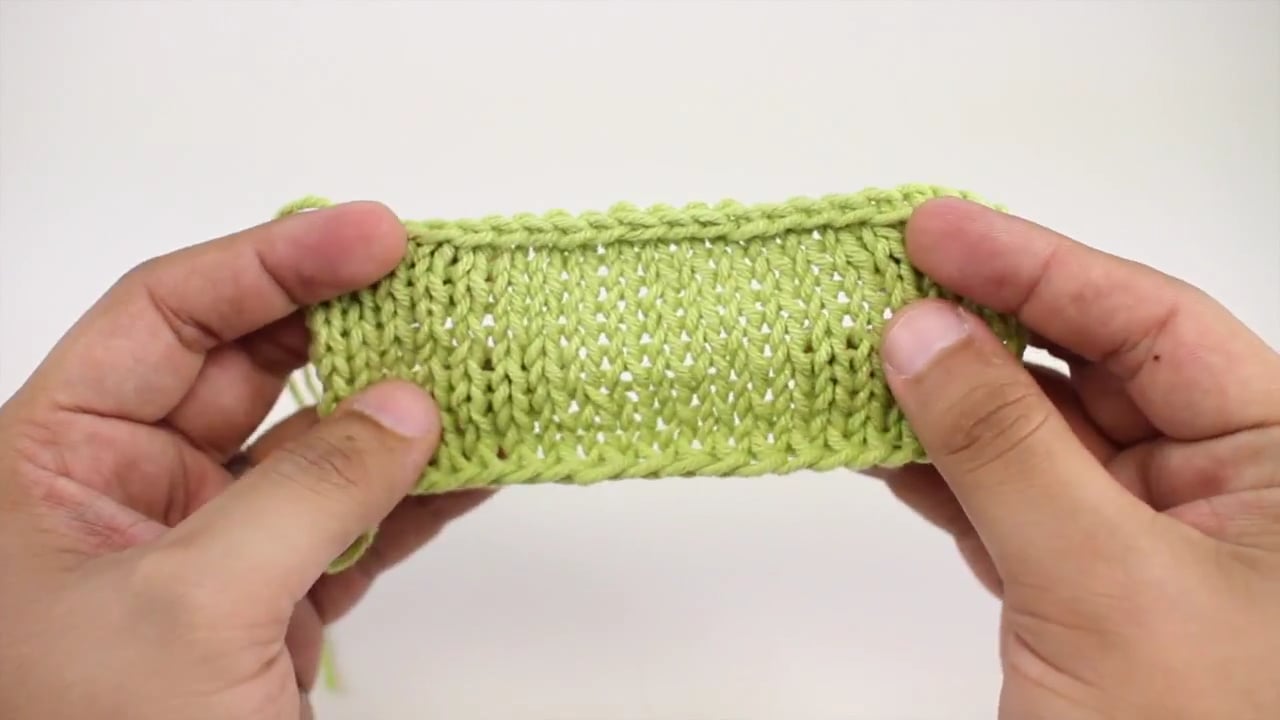
Provisional Cast Ons
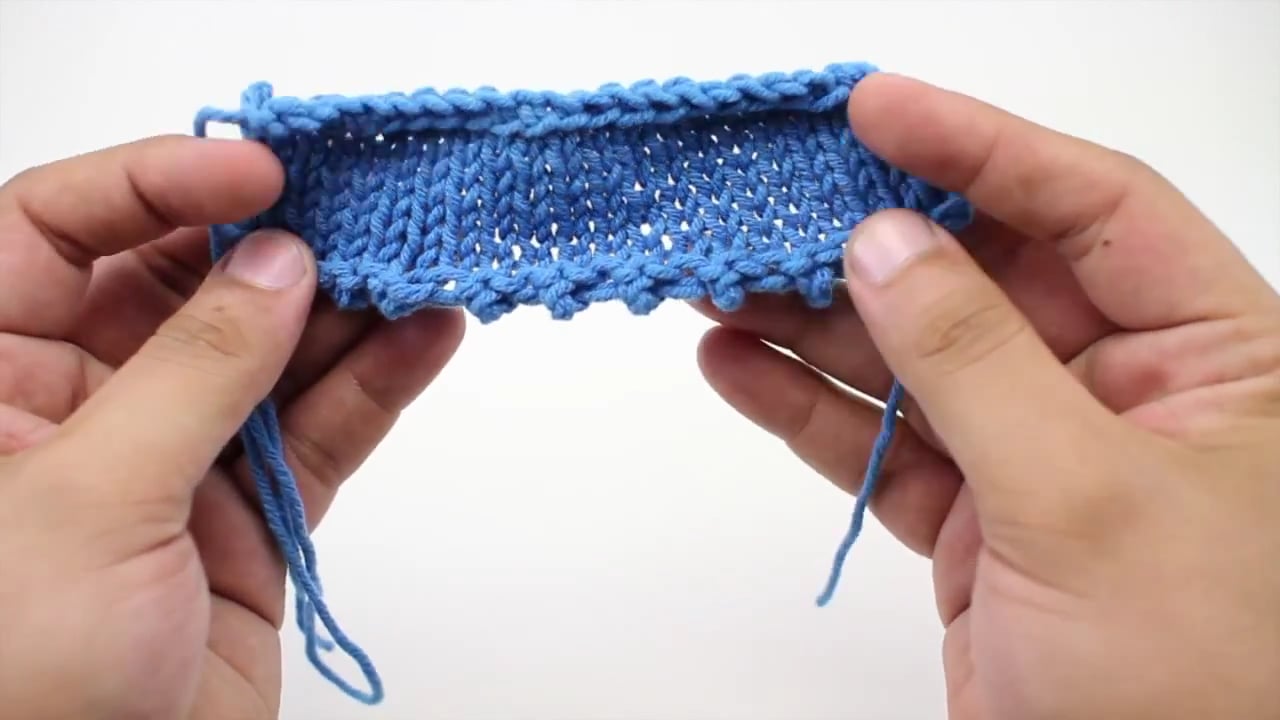
A temporary edge, so you can come back and knit the other way.
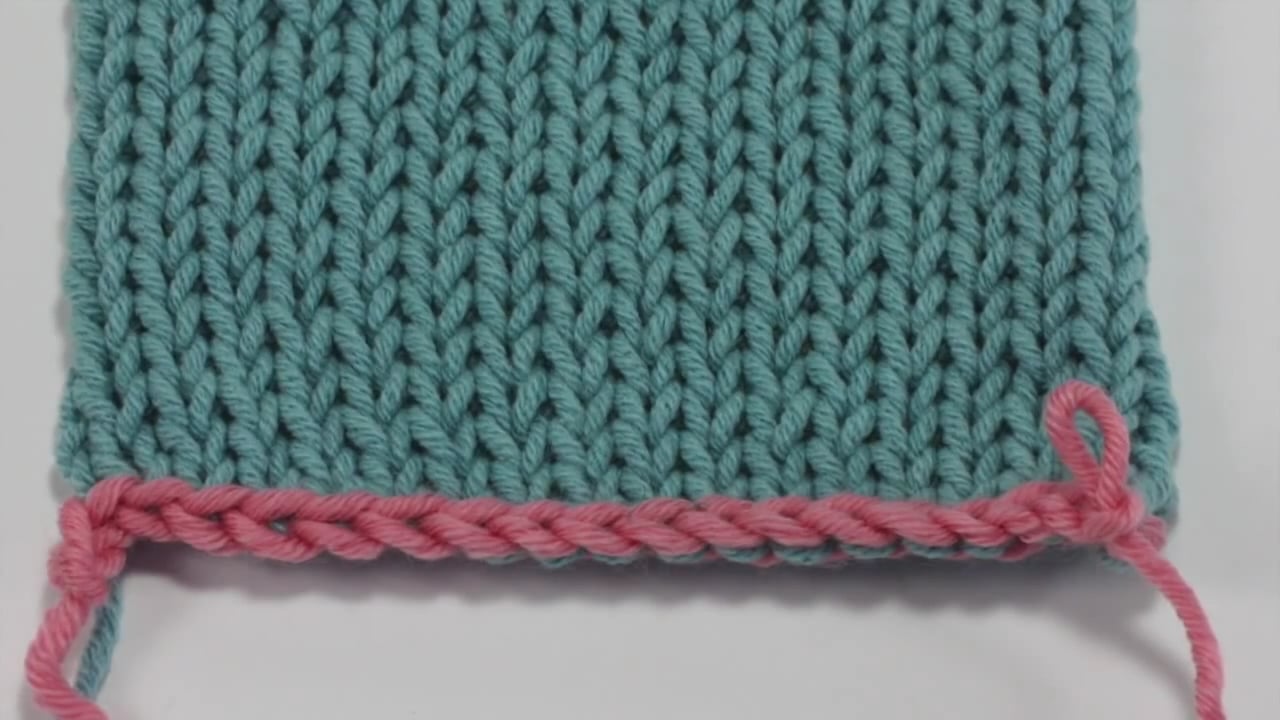
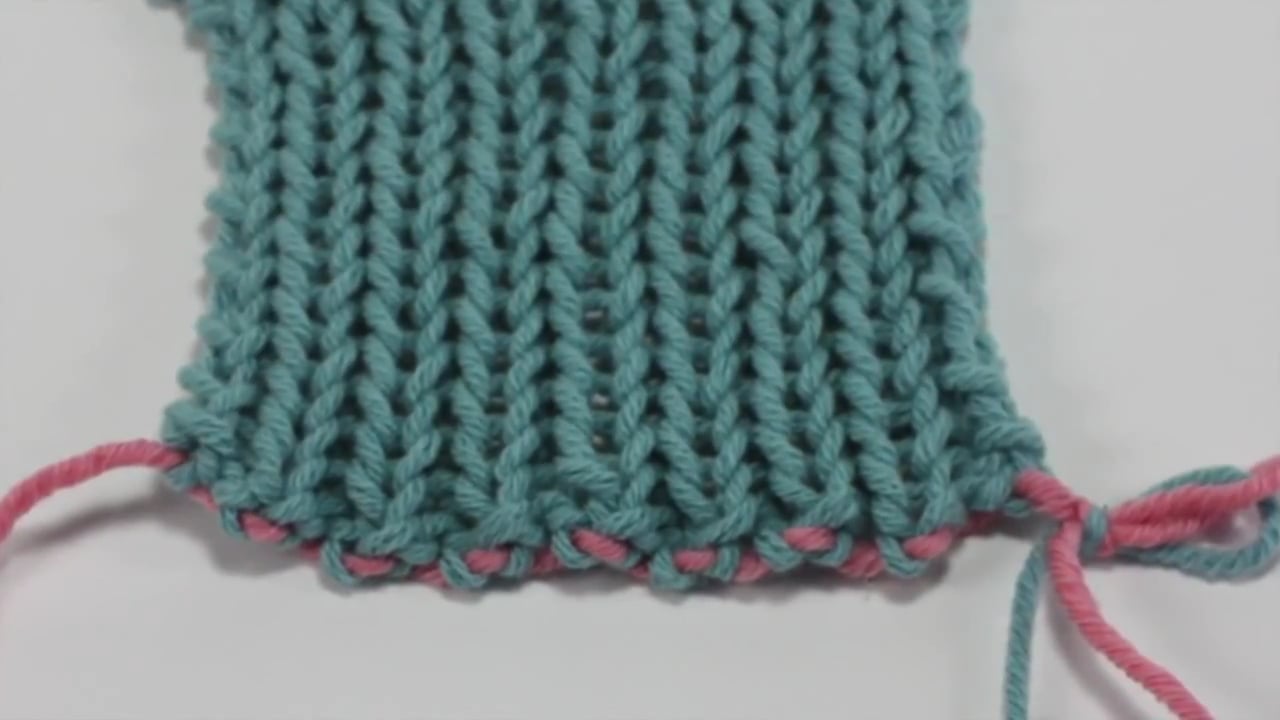
Unique Cast Ons
For the odd situations: starting in the middle of a row, or from a closed centre.