Draft
Bind-Offs
How a piece ends. The right bind off matches the cast on and keeps the edge doing its job.
A bind off takes the stitches off the needle and locks them so the piece cannot unravel. The plain one, knit two and pass the first over the second, is what most patterns mean when they say bind off, and it is fine where the edge does not need to stretch.
The trouble starts at the places that do: a sock cuff, a neckline, the top of a mitten. A plain bind off there is tight, and the edge pulls in. The bind offs in this group each solve one of those problems: stretch to match the cast on, a flat slope where shaping leaves steps, an edge gathered in on purpose, or an edge that finishes the piece with something to look at.
A good rule is to match the ends. A long tail cast on wants a sewn bind off; a tubular cast on wants a tubular bind off; an i-cord cast on wants an i-cord bind off. The method pages say which pair with which.
Which one?
- A stretchy edge to match a long tail cast onElizabeth Zimmerman’s Sewn Bind Off
- A neat, stable edge that holds its shapeInterlock Bind Off
- Shaping bound off over several rows without stair stepsBias Bind Off
- An edge gathered in, for a flare or a pleatOne Over Two Bind Off
- An edge that is part of the designApplied I-Cord Bind Off
Bind Offs for Garment Finishing
Bind offs that match a cast on, lie flat, or stretch with a cuff.
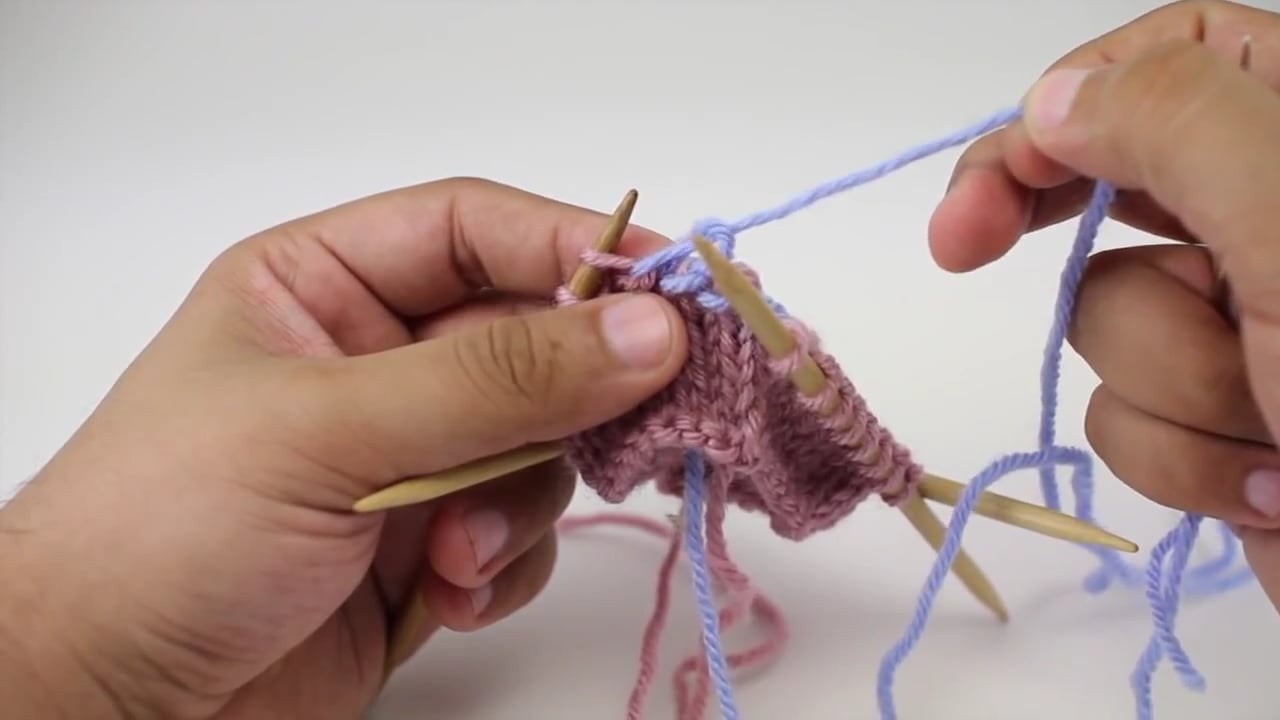
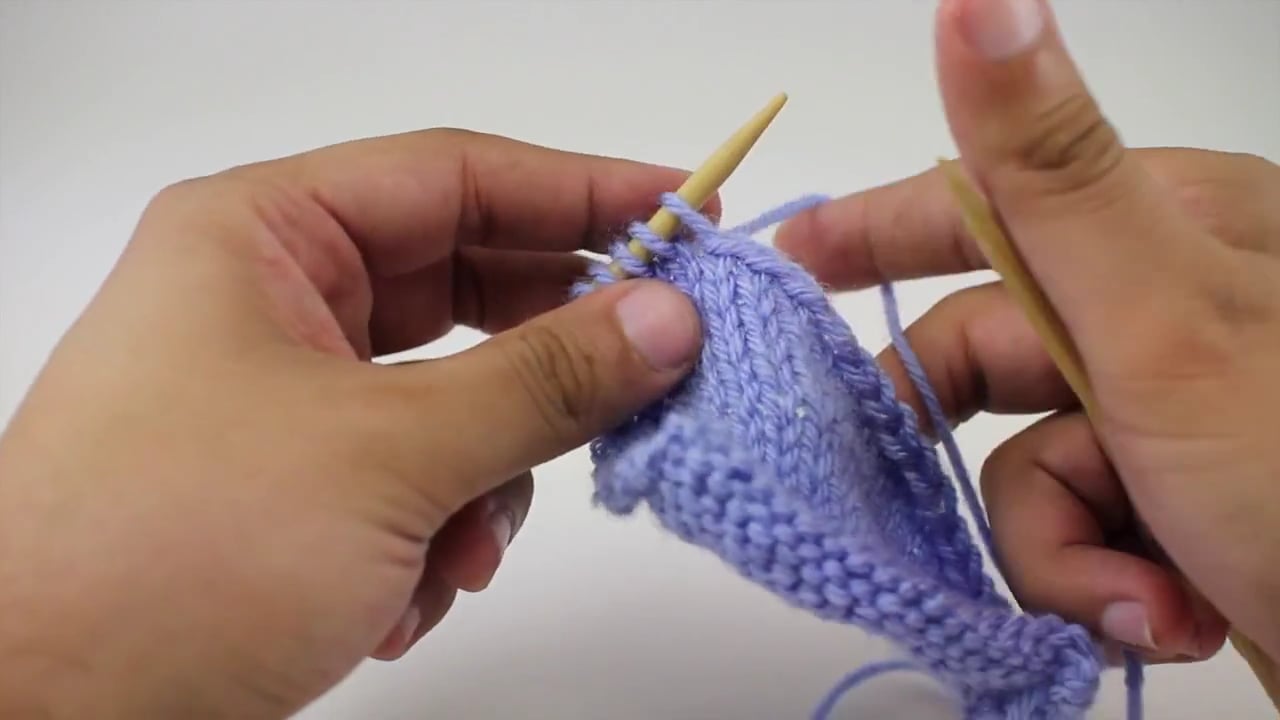
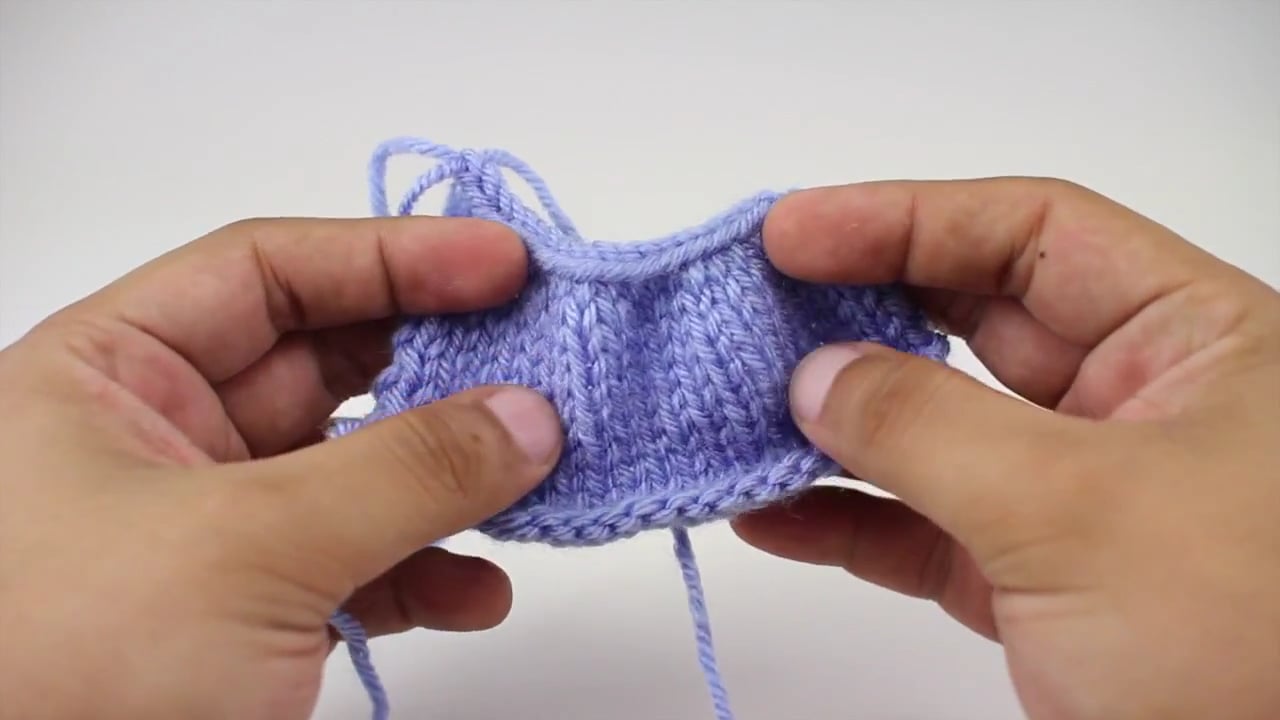
Decorative Bind Offs
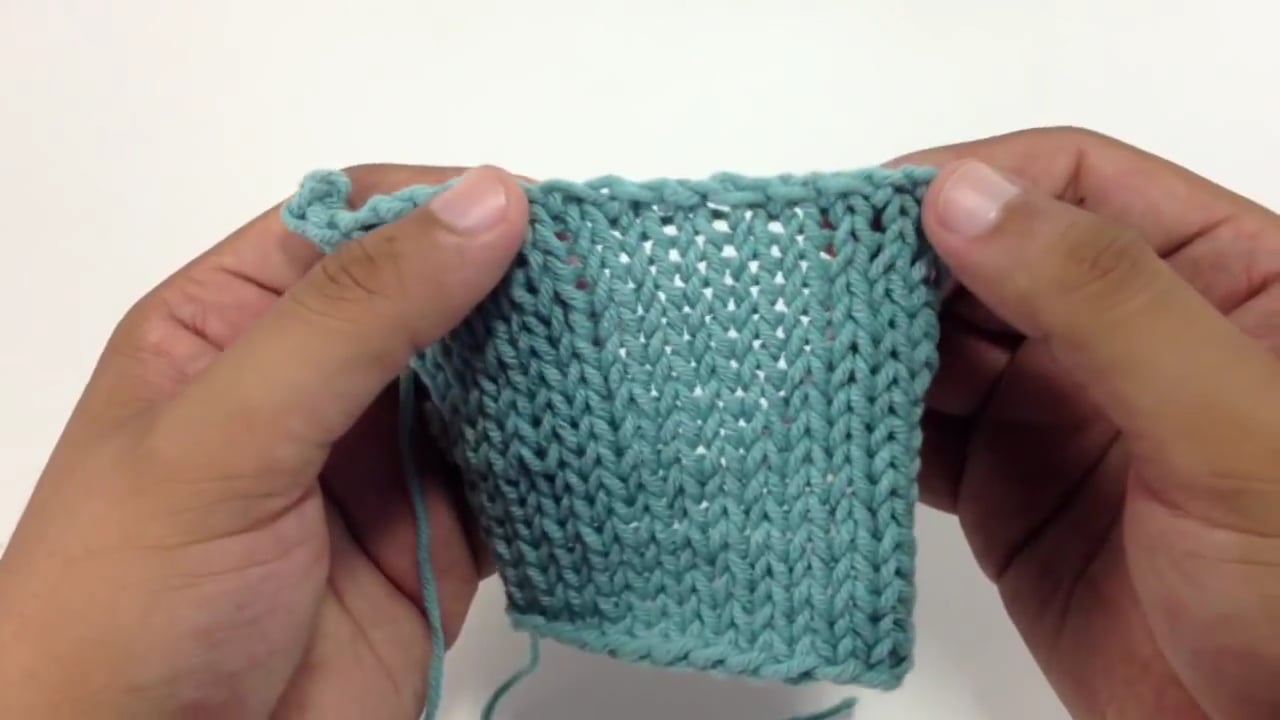
An edge that finishes the piece with something to look at.