Not yet published: imported
Patterns ·
You don't need a knitting pattern
Knitting without a pattern is possible once you know the basic shapes of hats, shawls and sweaters, and these books and a website teach those shapes.
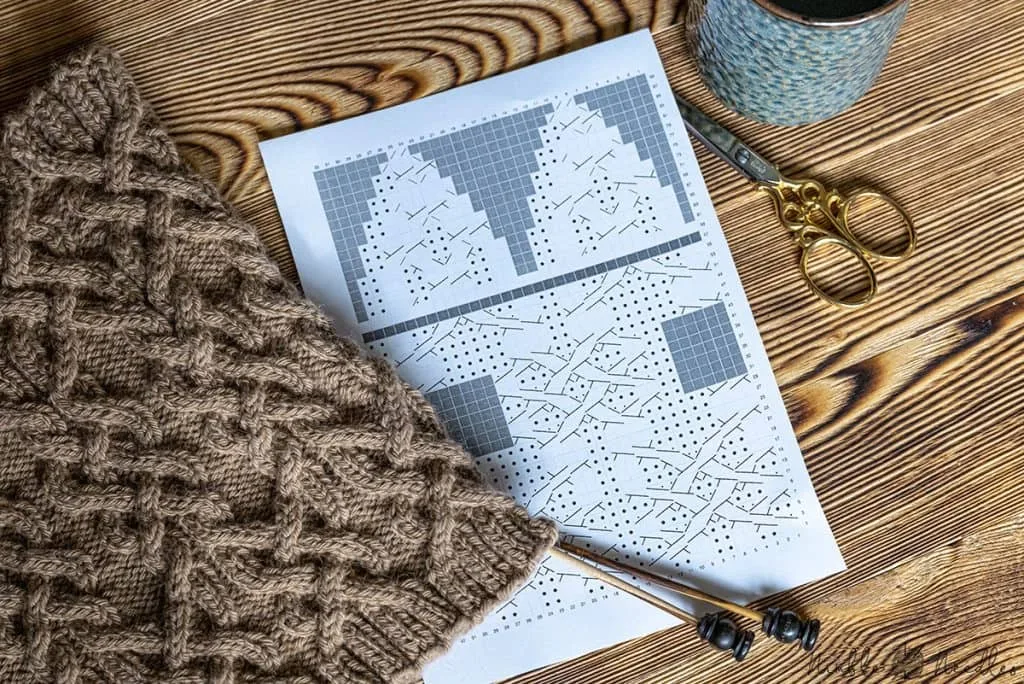
A couple years ago I was invited to do a presentation at the Knit Your Wardrobe summit.
I suggested to the organizers a controversial topic; Knitting a Sweater Without a Pattern.
I know.
It sounds crazy.
But it’s entirely possible.
The truth is you don’t really need a pattern to knit anything.
In fact using a written pattern to make a project is a pretty modern development.
Today I want to talk about why knitting WITHOUT a pattern can open up a world of creativity for you.
Written Patterns Are Relatively New
For thousands of years the art of knitting was primarily passed through word of mouth.
You would be taught how to knit certain items by your mother or grandmother, and you memorized those instructions.
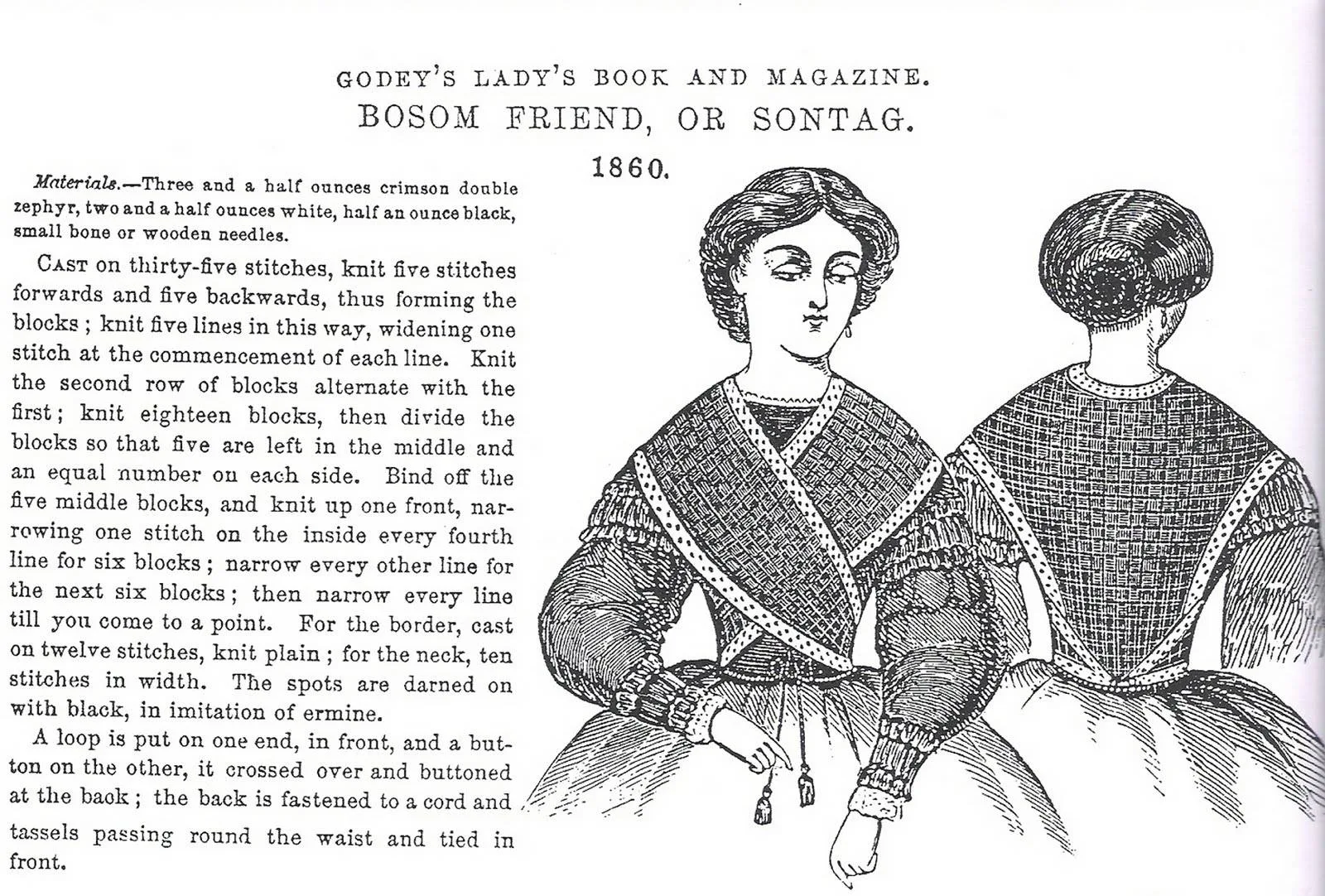
Written versions of knitting patterns really didn’t start getting published until the mid 1800s.
It wasn’t until WW1 that written patterns became more widespread, with standardization in terms and instructions.
But even then, knitting patterns remained relatively simple until the 1970s, when bold colors and synthetic yarns took over.
Today some patterns are like little books, with pages of instructions, schematics, and charts.
While clear instructions have helped more people knit complicated items, we’ve also lost the understanding of how knitting “works.”
So how does one knit their own projects without a pattern?
You Don’t Have to Become a “Designer”
Knitting without a pattern is something pattern designers do all the time. But how?
Designers have an understanding of three important things:
- They understand how to use swatches of fabric to get the look they want.
- They understand the garment shapes needed to construct an item of clothing.
- They understand how to manipulate the yarn into the shape they need to make.
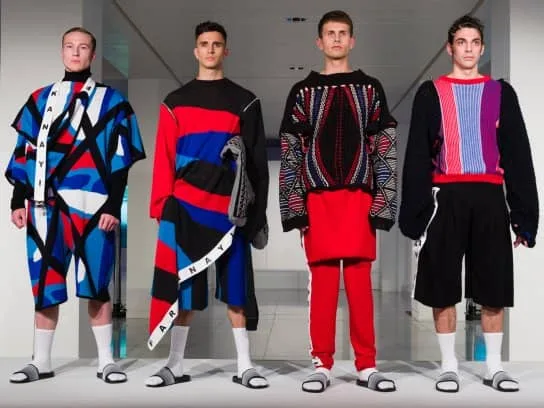
Fashion designers mostly take pre-knit fabric, cut it and then sew it to create a garment.
We hand knitters work with the yarn more intimately.
We shape the fabric as we knit, sometimes sewing everything together at the end.
But we often do this while blindly following a pattern.
We don’t always think about what we’re knitting as making fabric.
And when you start to understand that you can make that fabric do whatever you want, many possibilities open up.
Knitting Inside the Box
Think of the shape of a beanie.
It’s basically a rectangle with a half circle on top.
If we were to outline that shape we have the form of the beanie.
Think of it like a blueprint for constructing a hat.
Once we understand what the shape needs to be, or even how to construct that shape, we can started to color inside the lines.
You can play with the texture, change up the ribbing, or even do something different with the crown shaping.
We can even do all kinds of thing with colorwork.
The key is to learn what those shapes and forms are for different types of projects.
So how do you do that?
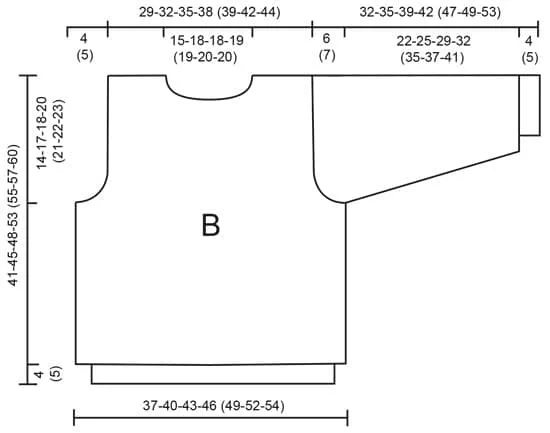
Finding the Knitting Blueprints
There are dozens of books, blogs, and videos that can teach you the basic blueprints of knitting.
In fact I’m hosting an event on this very topic in a couple of weeks.
I’ll show you how to use a gauge swatch to make your own sweater without a pattern.
This event is not for absolute beginners, but the concept translates to other project types once you understand the basics.
But here are a few more resources to check out that will help learn how to make those classic knitting shapes:
Shawl Design for Everybody by Julia Riede
A website with construction formulas for 20+ different shawl shapes.
Custom Socks: Knit to Fit Your Feet by Kate Atherly
This book will teach you the ins and outs of sock construction, along with how to make customizations for a better fit.
10,000 Knitted Hats by Jo Alport
This interactive book will help you mix and match different hat elements to come up with something unique.
The Knitters Handy Book of Sweater Patterns by Ann Budd
I’ve recommended this before, but it’s a great place to start if you want to learn sweater construction methods.
Conclusion
So there you have it.
These are some great resources to help you to start knitting all kinds of projects WITHOUT the use of a pattern.
How did it go?
Some links in this article are affiliate links, and as an Amazon Associate we earn from qualifying purchases. Buying through them supports The Yarnist at no extra cost to you.