Not yet published: imported
History ·
This English clergyman invented a new way of knitting
William Lee invented the stocking frame to mimic hand knitting, and this is how it fared with Queen Elizabeth I, in France and after his death.

Previously we talked about the role men played in the history of knitting.
We’re continuing that exploration with an invention that changed the knitting world.
But before we get to that we need to talk about stockings.
You see back in the early 1500s knit stockings were all the rage.
The short pants which were fashionable for men at the time made wearing stockings a necessity.
Britons were knitting 10 million pairs a year, most of which were exported to other European countries.
Like many inventors, a clergyman from Nottinghamshire looked at how slow hand knitting was and thought “there has to be a better way!”
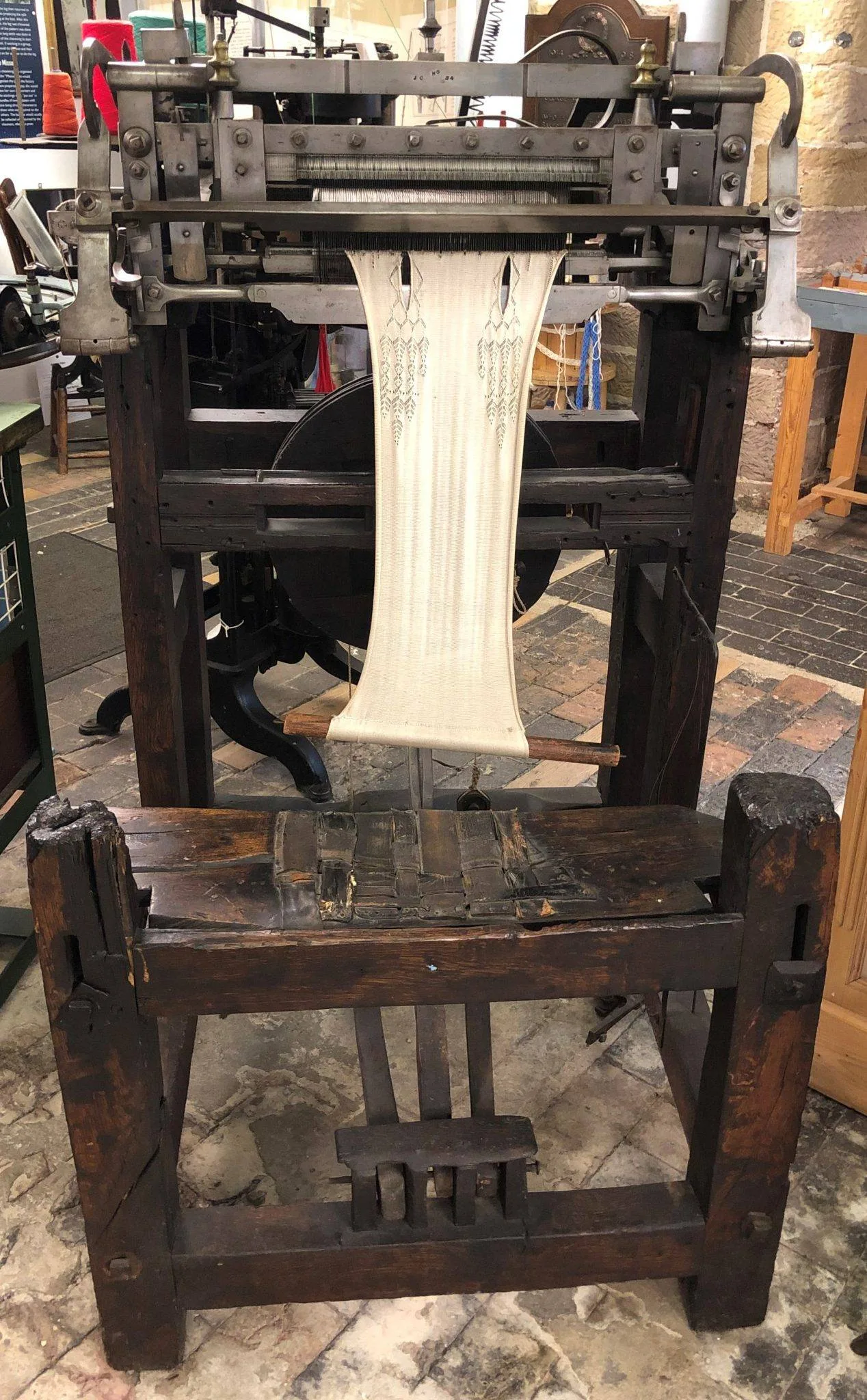
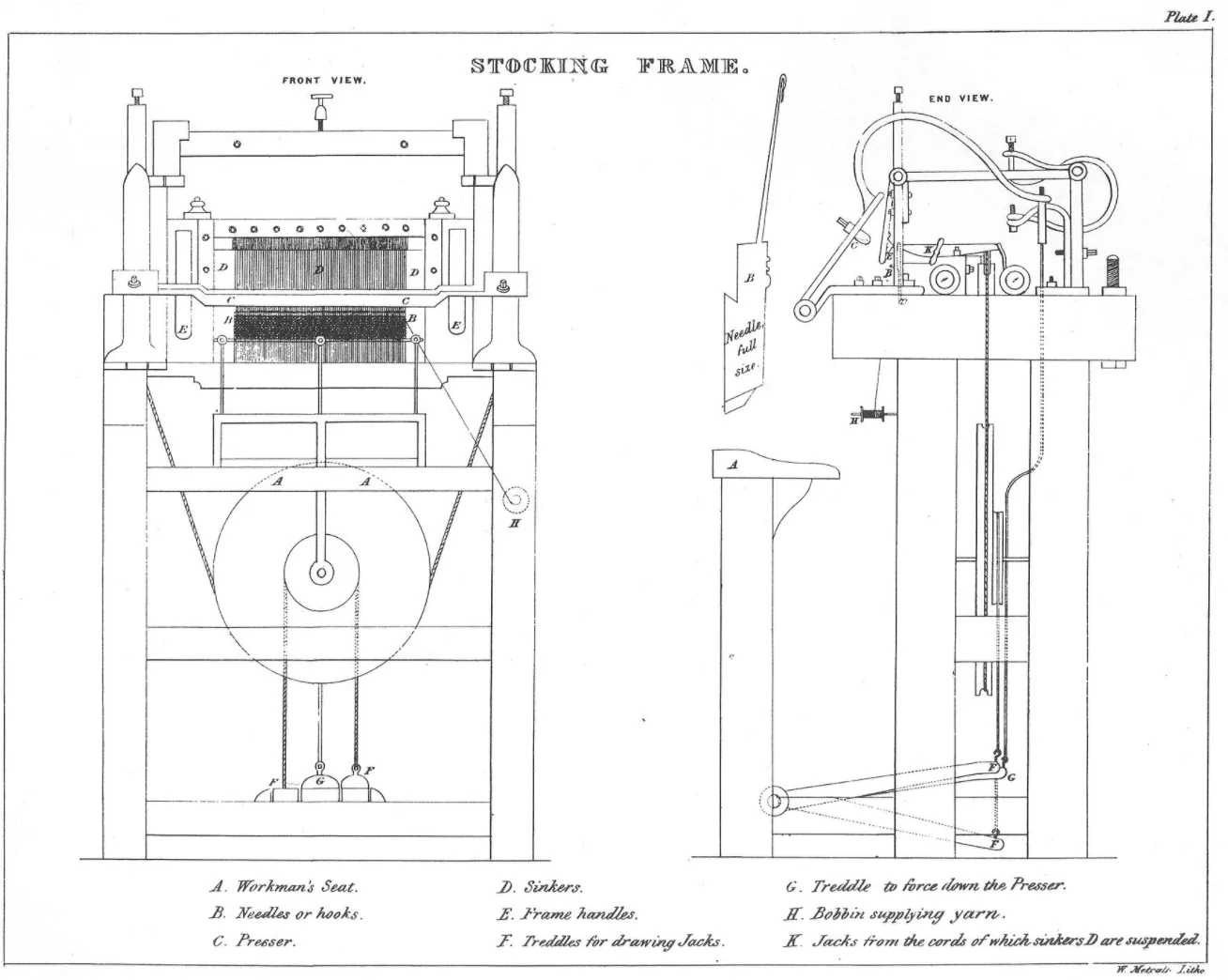
The Stocking Frame
William Lee invented the stocking frame to mimic the motions of hand knitters.
The process became known as frameknitting and is considered the first major stage in the mechanization of the textile industry.
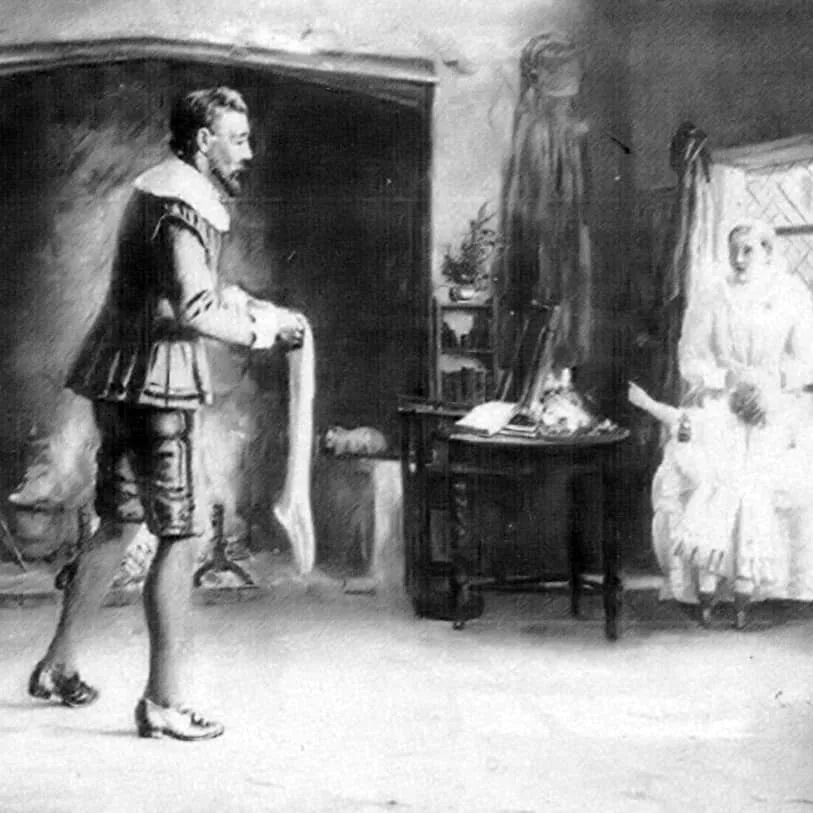
He presented his machine to Queen Elizabeth I along with a gift of stockings made from the machine.
The stockings were of a coarse fabric due to the relatively low stitch count per inch the device produced.
The queen denied his request for a patent.
When Lee improved his machine to knit finer goods made of silk he was again denied a patent.
Her majesty said: “Thou aimest high, Master Lee. Consider thou what the invention could do to my poor subjects. It would assuredly bring to them ruin by depriving them of employment, thus making them beggars.”
Failure in France
Lee was able to catch a break when he moved to France with his brother, James, 9 workers, and 9 knitting frames.
The king, Henry IV, granted a patent for the knitting frame and Lee began producing stockings in earnest.
He had just signed a contract to sell his machines and knitted goods throughout France when the king was assassinated in 1610.
With a country thrown into chaos the business and manufacturing climate abruptly changed.
Lee was not able to find buyers and ended up dying in 1614, never seeing the impact his invention would have on the world.
The slow march toward modern machine knitting
After Lee’s death his apprentice, John Aston, continued working on the machine.
He created multiple improvements which helped the device to spread across England, Europe, and even America.
However, it had failed to supplant hand knitting as the primary production method.
The machine was limited in what it could do, so many items were still made by production knitters.
It would be more than 120 years before a man named Jedidah Strutt would perfect William Lee’s creation.
But we’ll dive into that story in a separate piece…