Not yet published: imported
Yarn ·
Searching for the PERFECT sweater yarn [1 of 5]
Yarn weight decides how warm, drapey and fast a sweater will be, so this first of five parts helps you pick a weight for sweater yarn.
As you can probably guess, there is no PERFECT sweater yarn.
Which yarn you make your sweater with is going to depend on a few different factors:
- What weather will it be worn in?
- Does the recipient have any fiber sensitivity?
- Does it need to be machine washable?
- How much does it cost?
- Does it come in a color I like?
In this article we’re going to be brand agnostic for the most part. It’s better for you to figure out the TYPE of yarn that meets your needs and then find a brand that makes it. You can easily search for yarns by fiber type and weight on sites like Ravelry.
What is Yarn Weight?
The weight of a yarn is determined by it’s thickness.
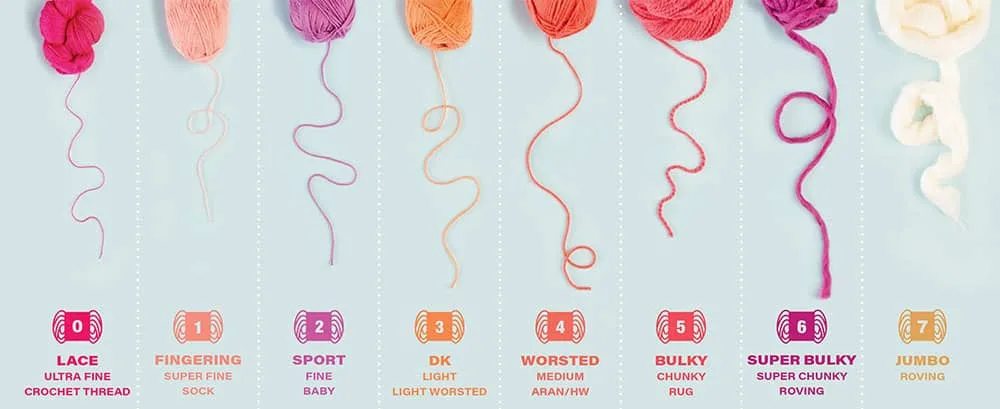
The Craft Yarn Council has a numbering system outlining 8 different yarn weight categories. These range from 0 - 7 with the smallest number matching the lightest (thinnest) weight yarn and the largest number matching the heaviest (thickest) weight yarn.
You’ve probably seen yarn at a big box craft store that has one of these numbers on the label. This system makes it easy to find yarns with a similar size, even if their fiber content is different.
However, this standard has not been adopted across the entire industry, so you will not find it used on most yarns sold at your local yarn store or online.
Furthermore, this standard does not account for handspun yarns (which are measured by wraps per inch - WPI) or international yarn weights.
Luckily Ravelry has an easy to read chart that shows the different yarn weight systems and how they line up.
So why is yarn weight important?
The thickness of your yarn will determine a few different things about your sweater:
- How warm your sweater will be?
- What the drape of your fabric will be?
- How quickly you can finish making your sweater?
The first two will also be affected by the fiber type of your yarn, but the speed at which you finish your sweater is heavily influenced by the yarn weight.
The thicker or more bulky the yarn you’re working with, the faster your project will go. This is because you have to work less stitches to create your fabric when the yarn is thick.
Fewer stitches = finished faster
BUT…
While a sweater made in a bulky yarn might work up very fast, the heavier yarn weight will also make it warmer. Thick, bulky yarns also tend not to have great drape, so the finished sweater may be less comfortable to wear.
On the reverse side, a light weight yarn will create a sweater that is wearable in more situations, with a lovely drape, but it might take forever to finish.
What yarn weight should I choose?
If you look at the sweaters in your closet or drawer, you’ll notice that most are made with a medium weight yarn. These sweaters would correlate with yarns in the DK, Worsted, or Aran weight categories (CYC 3 or 4). Yarns in this weight range have a gauge between 16 - 24 sts per 4 inches (knit).
Some higher end sweaters, like those made with cashmere or fine merino, have a thin, light weight fabric. These sweaters would correlate with yarns in the Lace, Sock, and Fingering weight categories (CYC 1 or 2). Yarns in this weight range have a gauge between 23 - 32 sts per 4 inches (knit).
Conclusion
If you’re making a sweater that you don’t want to take forever and needs to be wearable in mild to cold temperatures, go with dk or worsted weight.
If you’re making a sweater that needs to be wearable in warm climates OR you want that super sleek luxurious drape and you don’t mind it taking a little longer, try a fingering or sock weight yarn.
We cover how fiber type affects your sweater in a separate piece.